Seattle to North Cascades: Day Trip or Overnight?
Last updated: June 2026
A North Cascades day trip from Seattle works best if you focus on the west side: Newhalem, short stops, waterfalls, and Diablo Lake. If your goal is Washington Pass, Maple Pass, Blue Lake, Cutthroat, Winthrop, Mazama, or the full Highway 20 drive, plan on staying overnight if you can.
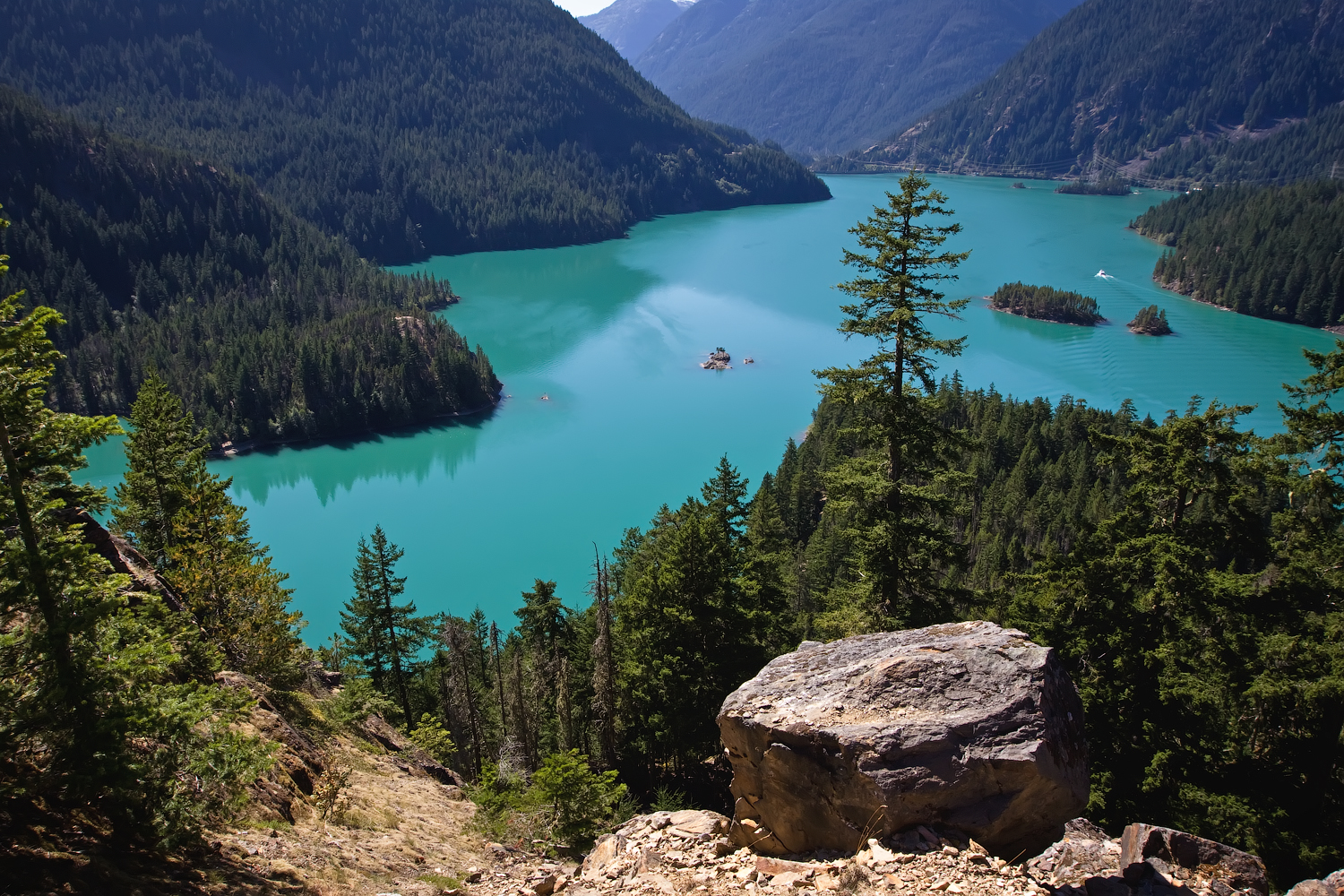
Diablo Lake overlook view along Highway 20 - Steven Pavlov | CC BY-SA 4.0
Want the current road, smoke, and weekend planning notes before you drive? Get North Cascades trip updates by email.
Quick Decision Guide
Best one-day plan: Drive from Seattle to the west side of the corridor. Aim for Newhalem, Gorge Creek Falls, Diablo Lake Overlook, and one or two short walks. This gives you the best payoff without forcing the whole Highway 20 corridor into one day.
Best overnight plan: Stay west of Diablo if tomorrow starts near Newhalem, Ross Dam, Cascade River Road, or Cascade Pass. Stay east of Washington Pass if tomorrow starts near Rainy Pass, Maple Pass, Blue Lake, Cutthroat, Mazama, or Winthrop.
Best family plan: Keep the trip west of Diablo unless your group is used to long driving days. Newhalem and Diablo Lake are easier to manage than a full push to Washington Pass and back.
Best poor-weather plan: Use the west side. Forest stops, waterfalls, services in Concrete or Marblemount, and shorter scenic stops are easier to adjust than high-pass hikes.
Best plan if SR-20 is closed or uncertain: Do not build the day around Washington Pass or the full through-drive. Check the road first, then use a west-side plan or choose a different base.
What This Trip Really Means
People use “North Cascades from Seattle” to mean several different trips. That is why the advice can get confusing.
West-side corridor: This is the most practical day-trip version. It includes Concrete, Rockport, Marblemount, Newhalem, Gorge Creek Falls, Diablo Lake Overlook, and nearby short stops along SR-20.
High-pass corridor: This is the longer mountain version. It includes Rainy Pass, Washington Pass, Maple Pass, Blue Lake, Cutthroat, and the larch-zone trailheads east of Diablo.
Methow Valley: This is the east-side trip. It includes Mazama, Winthrop, Twisp, Pearrygin Lake, Sun Mountain, Nordic skiing, and Washington Pass access from the east.
Cascade Loop: This is a bigger road trip. It is not the same as a simple Seattle out-and-back to Diablo Lake.
Baker Lake: This is a separate west-side lake and camping area. It can be a good backup from the Concrete side, but it is not the same drive as the main North Cascades Highway corridor.
Common mistake: Do not choose Winthrop or Mazama because they look “near North Cascades” on a map. They are great bases for Washington Pass and Methow trips, but they are not convenient if your first stop is Diablo Lake, Newhalem, or Cascade River Road.
Best Day Trip Version
The best Seattle day trip is usually the west-side scenic version. Start on SR-20, pass through Concrete and Marblemount, then focus on Newhalem, Gorge Creek Falls, and Diablo Lake.
Why this works: You get the classic Highway 20 feel without making Washington Pass the goal. The park road segment itself takes time, and every stop adds more time to the day.
Good day-trip stops include:
- Concrete: Best for a more complete service stop before the corridor gets remote.
- Rockport: Best for Skagit River access, winter eagle trips, and a quieter west-side stop.
- Marblemount: Best for last west-side staging before Newhalem, Diablo, and Cascade River Road.
- Newhalem: Best for a low-stress reset point, visitor facilities, and short walks.
- Gorge Creek Falls: Best for a quick waterfall stop east of Newhalem.
- Diablo Lake Overlook: Best for the classic blue-lake view without a long hike.
What I would do: If I only had one day from Seattle, I would make Diablo Lake the payoff. I would not try to force Washington Pass unless daylight was long, SR-20 was fully open, and everyone in the car wanted a drive-heavy day.
Use this version if your group includes kids, older visitors, non-hikers, first-time visitors, or anyone who wants the trip to feel scenic but manageable.
When To Stay Overnight
Stay overnight if your trip depends on being far up the corridor early in the morning. This matters most for trailheads, high-pass stops, and east-side goals.
Stay overnight for:
- Cascade River Road or Cascade Pass: Stay near Marblemount because the turnoff is on the west side before Newhalem.
- Ross Dam or Diablo-area hikes: Stay west side because you want to start near Newhalem, Diablo, or Ross Lake access.
- Rainy Pass or Maple Pass: Stay east side or plan a very early west-side start.
- Blue Lake or Cutthroat: Stay near Mazama or Winthrop because these are east-side Highway 20 goals.
- Washington Pass: Stay east side if this is your first major stop the next morning.
- Winthrop, Mazama, or Twisp: Treat this as a Methow Valley trip, not a casual Diablo Lake day trip.
This is where people misjudge the corridor: The road is not just a line between Seattle and a single park entrance. Your best base depends on which side of the mountains you need to wake up on.
An overnight also helps when the group is slower, the weather is uncertain, or you want a backup plan. It turns the trip from “drive all day” into an actual mountain visit.
Choose Your Base
Stay in Marblemount if your first real stop is Cascade River Road, Cascade Pass, Newhalem, Diablo Lake, or Ross Dam. Marblemount is not a resort town. It is useful because it puts you close to the west-side access points.
Stay in Concrete if you want more services before heading east on SR-20. Concrete is farther west than Marblemount, but it has a more complete town feel and can be easier for families, supplies, and fallback plans.
Stay in Rockport if your trip is quieter, river-focused, or built around the Skagit River side. It is less service-heavy than Concrete, but it can work well for a low-key west-side base.
Stay in Winthrop if you want the easiest east-side base with more food, lodging, shops, and services. It is best for Washington Pass, Rainy Pass, Maple Pass, Blue Lake, Cutthroat, and Methow Valley trips.
Stay in Mazama if your trip is outdoor-first and you want to be closer to Washington Pass and the upper Methow. It has less town infrastructure than Winthrop, but the location is better for early starts west toward the pass.
Stay in Twisp if you want more regular services, a quieter base, or a longer Methow stay. It is not as close to Washington Pass as Mazama, but it can be easier for groceries, errands, and self-catering trips.
Local planning note: If your first morning goal is west of Diablo, do not sleep in Winthrop. If your first morning goal is east of Rainy Pass, do not sleep in Marblemount unless you are ready for a very early drive.
Plan A / Plan B
Plan A: One day from Seattle. Use this when SR-20 is open far enough for your west-side goals and your group wants a scenic drive without a major hike. Aim for Newhalem, Gorge Creek Falls, Diablo Lake Overlook, and one short walk.
Plan B: Stay west side. Use this when you want an early start near Diablo, Ross Dam, Newhalem, Cascade River Road, or Cascade Pass. Choose Marblemount for the closest west-side staging, or Concrete if services matter more than proximity.
Plan B: Stay east side. Use this when your goal is Washington Pass, Maple Pass, Blue Lake, Cutthroat, larches, or Methow Valley. Choose Mazama for the closest outdoor-first base, or Winthrop if your group wants more food and lodging options.
Plan B: Shorten the day. Use this if you leave Seattle too late, weather worsens, smoke builds, or the group gets tired. Turn Diablo Lake or Newhalem into the payoff instead of pushing farther east.
Seasonal Reality
Spring: The west side can be useful for waterfalls, forest stops, and lower-elevation travel. High-country trails may still be snow-covered. Do not assume an open road means alpine hikes are ready.
Summer: This is the easiest season for a Seattle day trip or overnight Highway 20 trip. Long daylight helps, but parking, lodging, and campground pressure are higher.
Fall: Early fall can be excellent, especially for larches and east-side high-country trips. The tradeoff is shorter daylight, possible smoke, and a higher chance of cold or early snow at elevation.
Winter: Do not plan a normal through-drive across SR-20. Winter trips usually become west-side lowland trips, Skagit River eagle-season trips, or separate Methow Valley trips reached from the east.
For road and seasonal timing, check the Seasonal Access Guide before planning a long drive from Seattle.
Before You Drive
Check the things that can change the whole trip before you leave Seattle.
- SR-20 road status: Confirm that the section you need is open before you commit to a high-pass or through-drive plan.
- Trail and road conditions: Check this before planning Cascade River Road, high-pass trails, or any early-season hike.
- Smoke and weather: Late summer and early fall plans can change quickly.
- Food and fuel: Do this before the corridor gets remote. Concrete, Rockport, and Marblemount are the west-side planning towns before Newhalem and Diablo.
- Offline maps: Save maps, lodging details, and reservation information before you lose reliable service.
- Bathrooms: Plan a real stop before pushing east of Marblemount or Newhalem, especially with kids or older travelers.
- Passes and fees: The park complex has no entrance fee, but nearby trailheads on national forest land may require a parking pass.
Use Food, Fuel, and Services Near North Cascades if your plan depends on finding food, gas, or supplies along the way.
If The Plan Breaks
If SR-20 is closed: Do not force a full Highway 20 plan. Shift to a west-side trip, check what is open near Newhalem and Diablo, or use Concrete, Rockport, or Baker Lake as backup areas if they fit your route.
If smoke is bad: Check both sides of the mountains before canceling the whole idea. Sometimes the better plan is a lower-effort scenic day, a town-and-services day, or saving the high-country trip for another weekend.
If rain is the issue: Stay lower. Use waterfalls, forest stops, Newhalem-area walks, food stops, and short viewpoints instead of forcing a high-elevation hike.
If parking is full: Do not let one trailhead ruin the trip. Switch to viewpoints, short walks, town stops, or a lower-pressure backup instead of circling a lot with no signal.
If the group is tired: Turn around earlier. A good shorter trip is better than a long drive home after everyone is done.
Frequently Asked Questions
Is North Cascades worth a day trip from Seattle?
Yes, if you choose the west-side version. Newhalem, Gorge Creek Falls, Diablo Lake, and short stops can make a good day. Washington Pass or the Methow Valley usually works better with an overnight stay.
Is Diablo Lake enough for a first trip?
Yes. Diablo Lake is a strong first-trip payoff because it gives you the classic Highway 20 view without needing a major hike or a full through-drive.
Is Washington Pass too far for one day?
It can be done in the right season, but it is not the best default day trip. It is much better with long daylight, an early start, and a group that wants a drive-heavy day.
Should I stay in Marblemount or Winthrop?
Stay in Marblemount for Diablo, Newhalem, Ross Dam, Cascade River Road, or Cascade Pass. Stay in Winthrop or Mazama for Washington Pass, Rainy Pass, Maple Pass, Blue Lake, Cutthroat, or the Methow Valley.
Can I do the Cascade Loop in one day?
You can physically drive a long loop when roads are open, but it is not a good default sightseeing plan. The Cascade Loop deserves more time if you want stops, food, short walks, or a relaxed drive.
Can I visit without hiking?
Yes. A no-hiking trip can still include Newhalem, Gorge Creek Falls, Diablo Lake Overlook, short walks, viewpoints, food stops, and low-effort scenic stops.
Can I visit without a car?
For most visitors, no. A car or guided tour is the realistic way to reach most Highway 20 stops, trailheads, viewpoints, and overnight bases.
Sources
- North Cascades Highway — official corridor highlights and basic SR-20 planning context.
- Road Conditions — official park road status and seasonal access notes.
- SR-20 Pass Report — current North Cascades Highway travel status.
- Fees and Passes — entrance fee and park fee information.
Related Guides
This guide is for practical trip planning, not live road or trail status. Conditions, closures, smoke, snow, services, and access can change quickly in the North Cascades. Always check current official sources before driving from Seattle.