Where to Stay Near North Cascades: Camping vs RV Parks vs Cabins
This guide helps with one decision that changes the whole North Cascades trip: should you book a cabin, stay in a campground or RV park, or choose a hotel or lodge?
The right answer is less about the prettiest place to sleep and more about what could make the trip harder. Weather, late arrival, campground availability, food setup, morning drive time, and how much comfort your group needs after a long day matter more than most visitors expect.
Quick answer
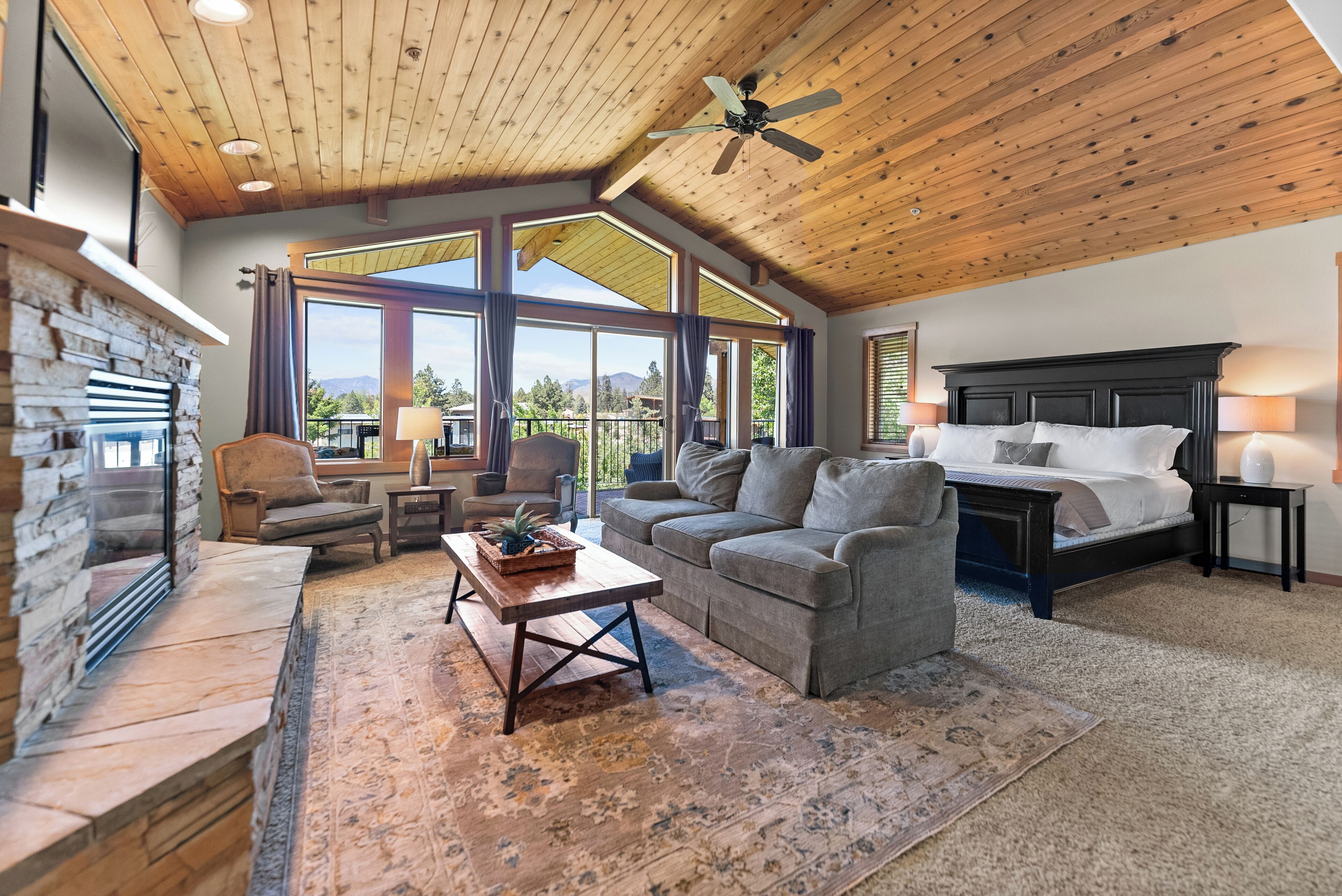
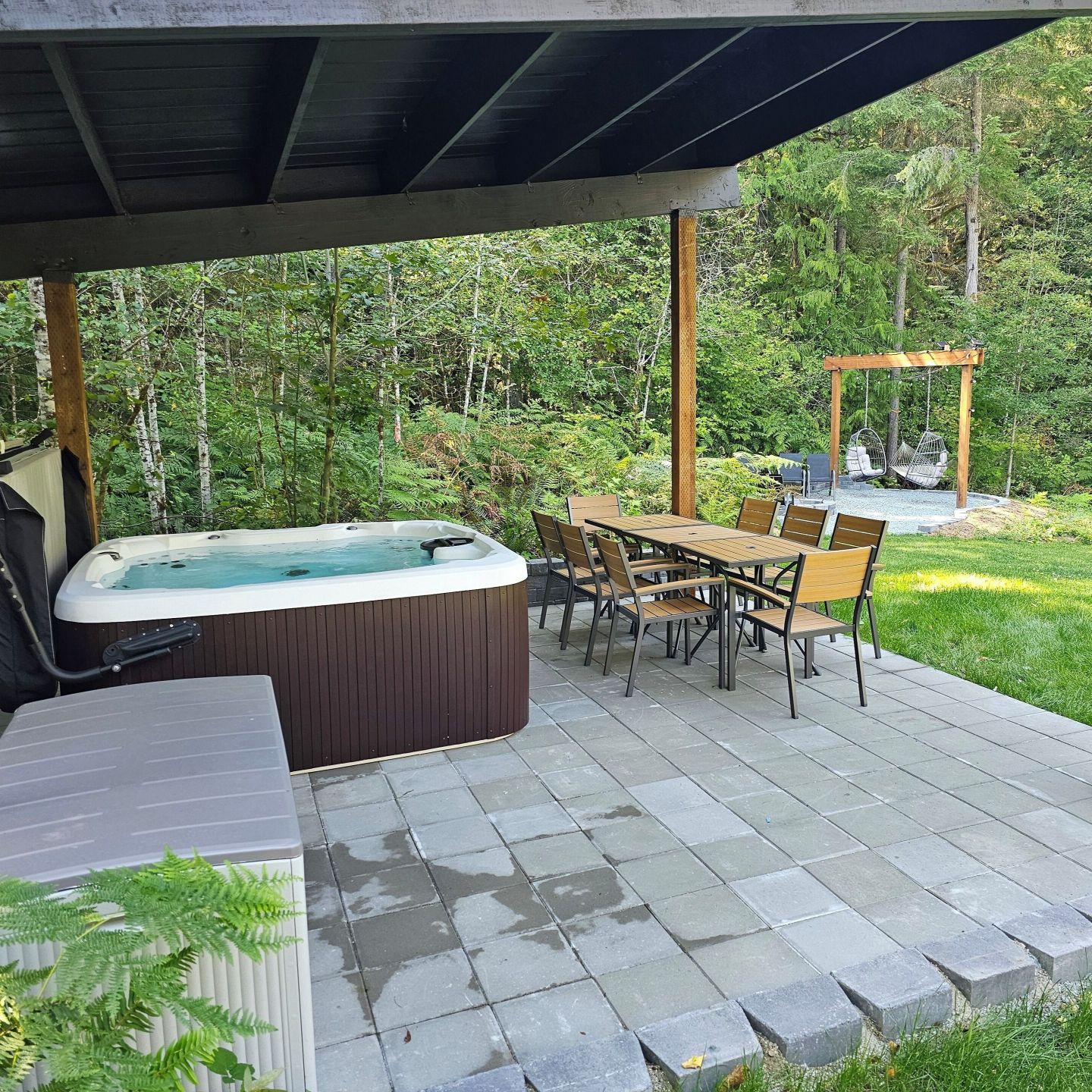
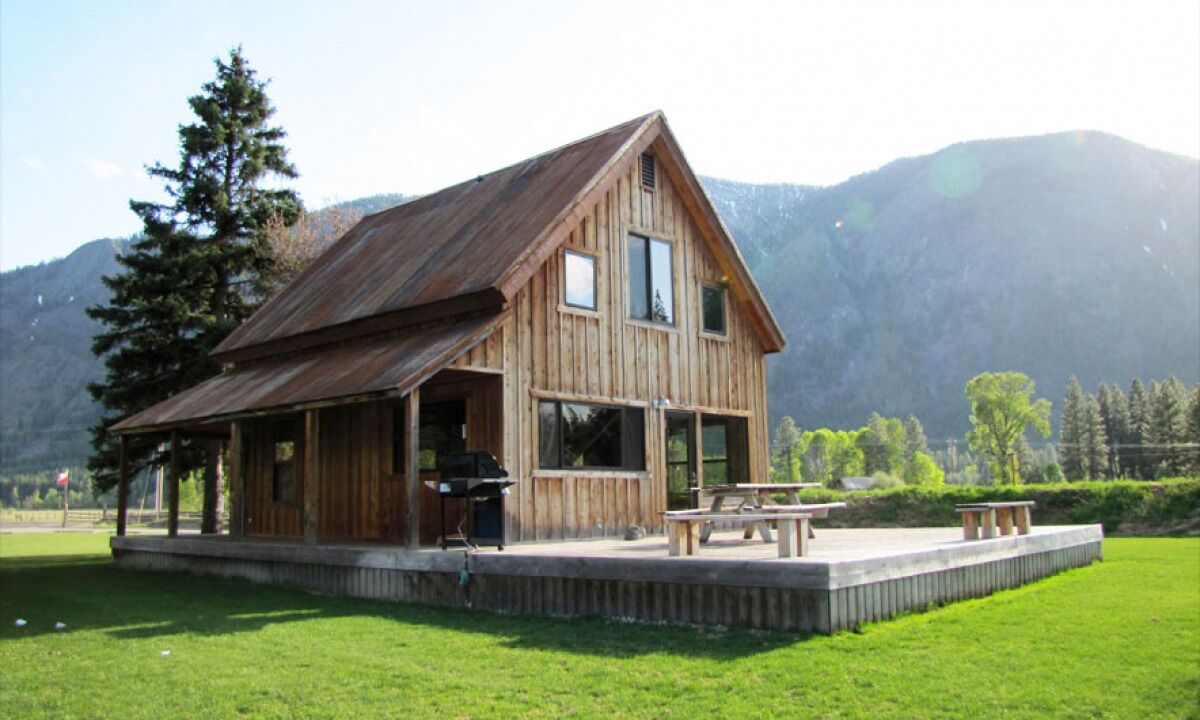
Choose a cabin or vacation rental if comfort, privacy, weather protection, easier meals, or family logistics matter more than the lowest possible price.
Choose a public campground if the trip is trail-first, budget-aware, and you are willing to plan around reservations, first-come-first-served uncertainty, food storage, and limited services.
Choose an RV park or private campground if you still want a camping-style trip but need more predictability, showers, hookups, easier arrival, or a fallback when public campgrounds are full.
Choose a hotel or lodge if you want the simplest arrival, the easiest morning departure, a bed, a shower, and the least setup.
Choose by the problem you are trying to avoid
- Arriving late after work: hotel, lodge, private campground, or cabin. Do not build a Friday-night plan around finding an uncertain public campsite after dark.
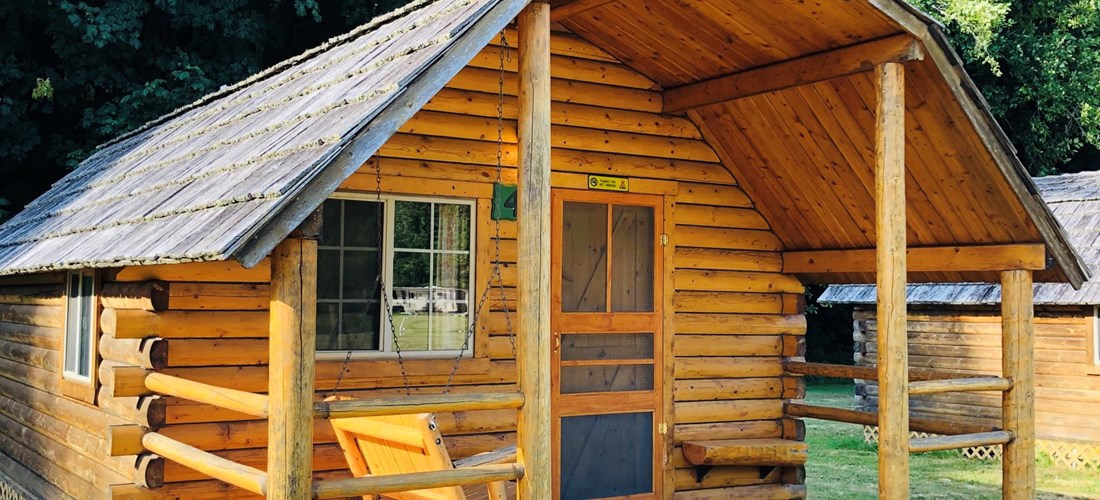
- Traveling with kids, pets, or mixed comfort levels: cabin, rental, KOA-style campground, or private campground. The stay itself needs to be part of the plan, not just a place to sleep.
- Trying to hike early: pick the base that shortens the morning drive. A cheaper stay can become a bad choice if it adds too much time before Cascade River Road, Newhalem, Diablo Lake, Rainy Pass, or Washington Pass.
- Camping in peak summer: treat reservations and backups as part of the trip. In the North Cascades, “we’ll figure it out when we get there” can fail quickly.
- Visiting in shoulder season: cabins, hotels, and RV parks usually hold up better than basic tent camping when evenings are cold, wet, or dark.
- Trying to save money: campgrounds can help, but only if you already have a realistic site, the right gear, and a plan for food, fuel, water, and weather.
Best fit by stay type
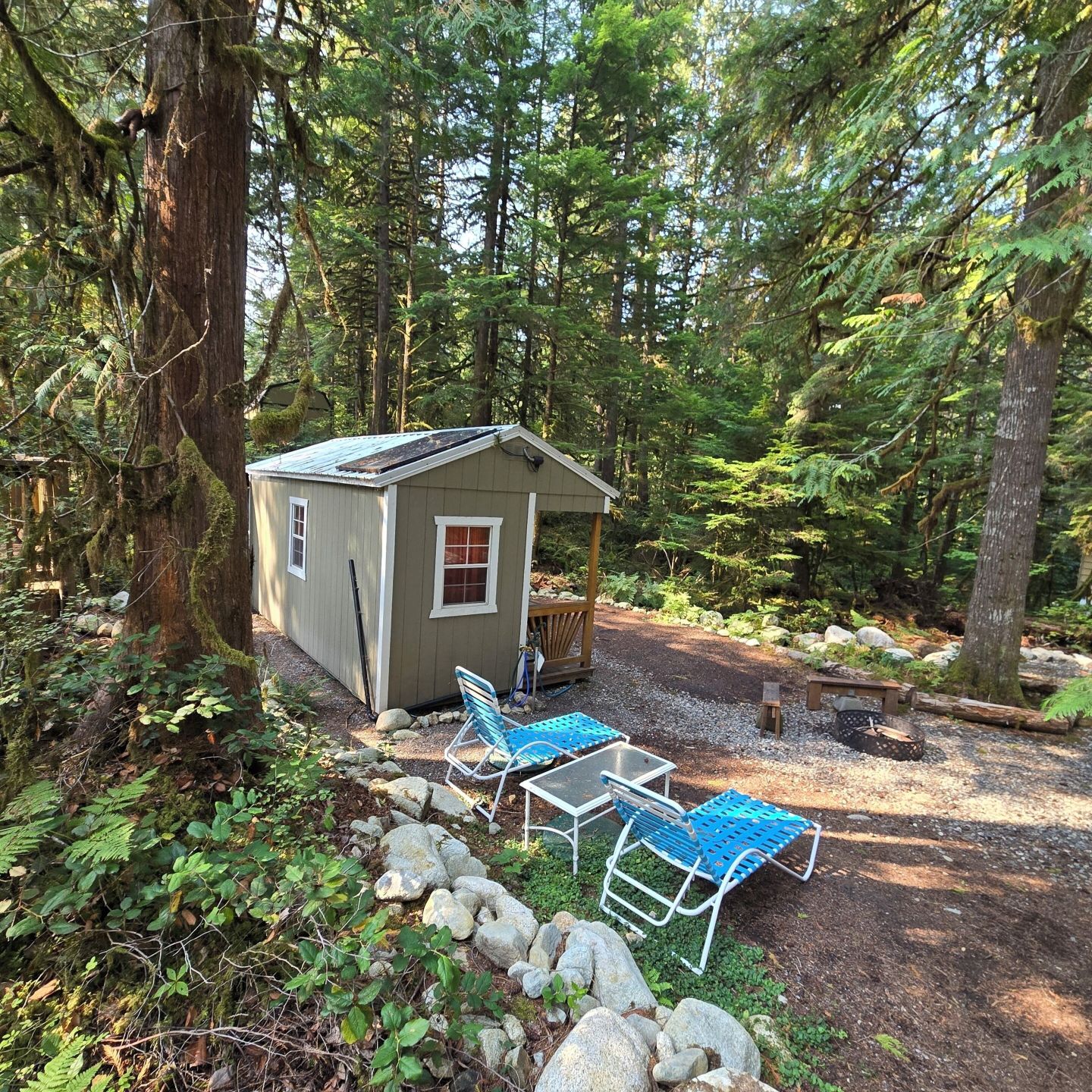
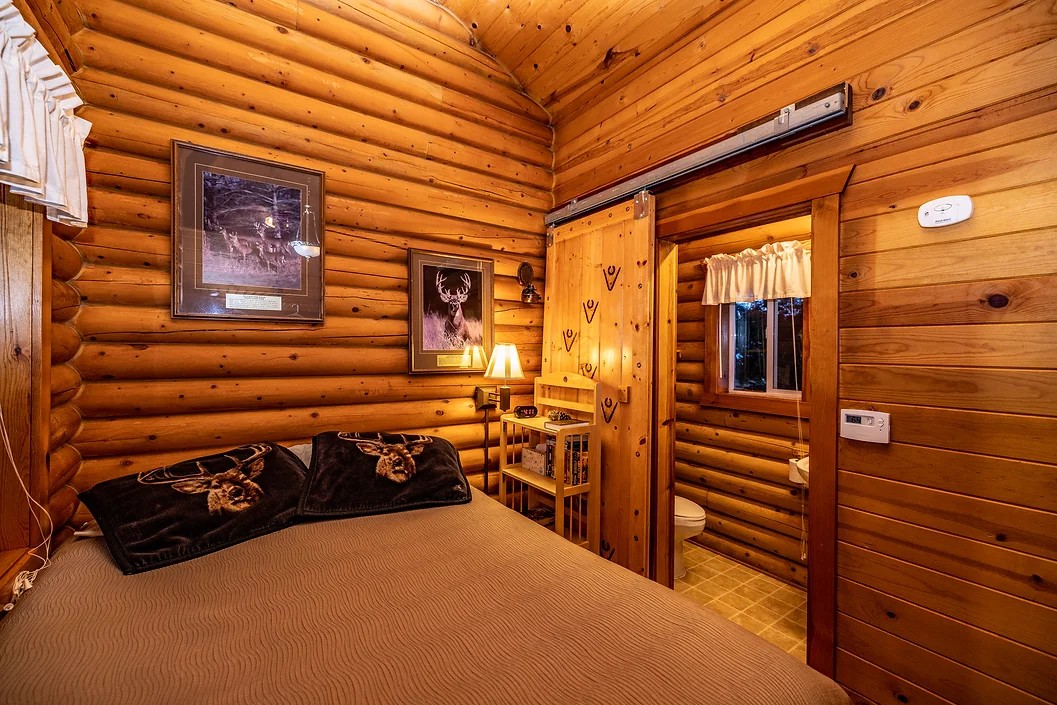
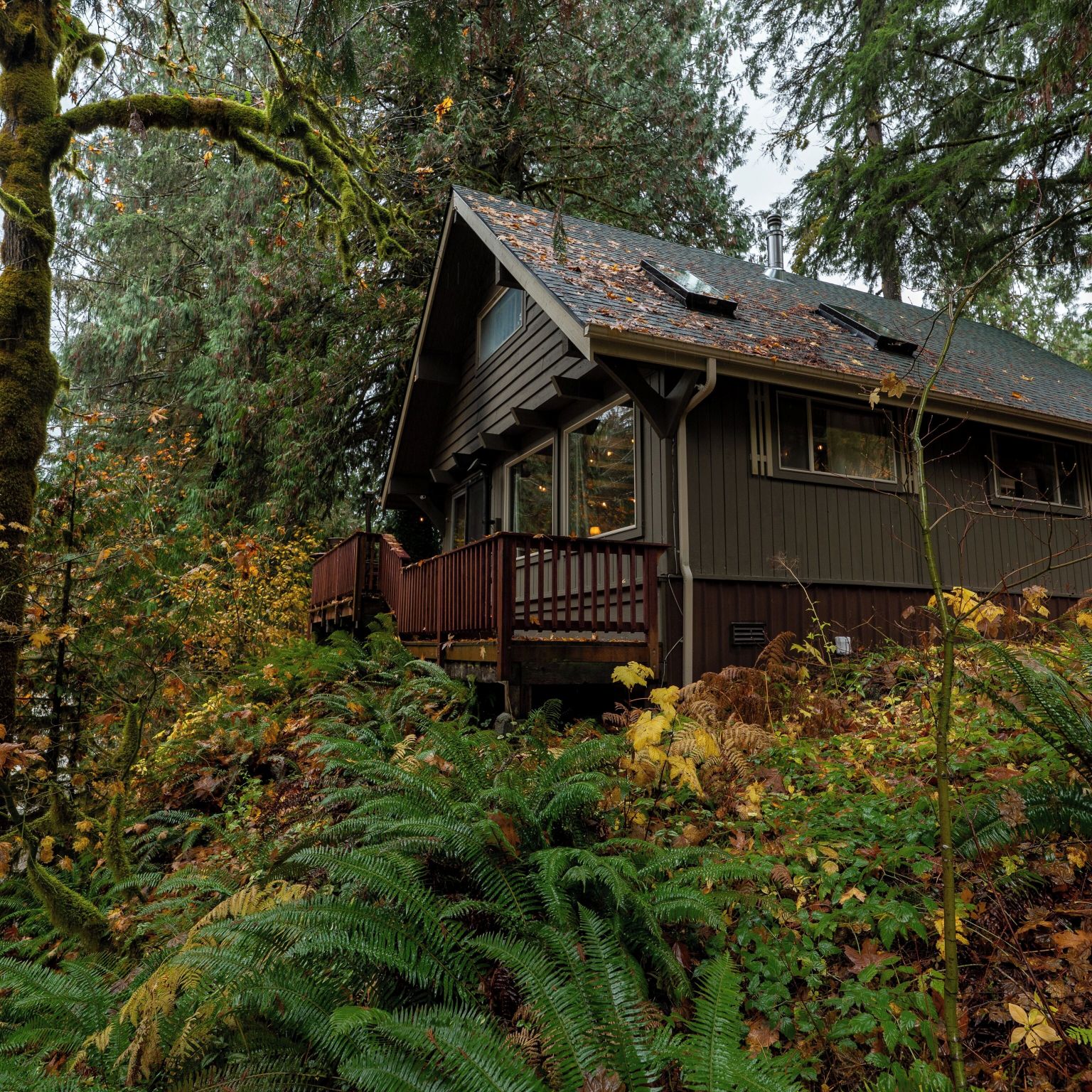
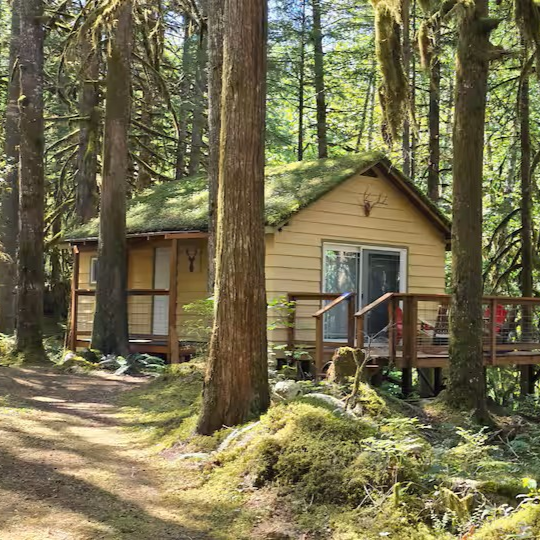
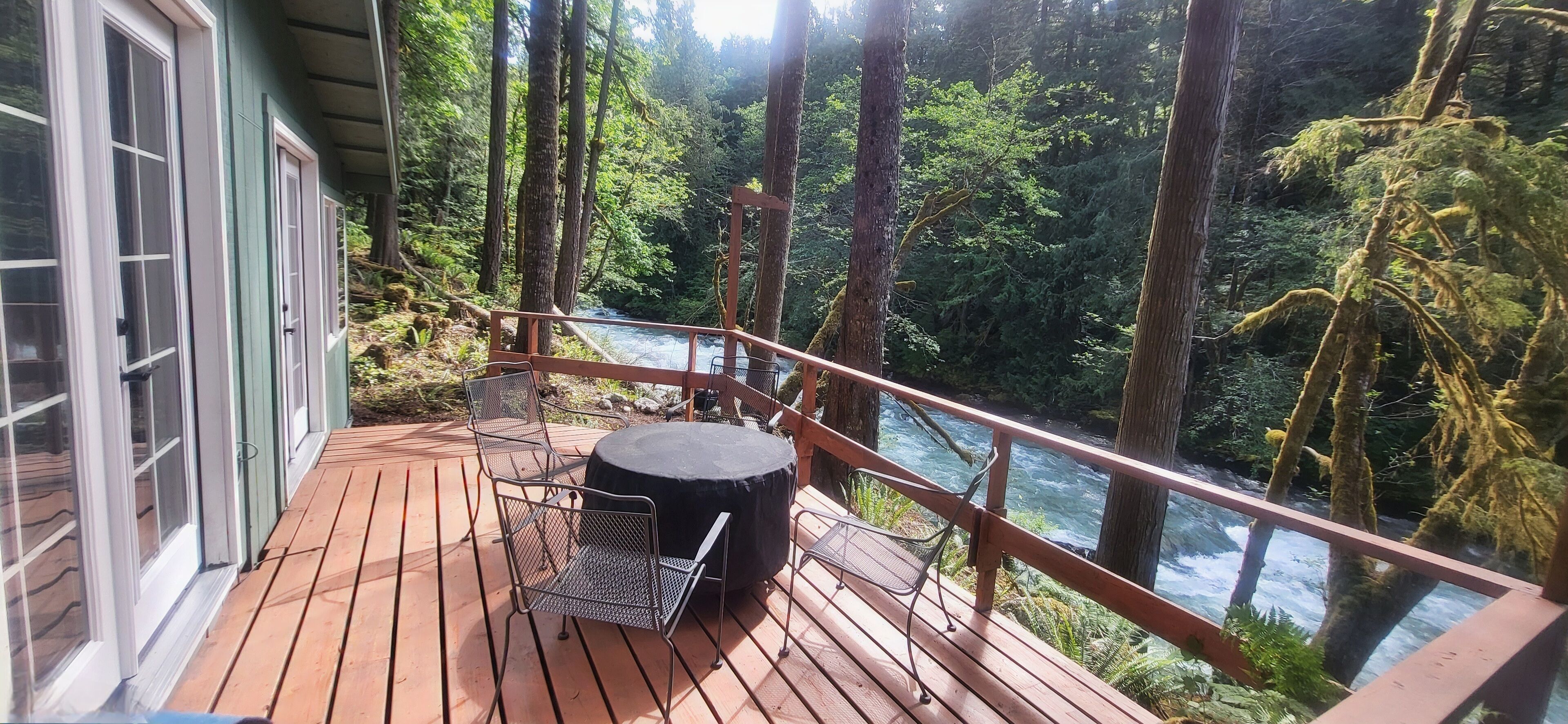
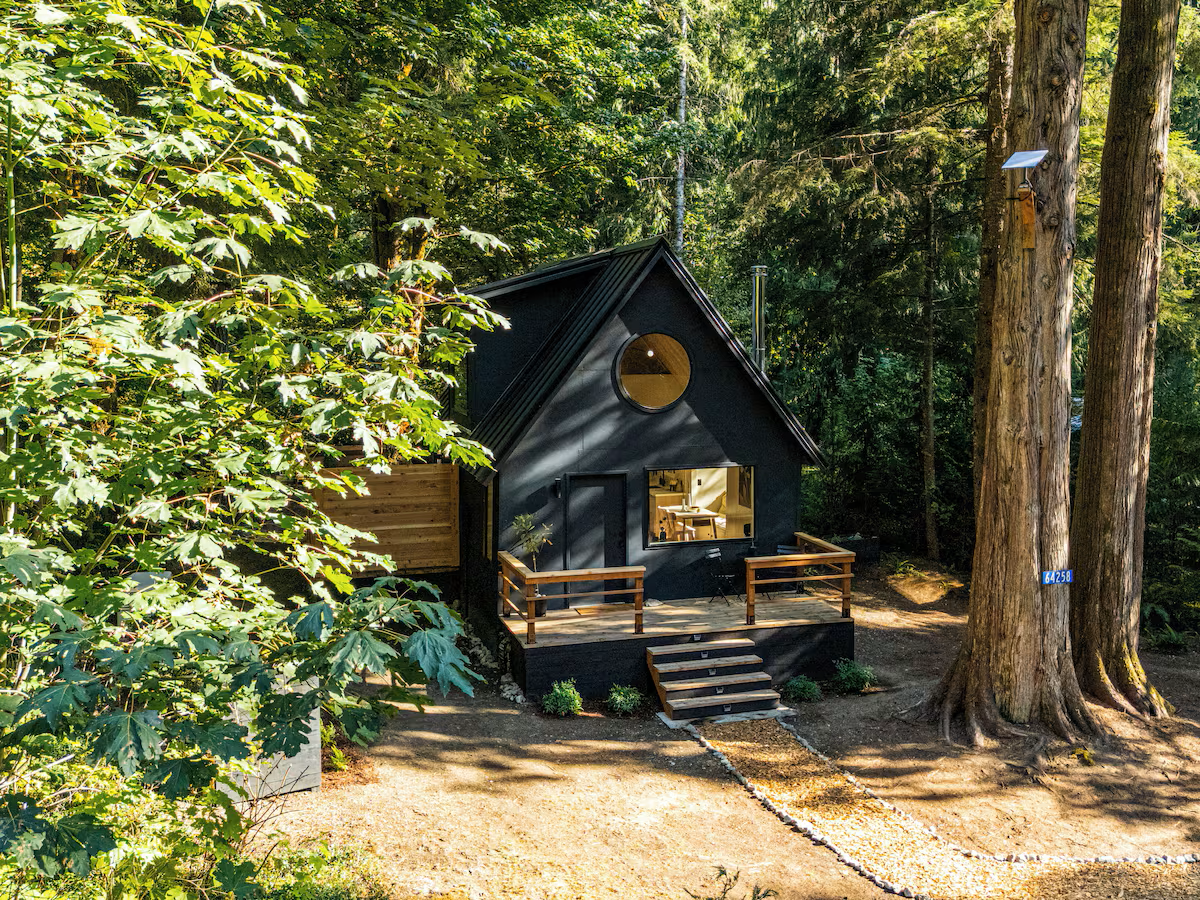
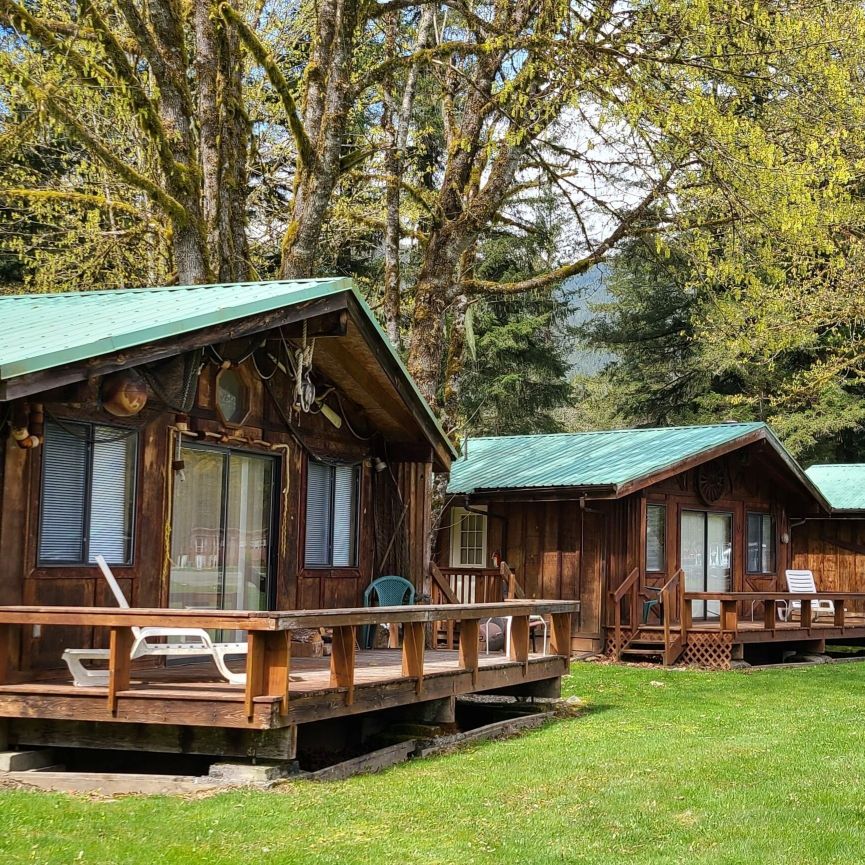
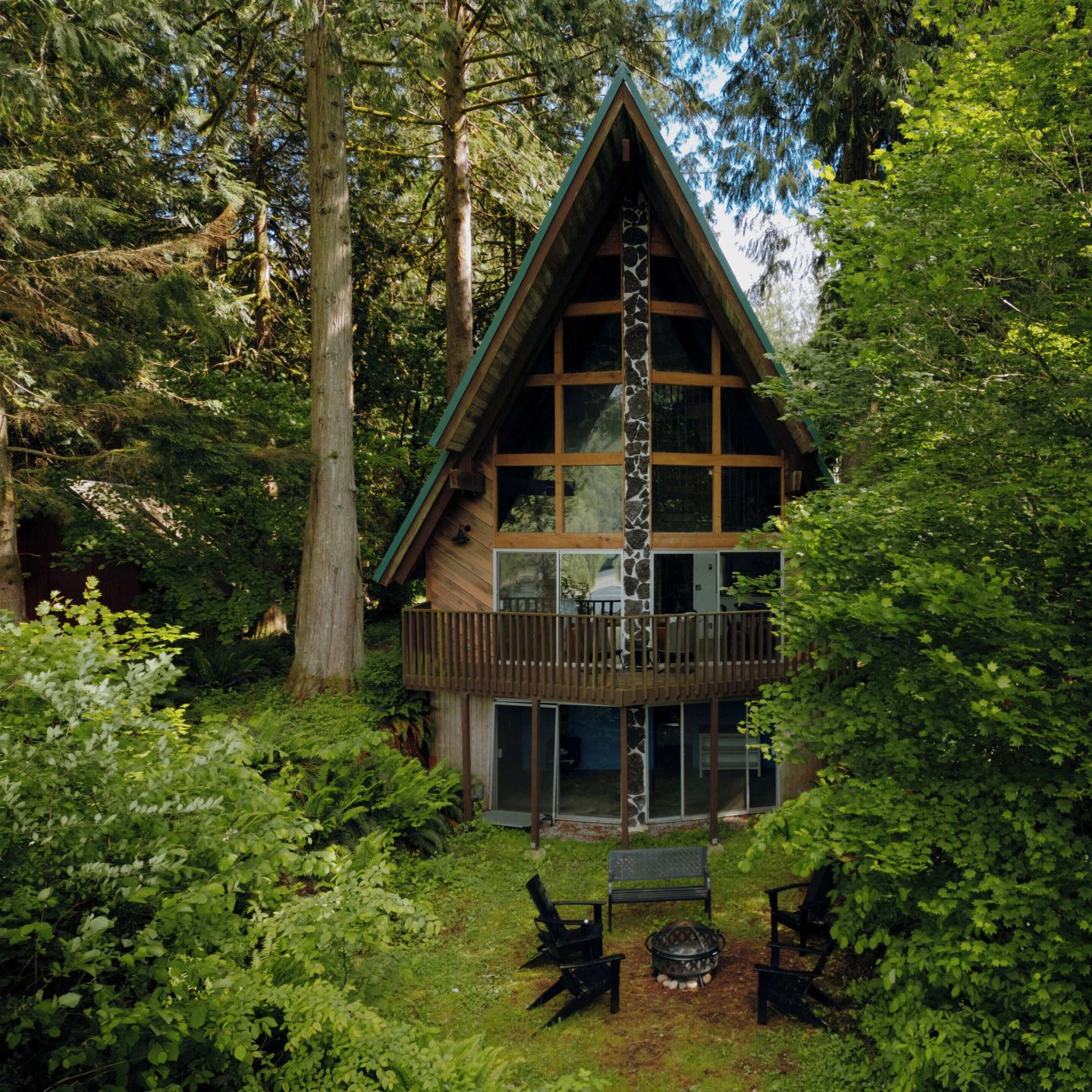
Cabins and vacation rentals: best for comfort, privacy, and bad weather
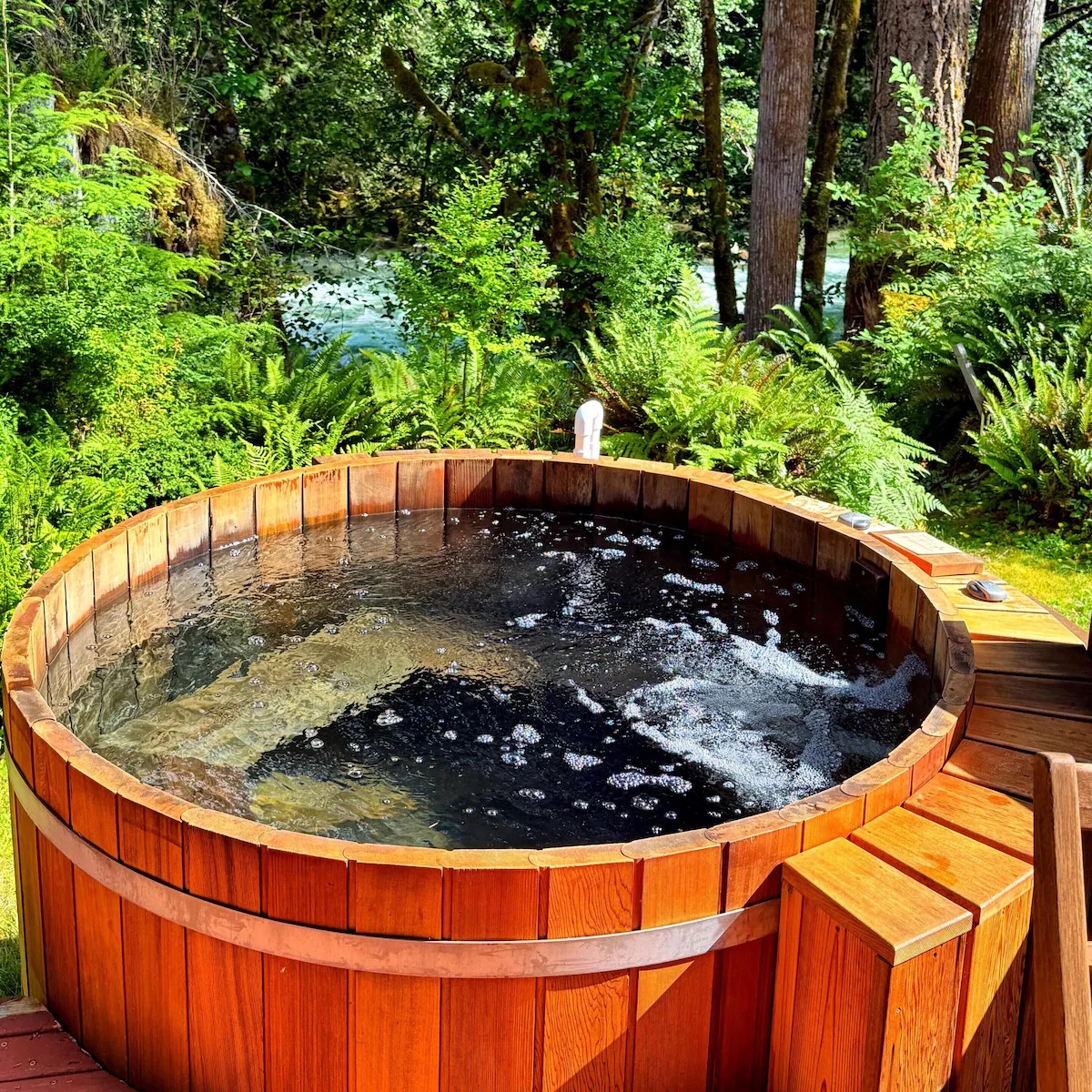
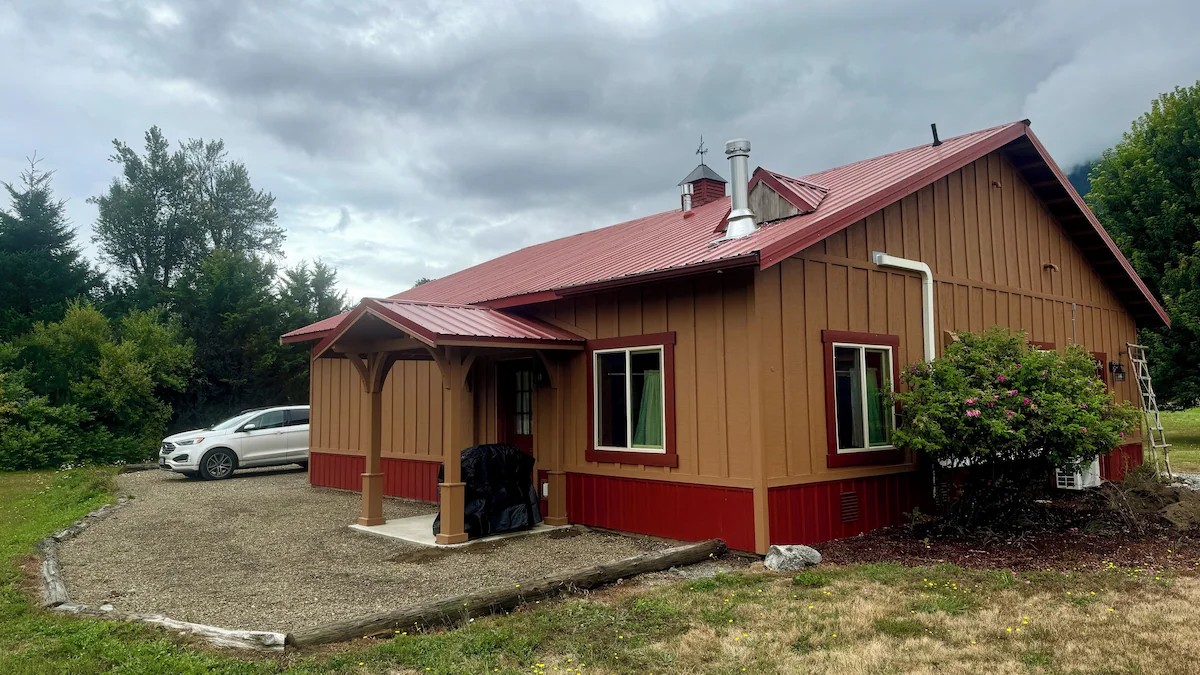
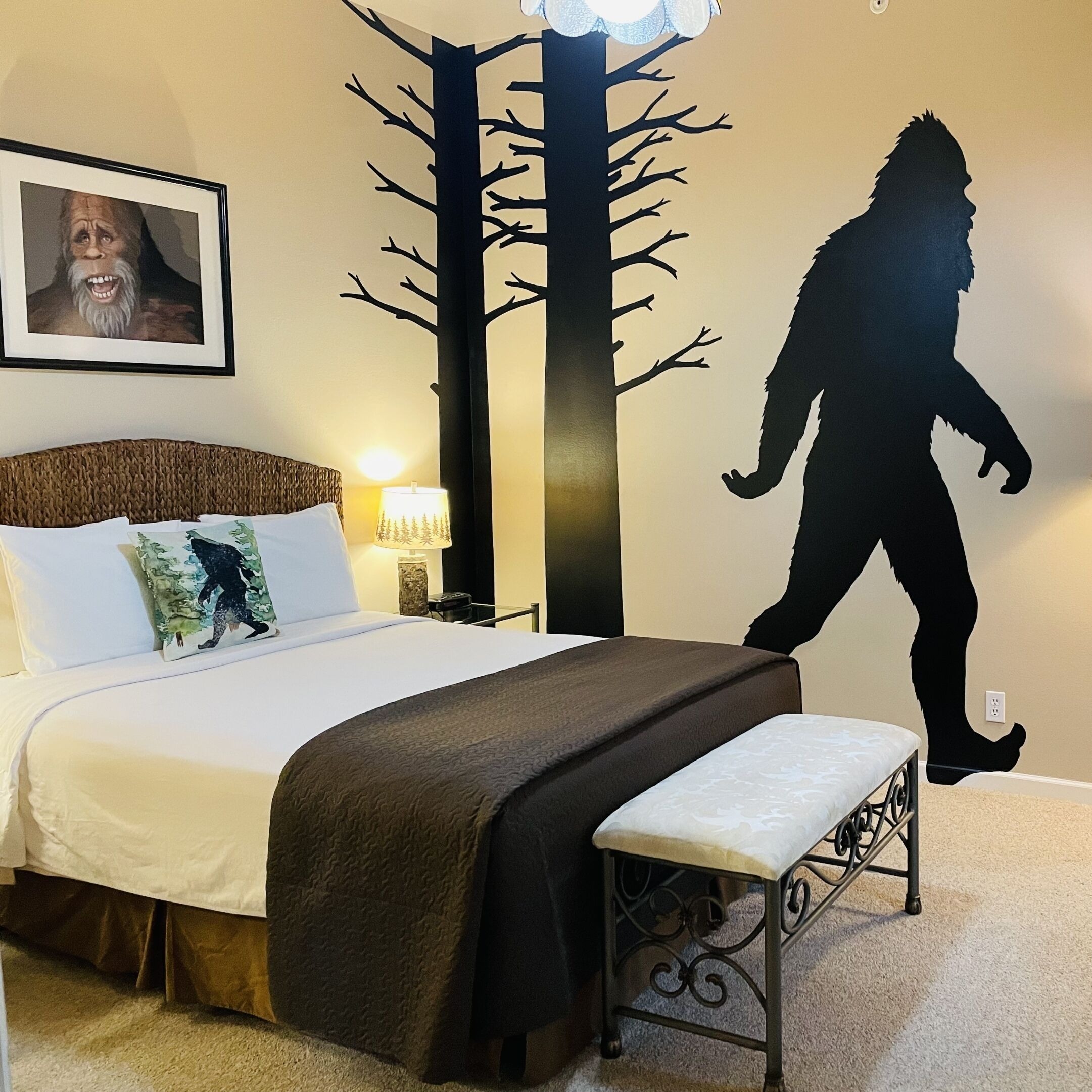
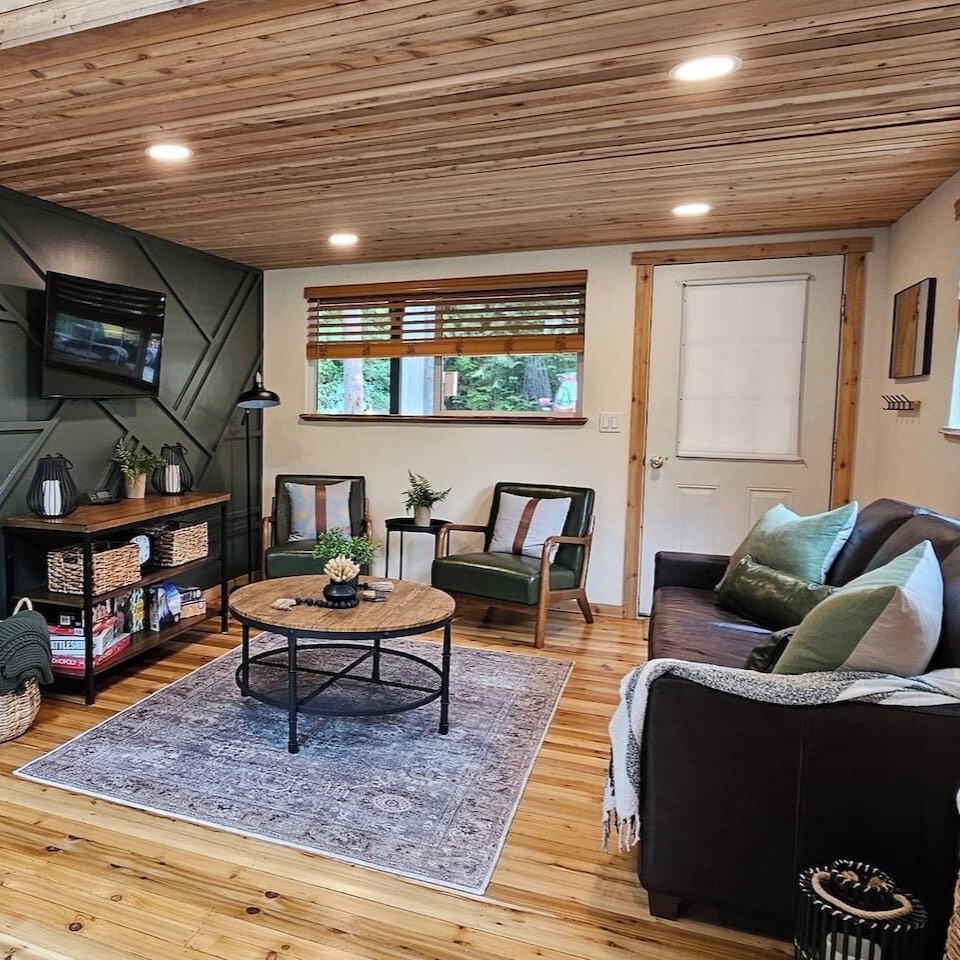
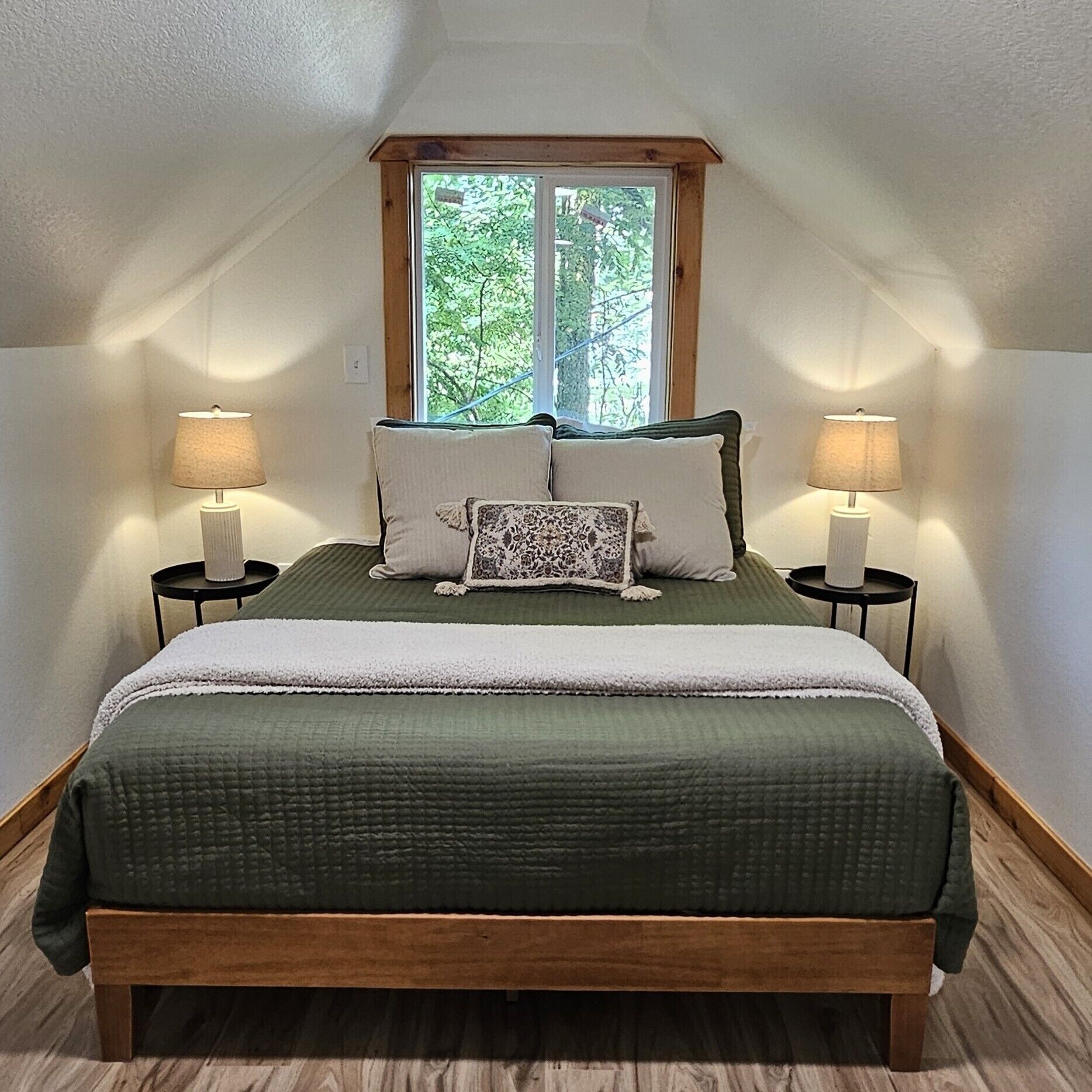
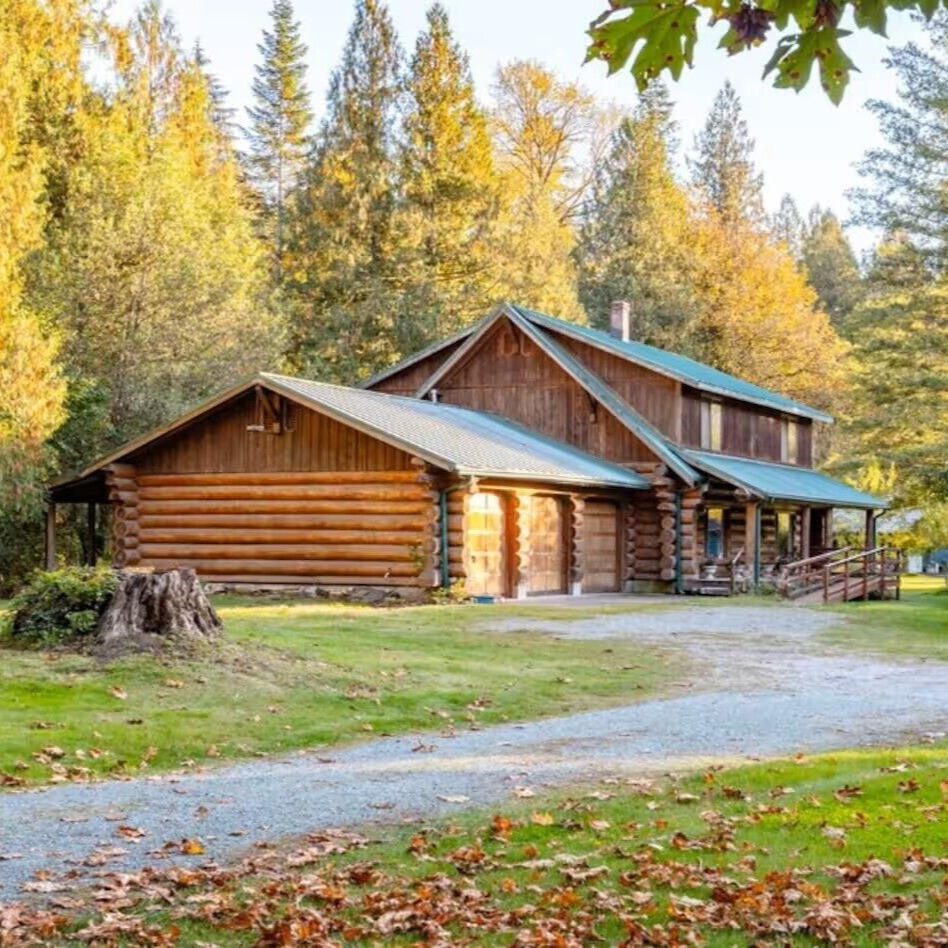
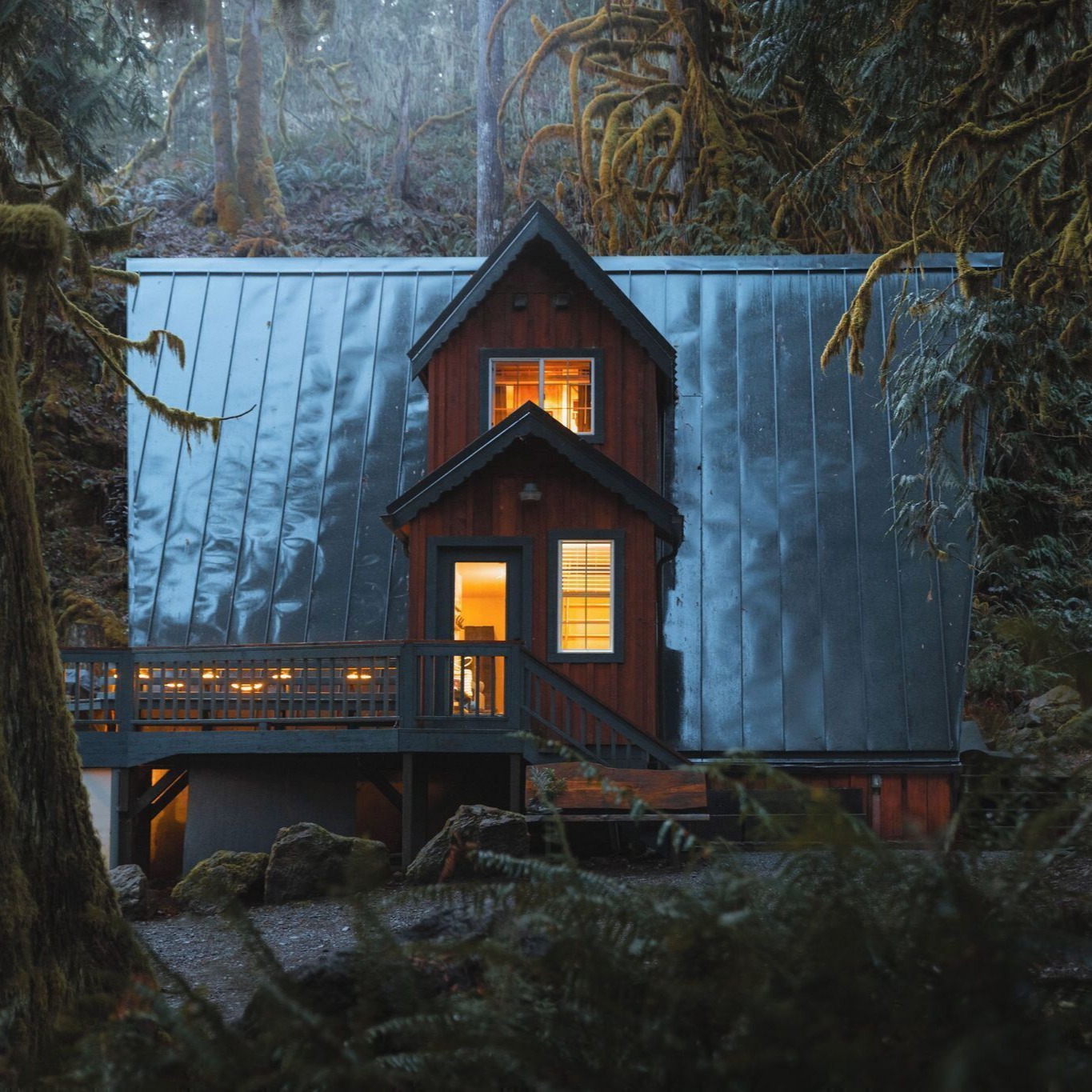
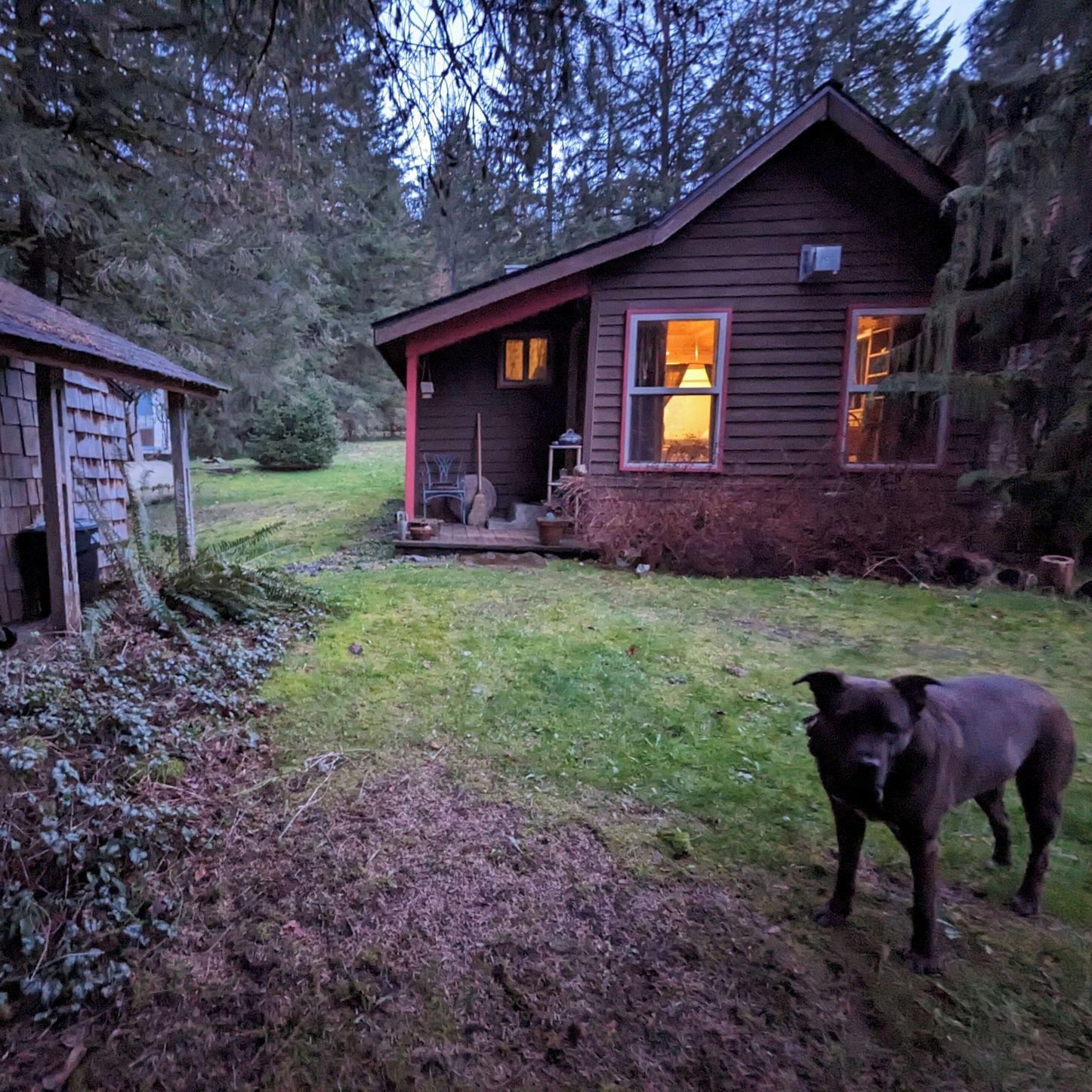
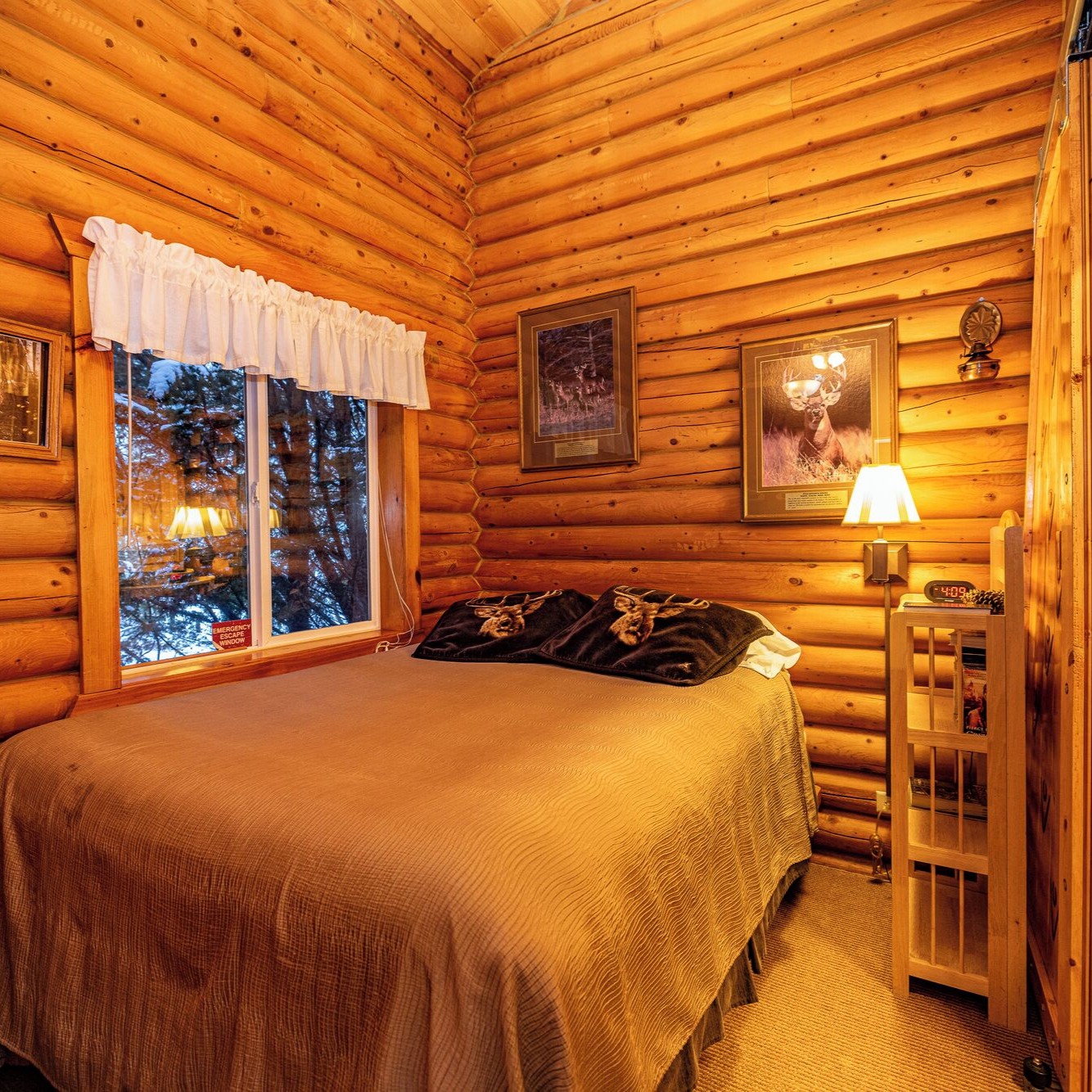
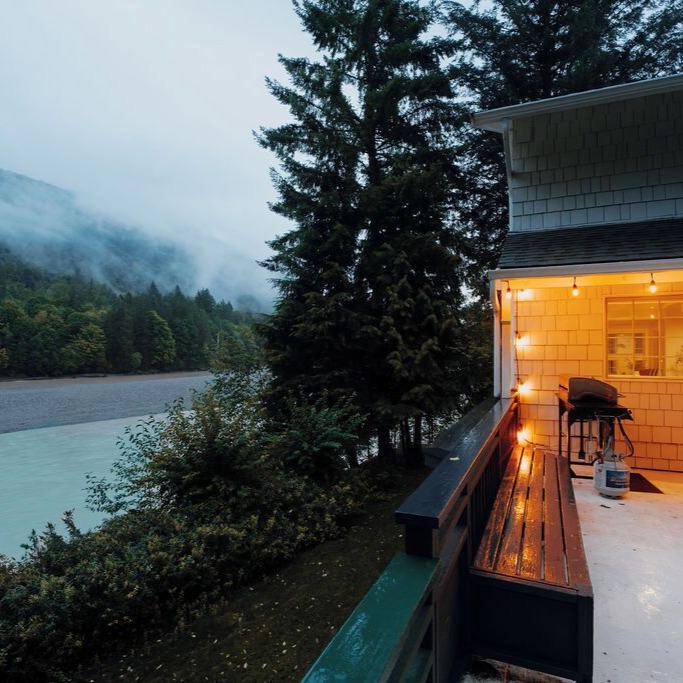
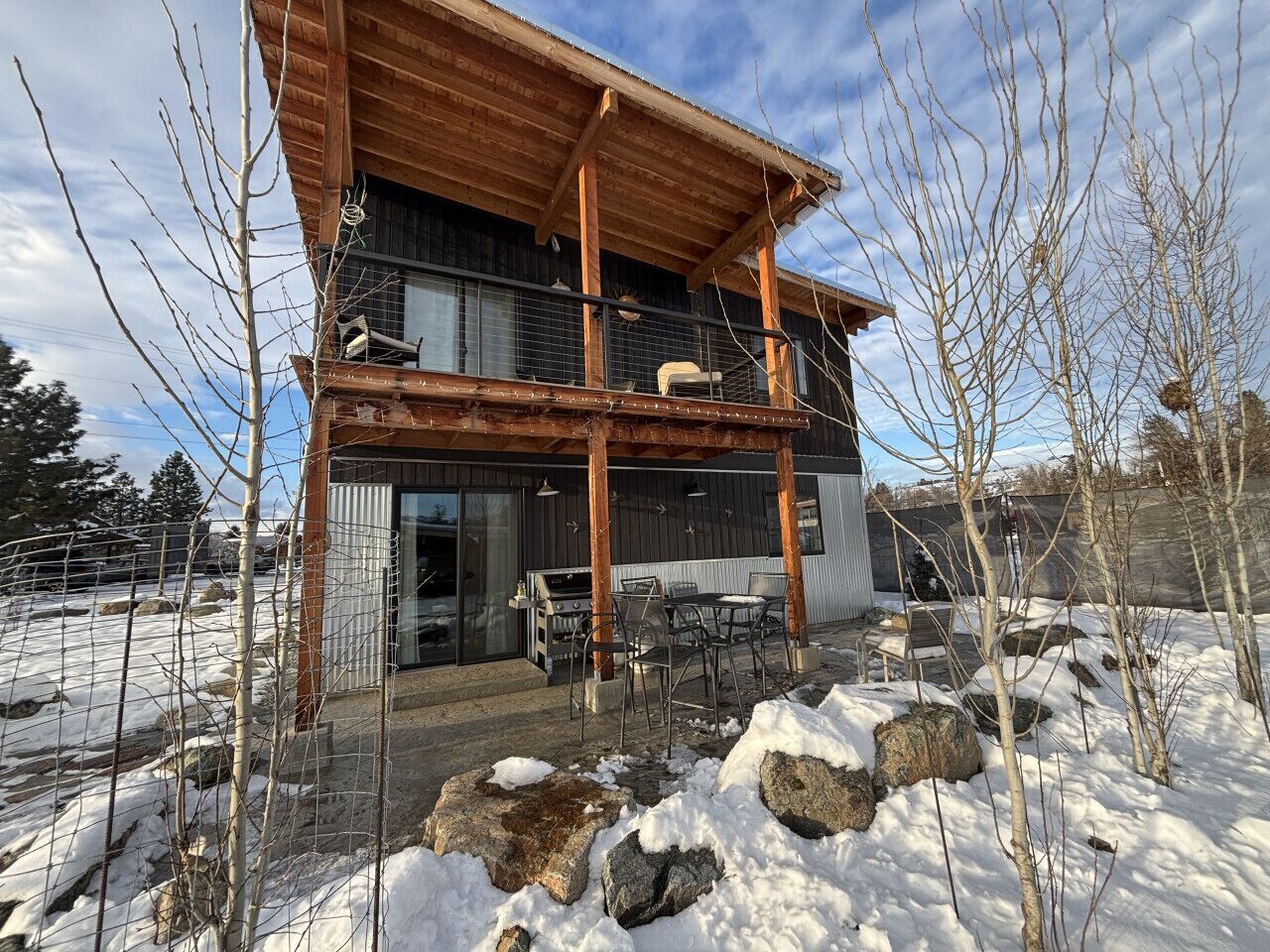
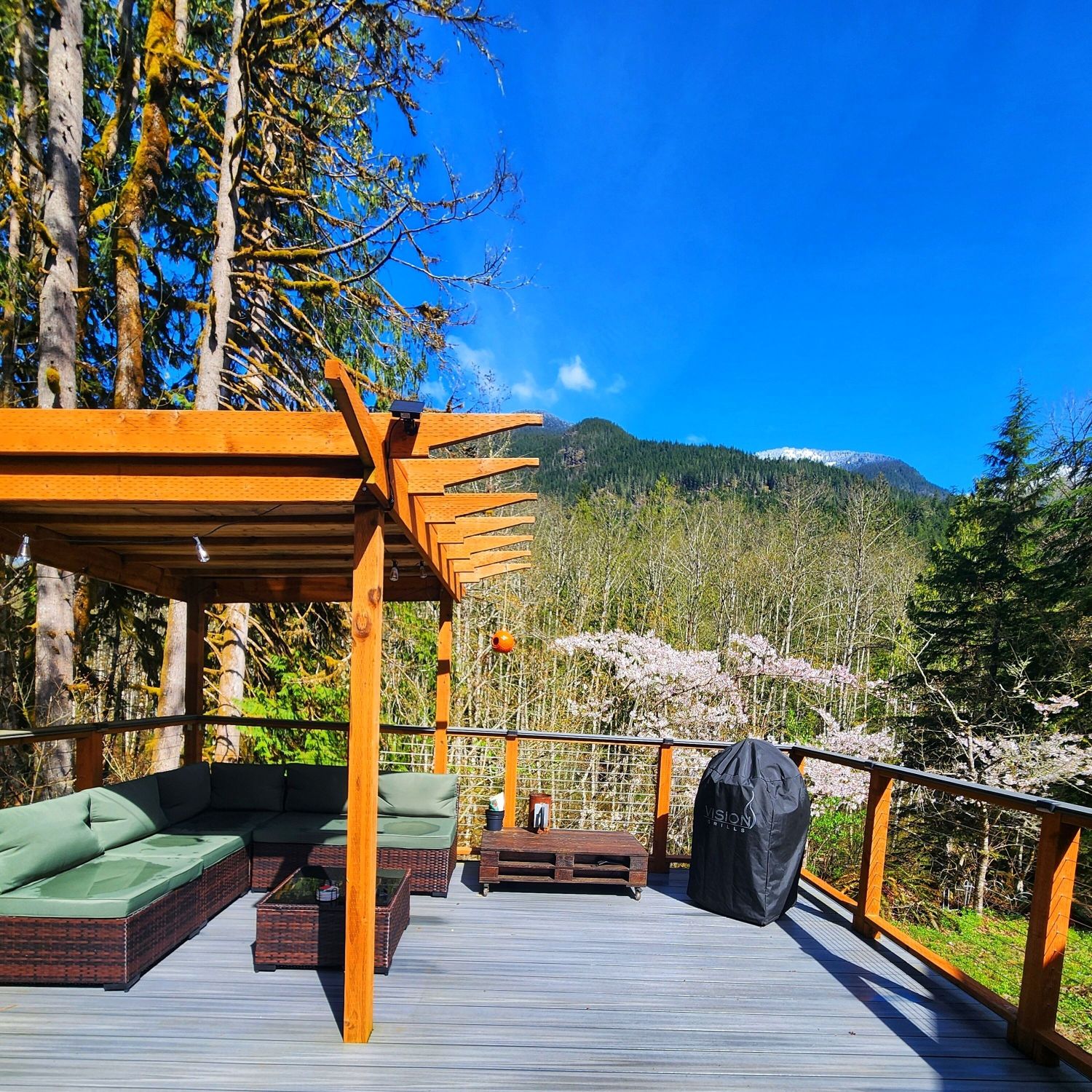
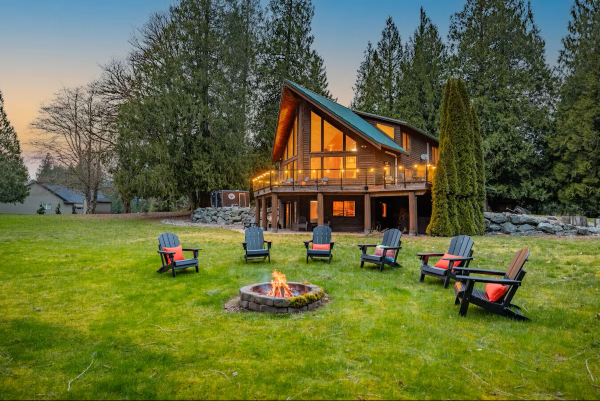
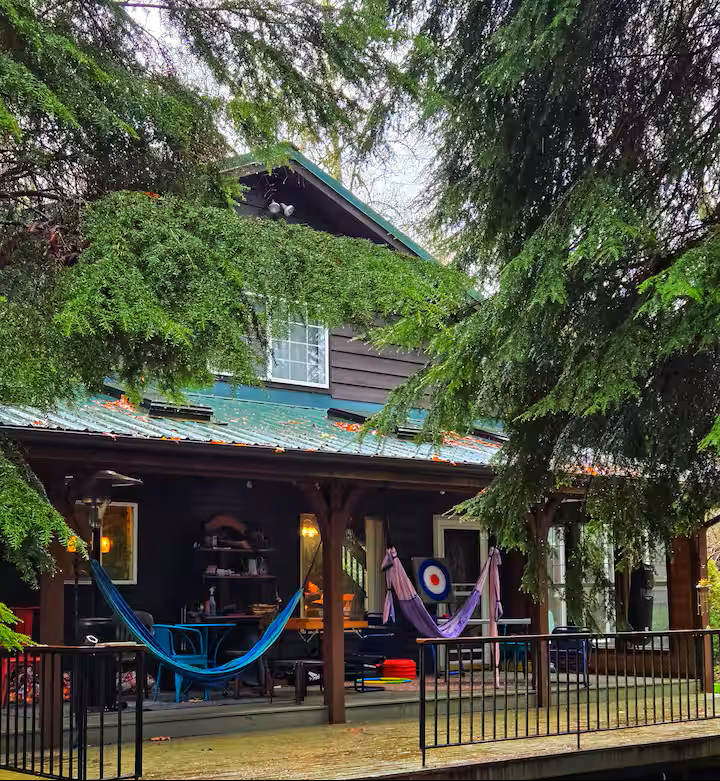
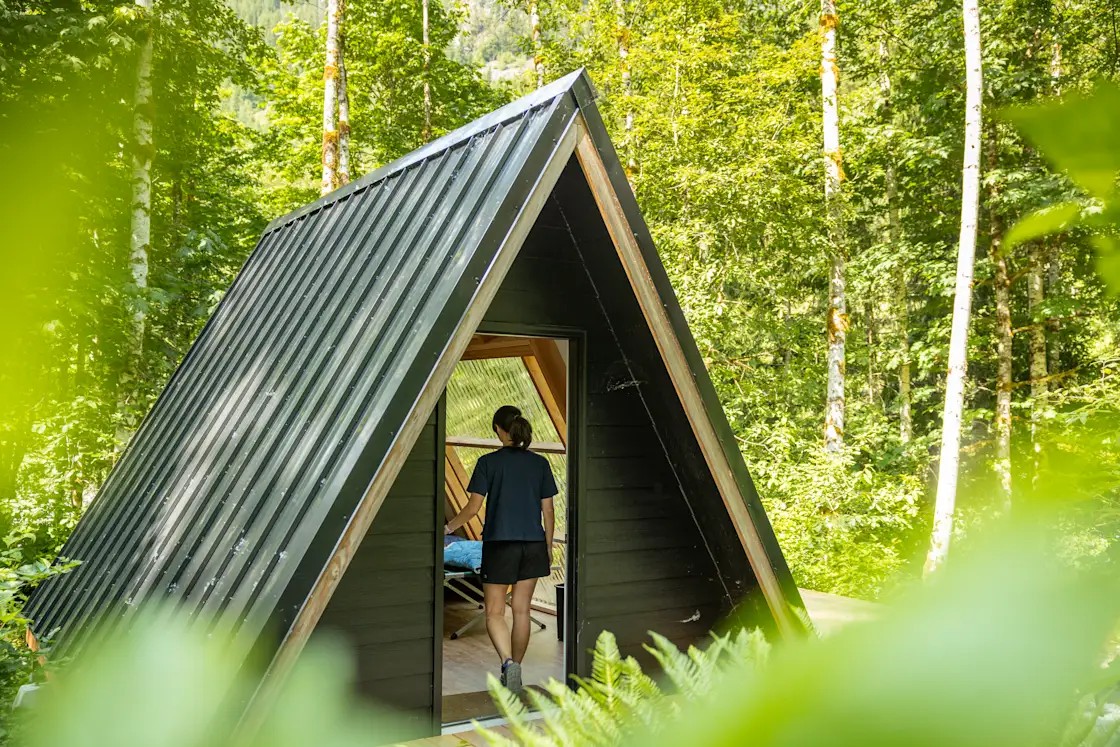
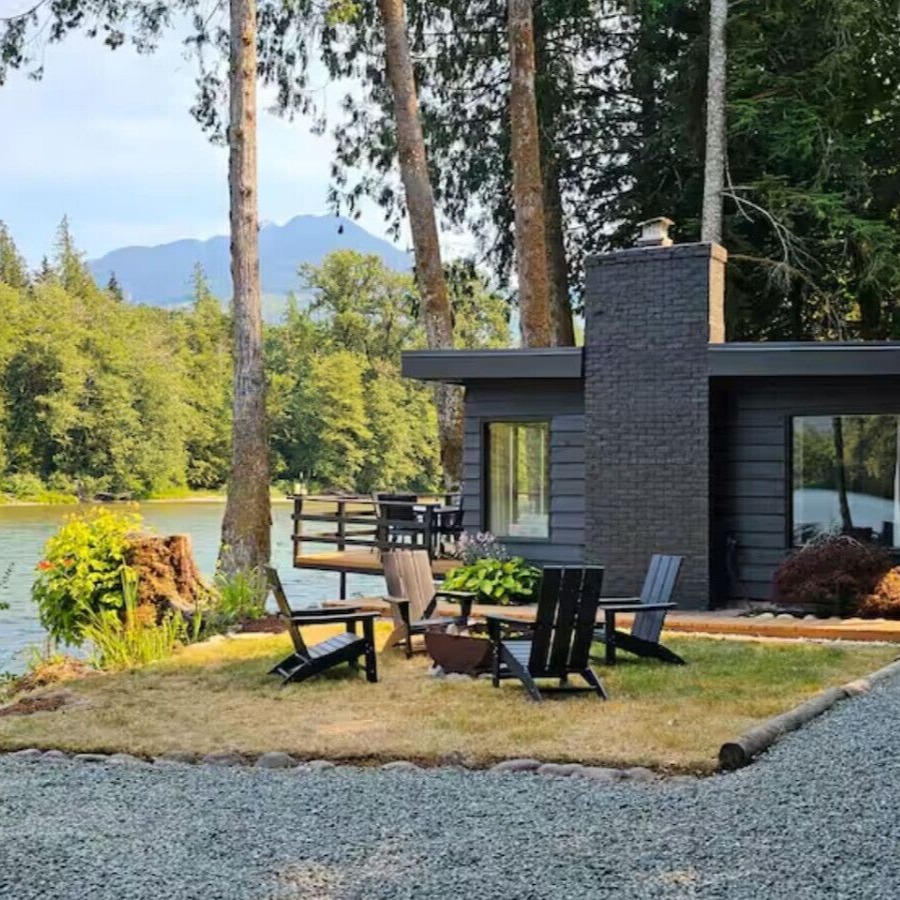
Cabins and rentals are the strongest choice when the stay needs to carry part of the trip. They are especially useful for families, pets, mixed hiking ability, shoulder-season travel, or any plan where a rainy evening would otherwise make the trip feel like work.
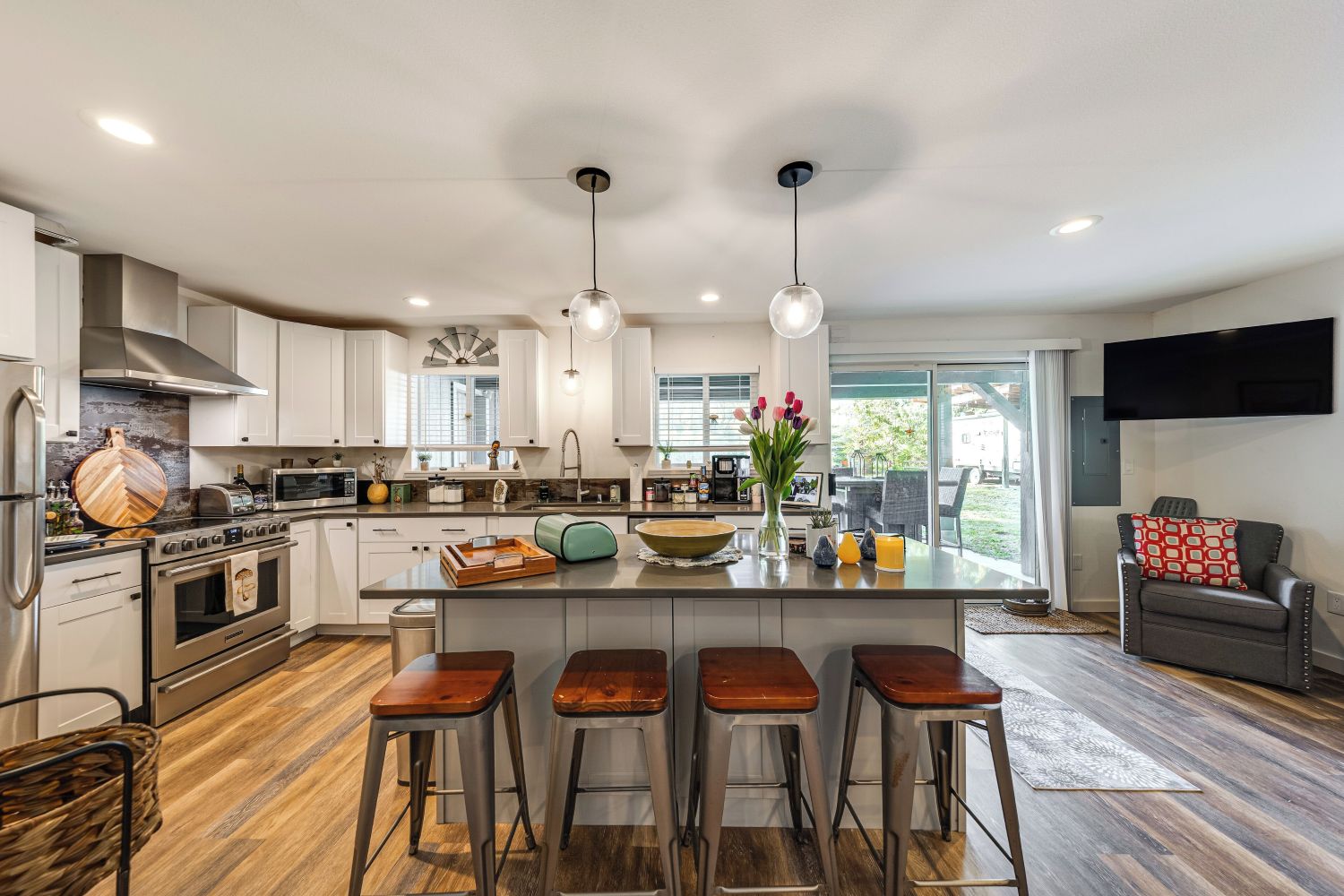
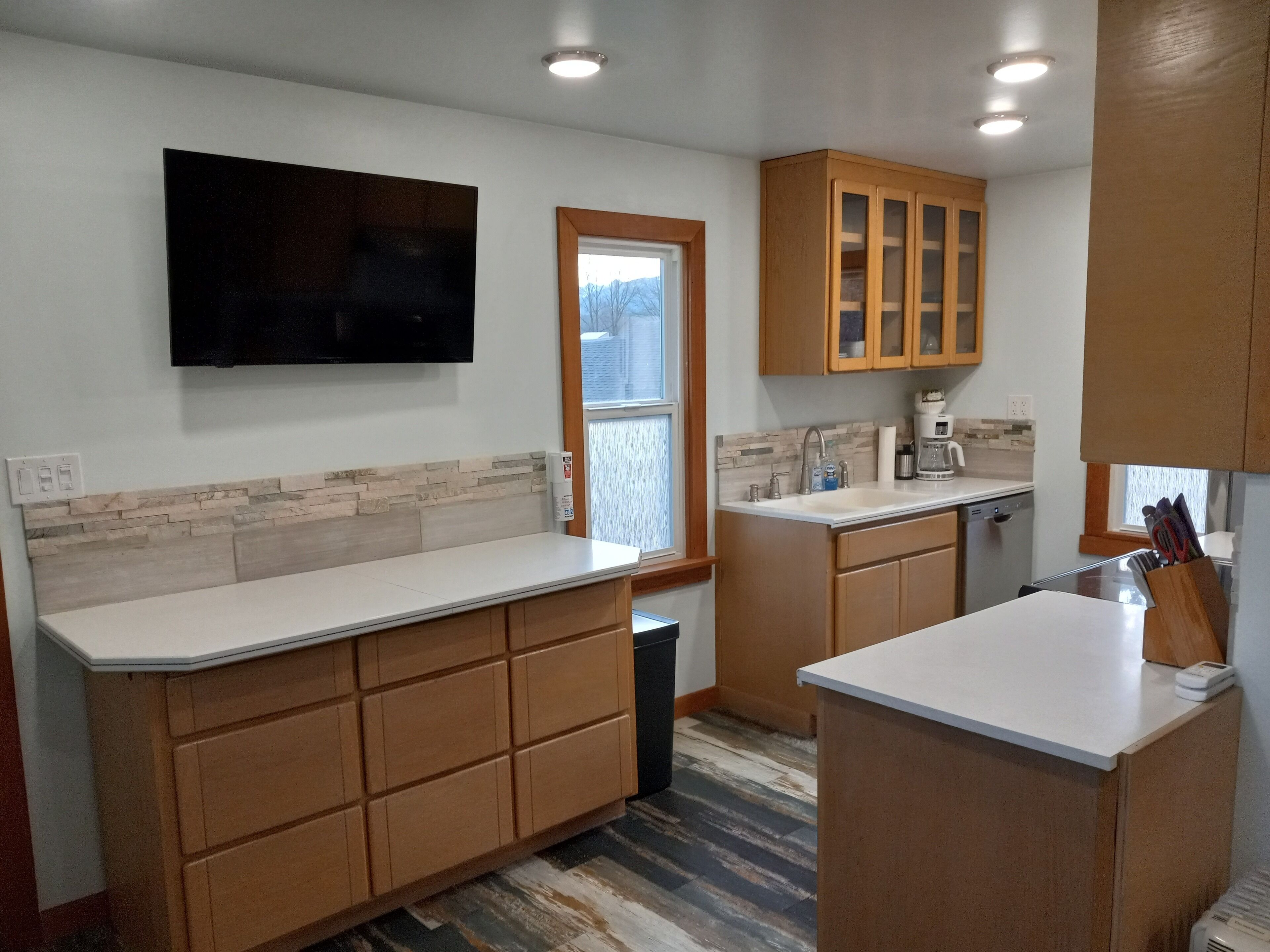
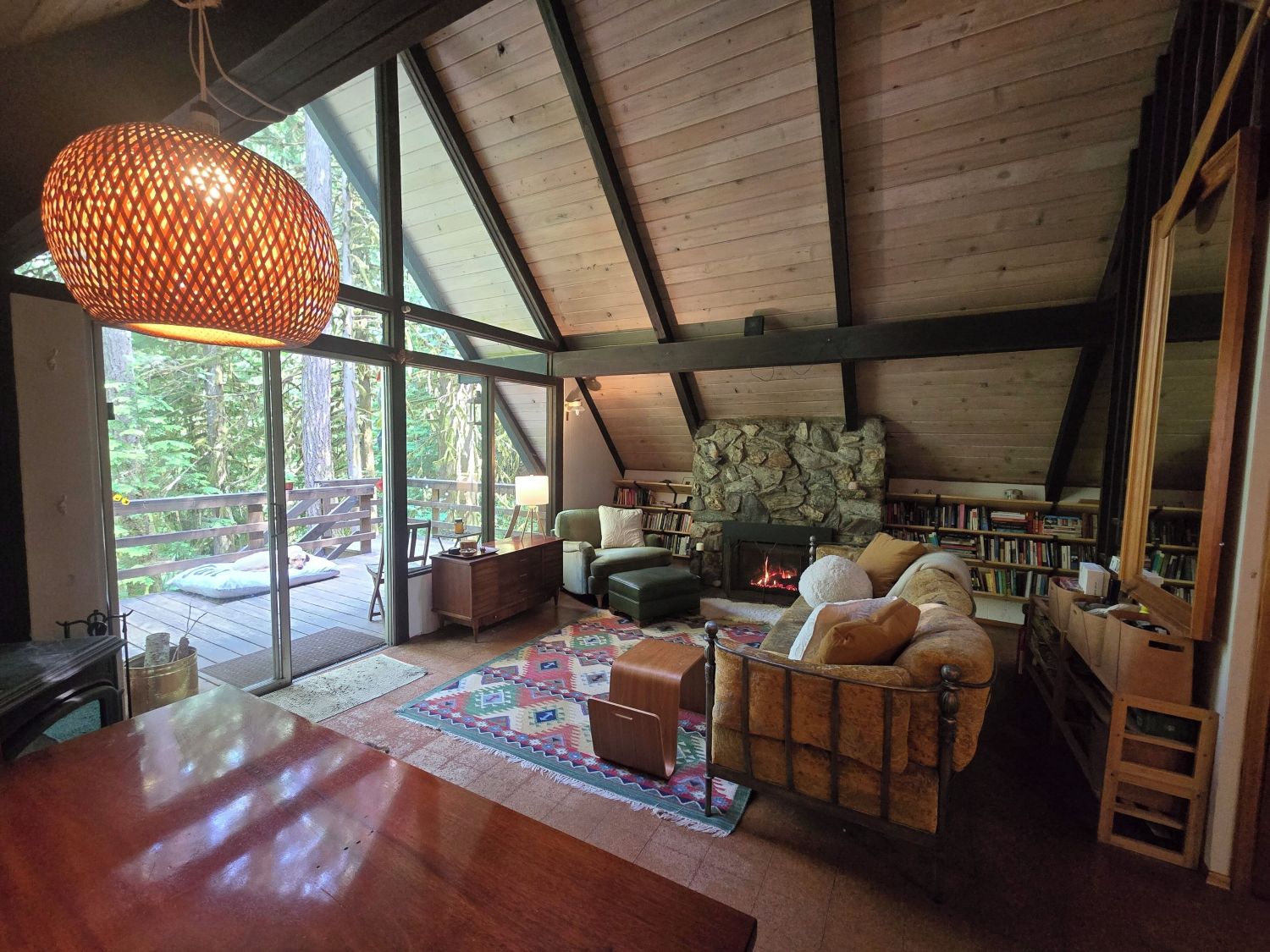
This is also the safest direction when you want easier meals. A kitchen, refrigerator, dry gear space, and a warm place to reset can matter more than shaving a few minutes off the morning drive.
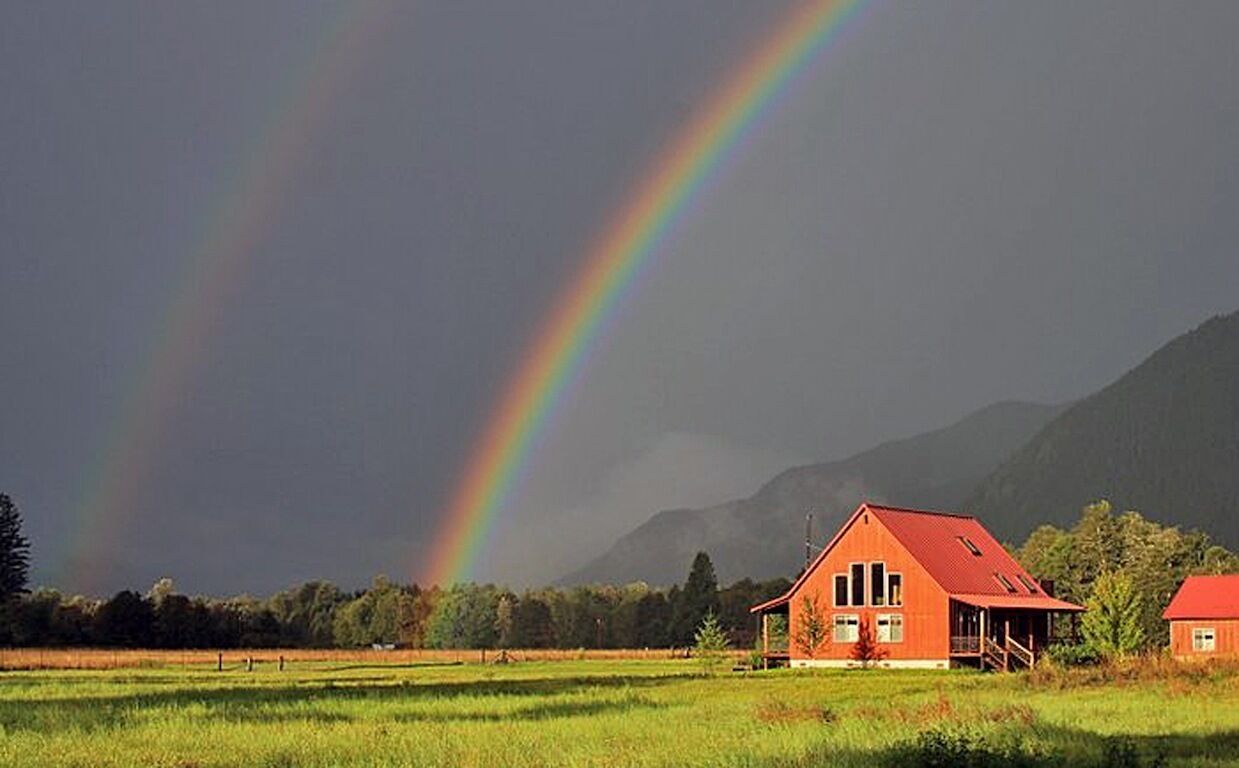
Best corridor fit: Rockport and nearby rural areas work well for a quieter cabin-style stay. Concrete is better when you want more complete town services like groceries, fuel, restaurants, and easier backup options. Marblemount is better when trailhead access matters more than town comfort.
Main tradeoff: location and cost. A beautiful rental can still be the wrong choice if it puts you too far from your actual route or leaves you driving too long before an early hike.
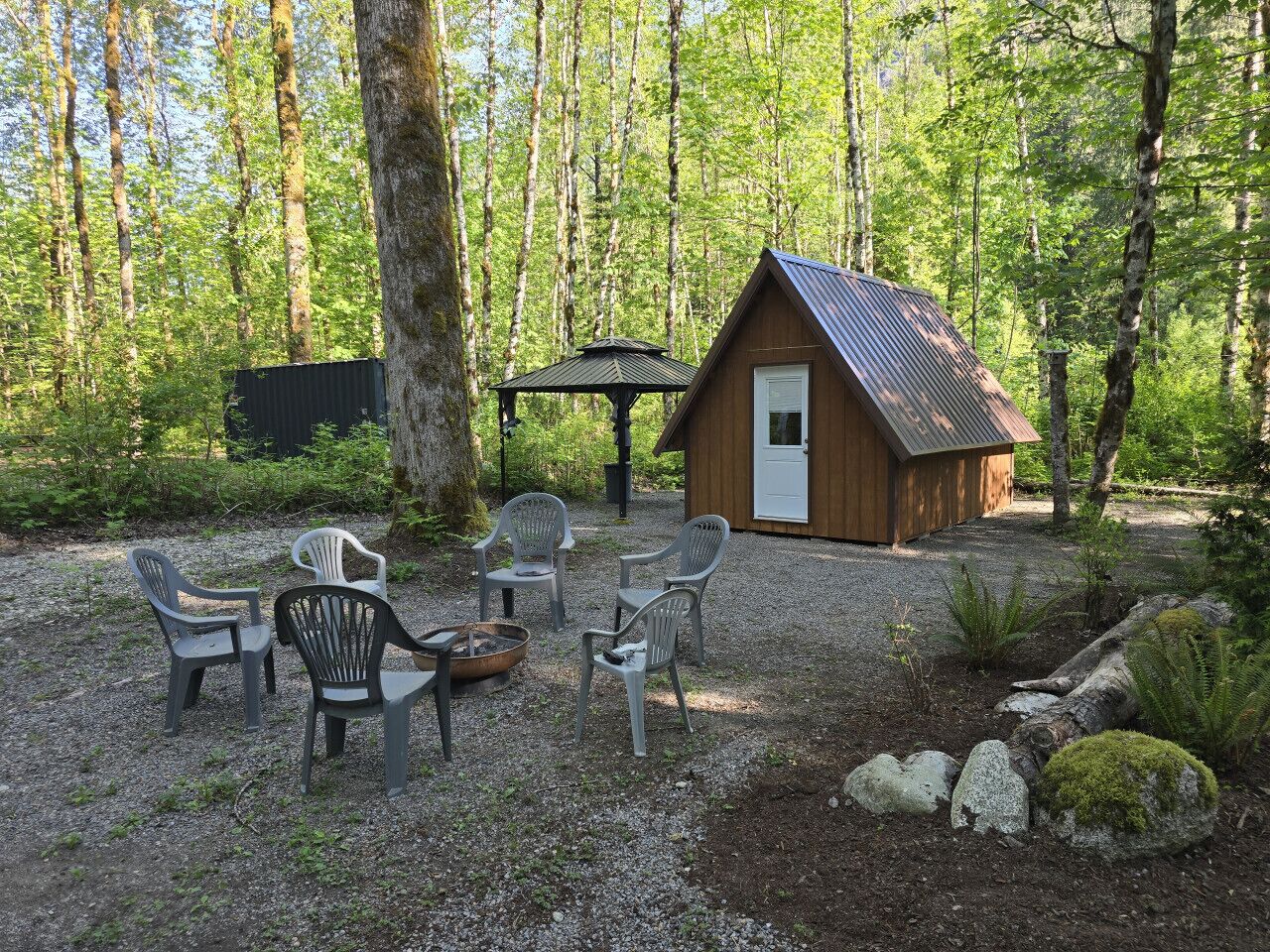
Public campgrounds: best for trail-first trips that are planned ahead
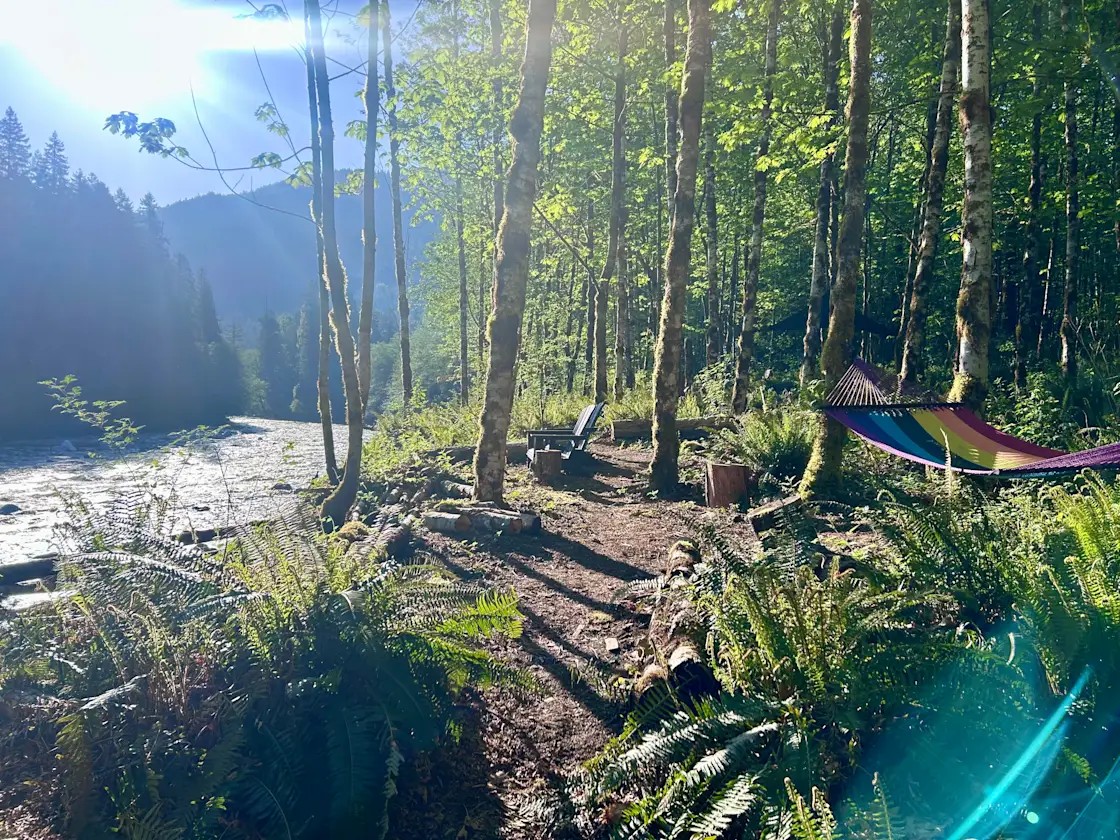
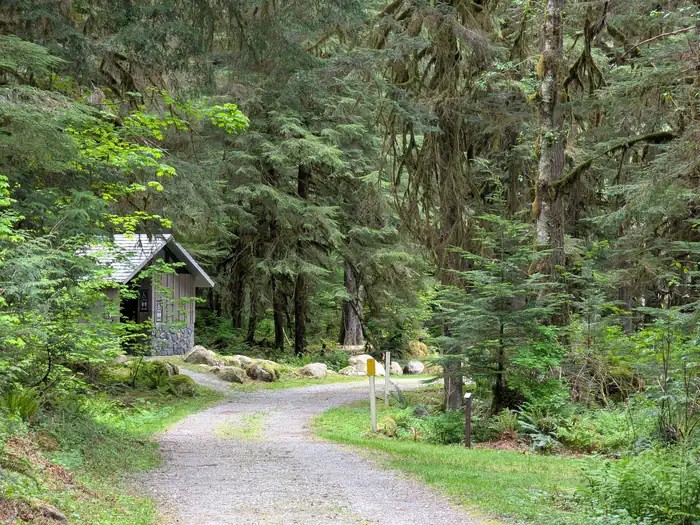
Public campgrounds are the right choice when the trip is built around being outside, starting early, cooking simple meals, and accepting more logistics in exchange for lower cost and a stronger outdoor feel.
The catch is that public camping near the North Cascades is not one simple system. Park campgrounds, National Forest campgrounds, county parks, state parks, and first-come-first-served sites can all work differently. Some are reservable. Some are rustic. Some have water. Some do not. Some are good backups. Some are not.
For first-time visitors, the most straightforward public options are usually the park-complex campgrounds along the Highway 20 corridor, such as Newhalem, Goodell, and Colonial Creek. For Baker Lake, Cascade River Road, or east-side trips, National Forest campgrounds may fit better, but the rules and comfort level vary more.
Main tradeoff: uncertainty. A campsite can look cheaper than a cabin or hotel, but if it requires a stressful reservation hunt, a late-night arrival gamble, no shower, no nearby food, and wet gear management, the real cost is higher than the nightly fee.
RV parks and private campgrounds: best when you want camping with more predictability
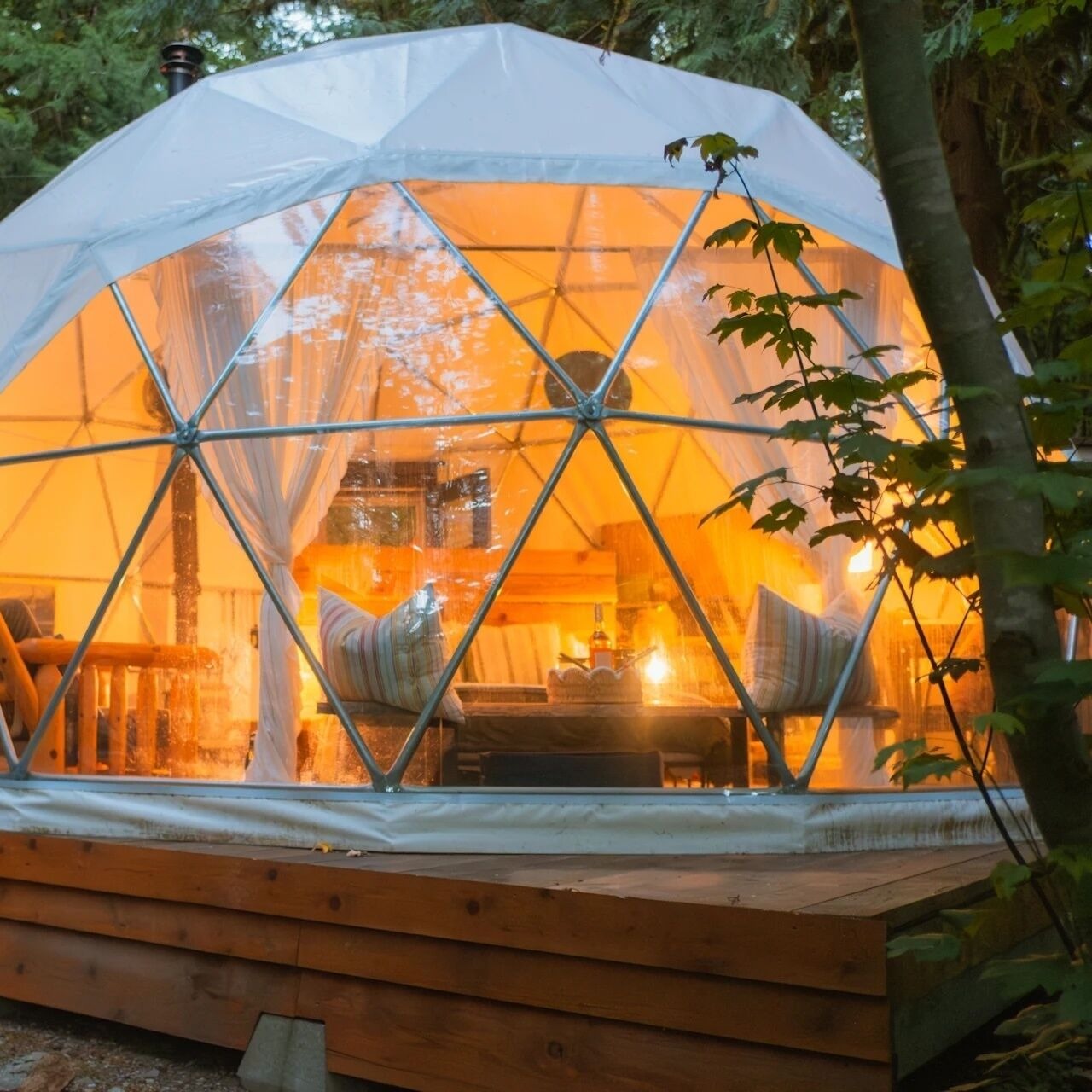
RV parks and private campgrounds make sense when you want the outdoor rhythm of camping but do not want the full uncertainty of public campground planning. They can be especially useful for hookups, showers, easier check-in, family amenities, shoulder-season comfort, or a backup when federal campgrounds are full.
This category is not always the cheapest option, and it may not feel as wild as a public campground. But for many real trips, predictability is the point. A private campground or RV park can be the difference between a workable weekend and a failed campsite hunt.
Best corridor fit: these options are most useful near service towns where you can still reach food, fuel, groceries, and your morning route without adding too much friction.
Main tradeoff: less of a backcountry feel. Choose this when reliability matters more than solitude.
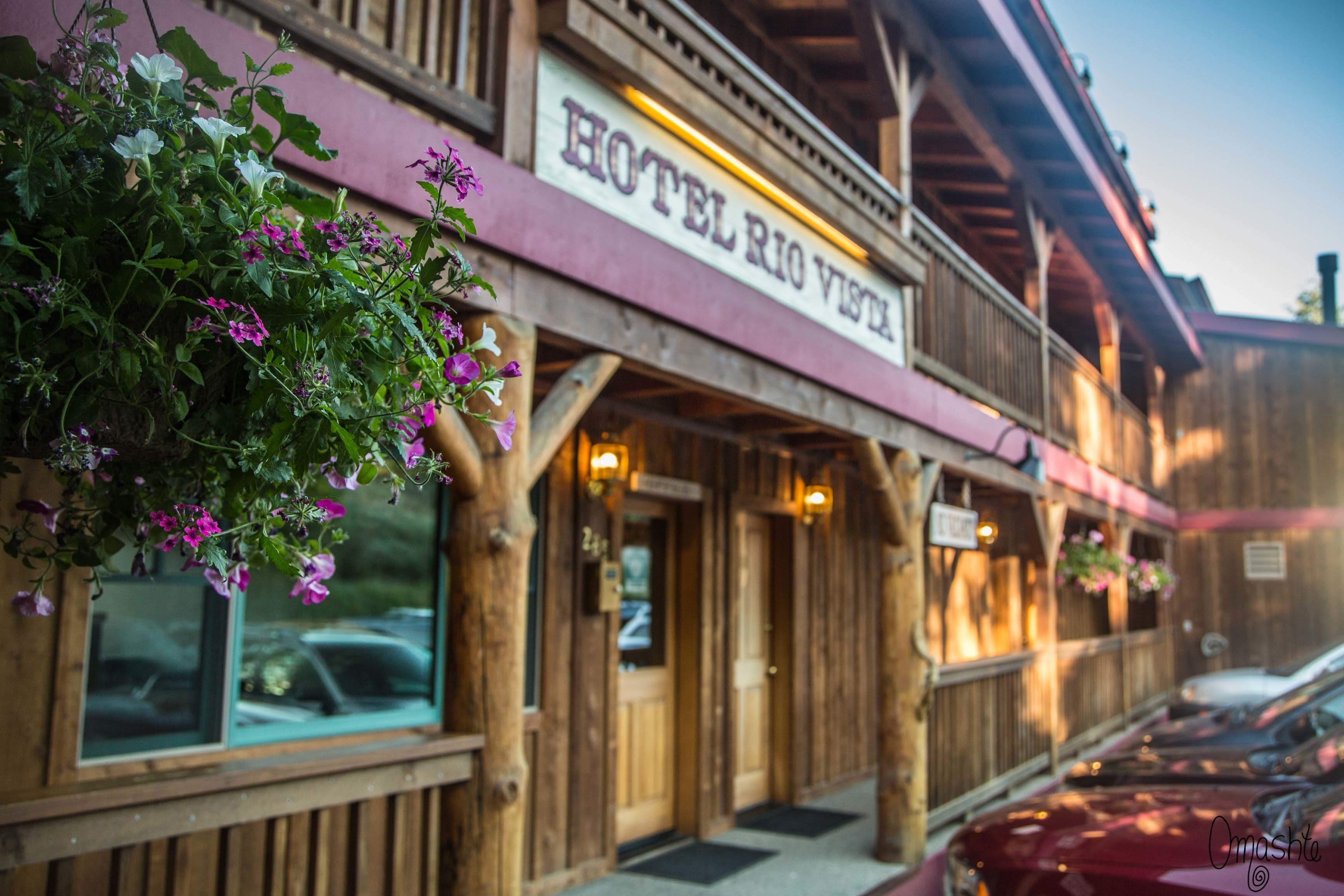
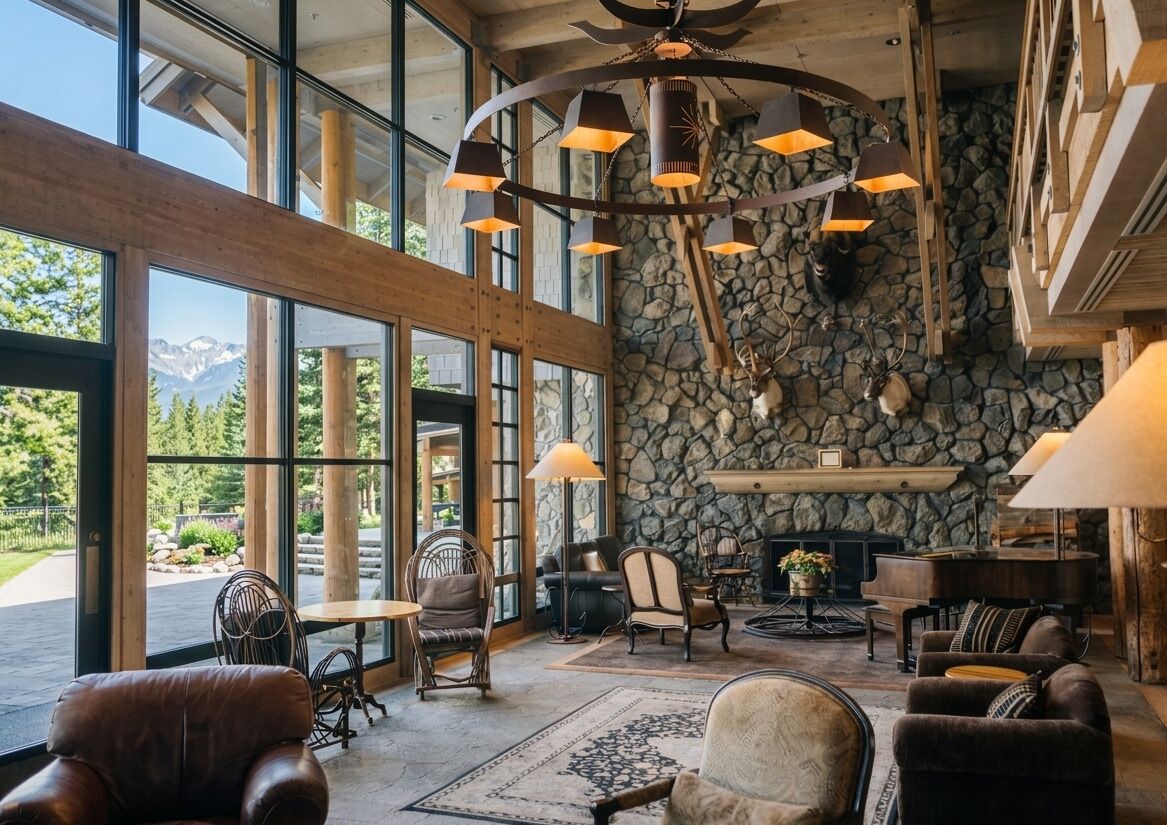
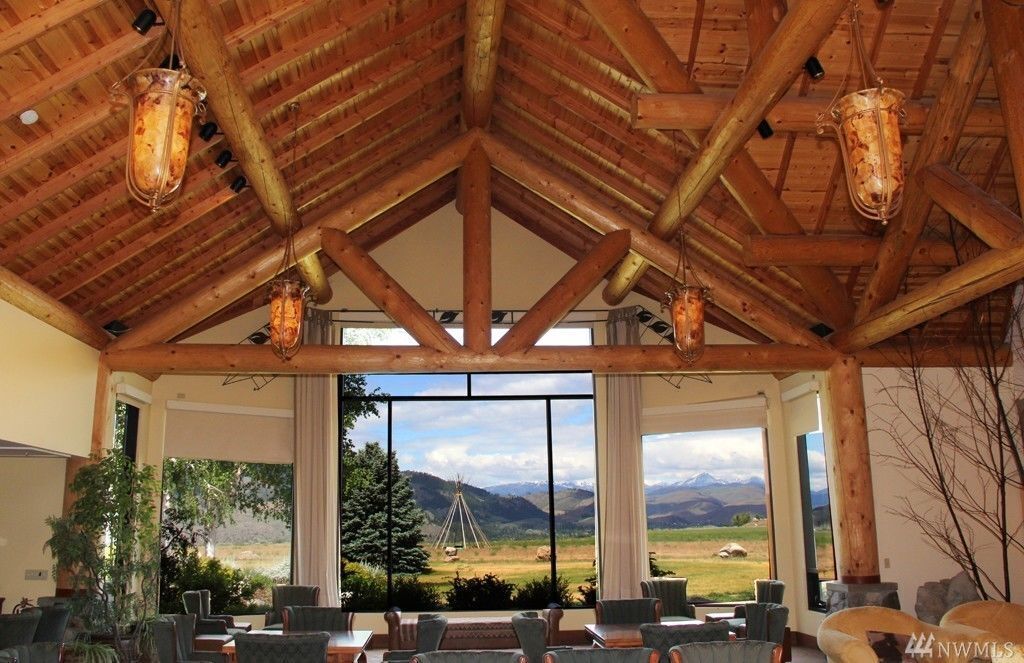
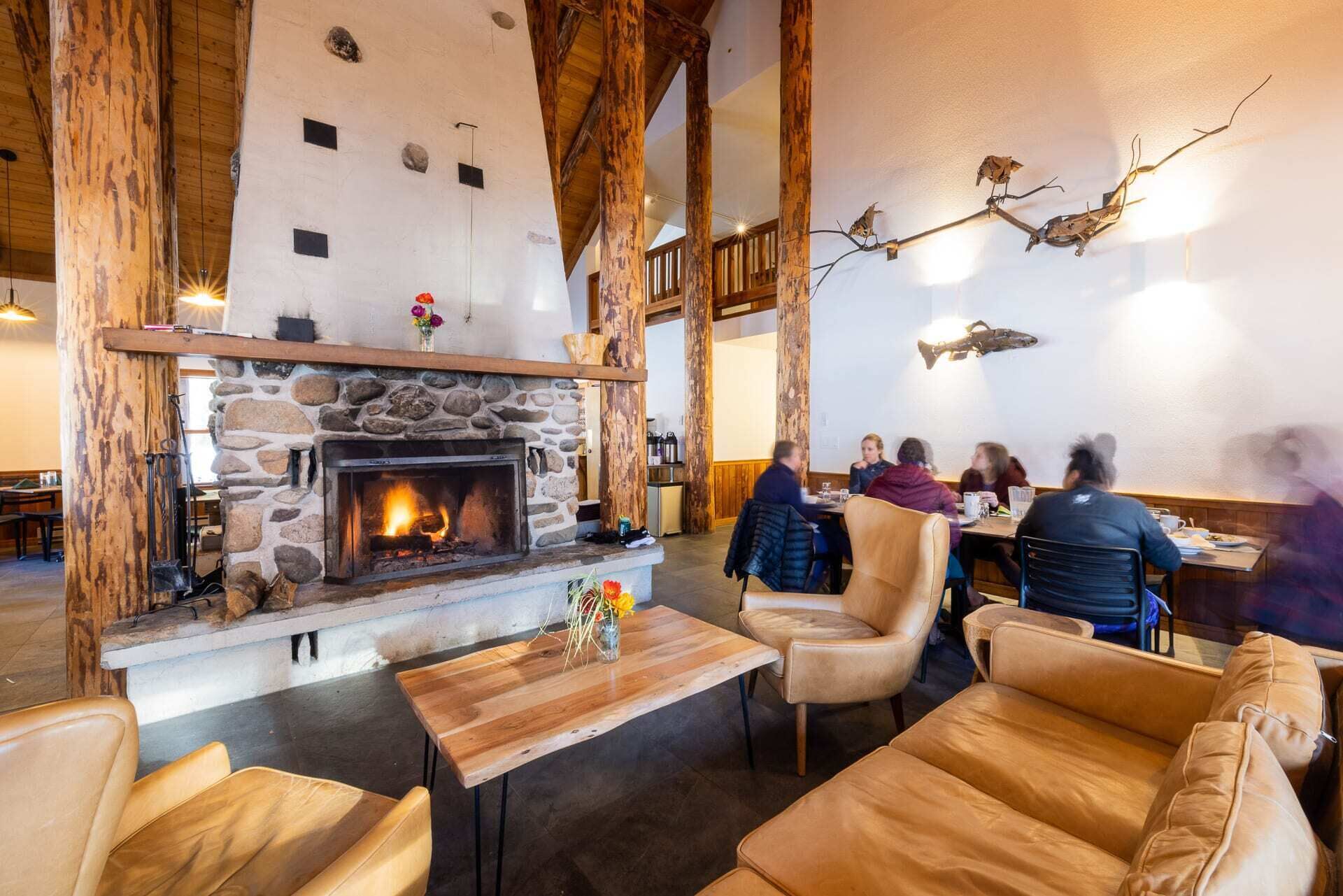
Hotels and lodges: best for low-friction arrivals and early starts
Hotels and lodges are the simplest choice when you are arriving after work, traveling light, leaving early the next morning, or trying to reduce the number of things that can go wrong.
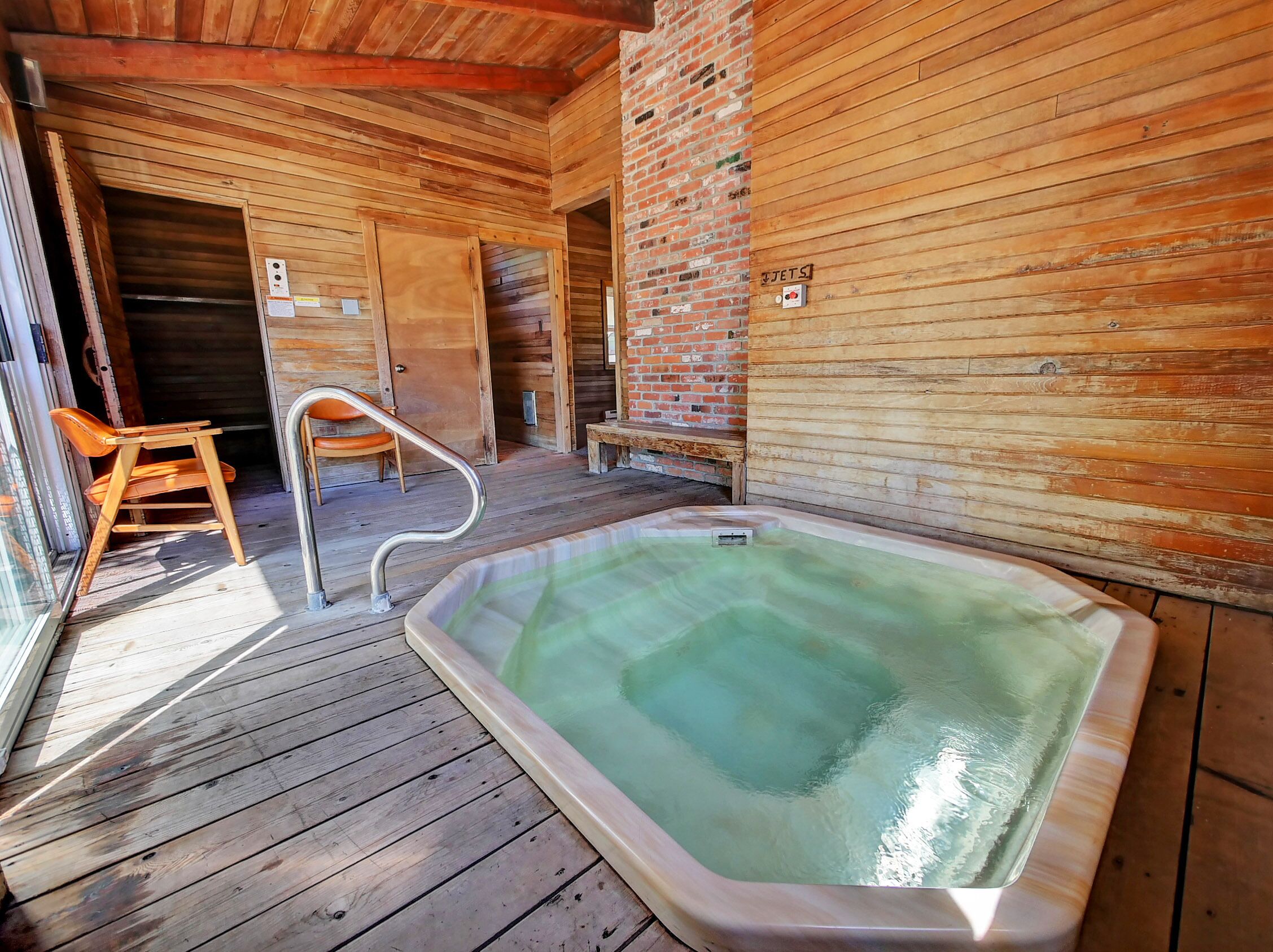
They are also useful after long hiking days. A bed, shower, heat, and nearby food can matter more than scenery when your group is tired, wet, or trying to reset for another day.
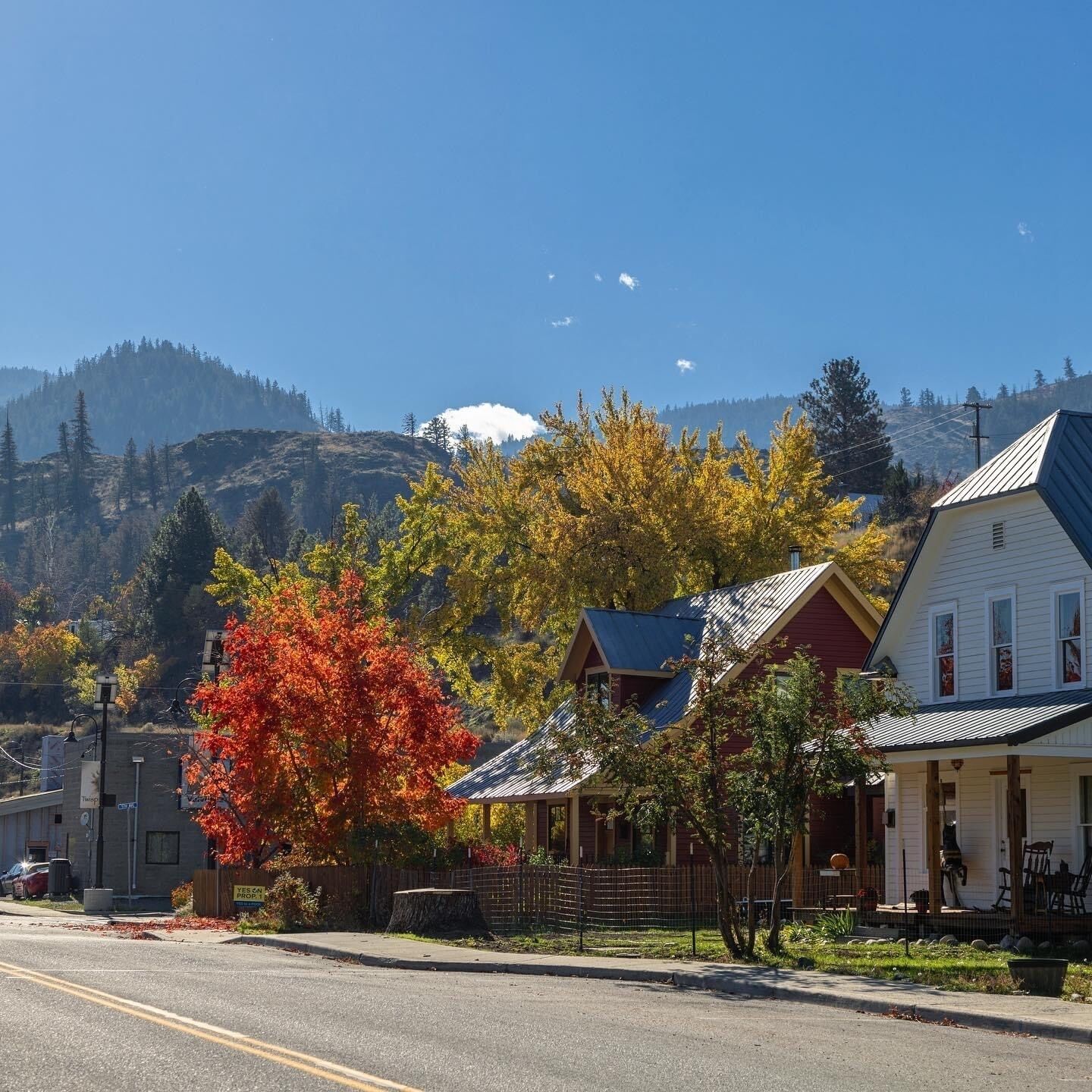
Best corridor fit: Marblemount is useful for west-side trailhead logistics and permit-related trips. Concrete is better when you want more normal-town convenience and food backup. Winthrop, Mazama, and the Methow Valley make more sense for Washington Pass, Rainy Pass, Blue Lake, Maple Pass, and east-side larch-season trips.
Main tradeoff: limited inventory and location sensitivity. A hotel is not automatically easier if it puts you on the wrong side of the drive.
West side vs east side matters
Do not choose a place to stay as if the whole North Cascades corridor is one compact area. Your base should match the side of the highway you are actually using.
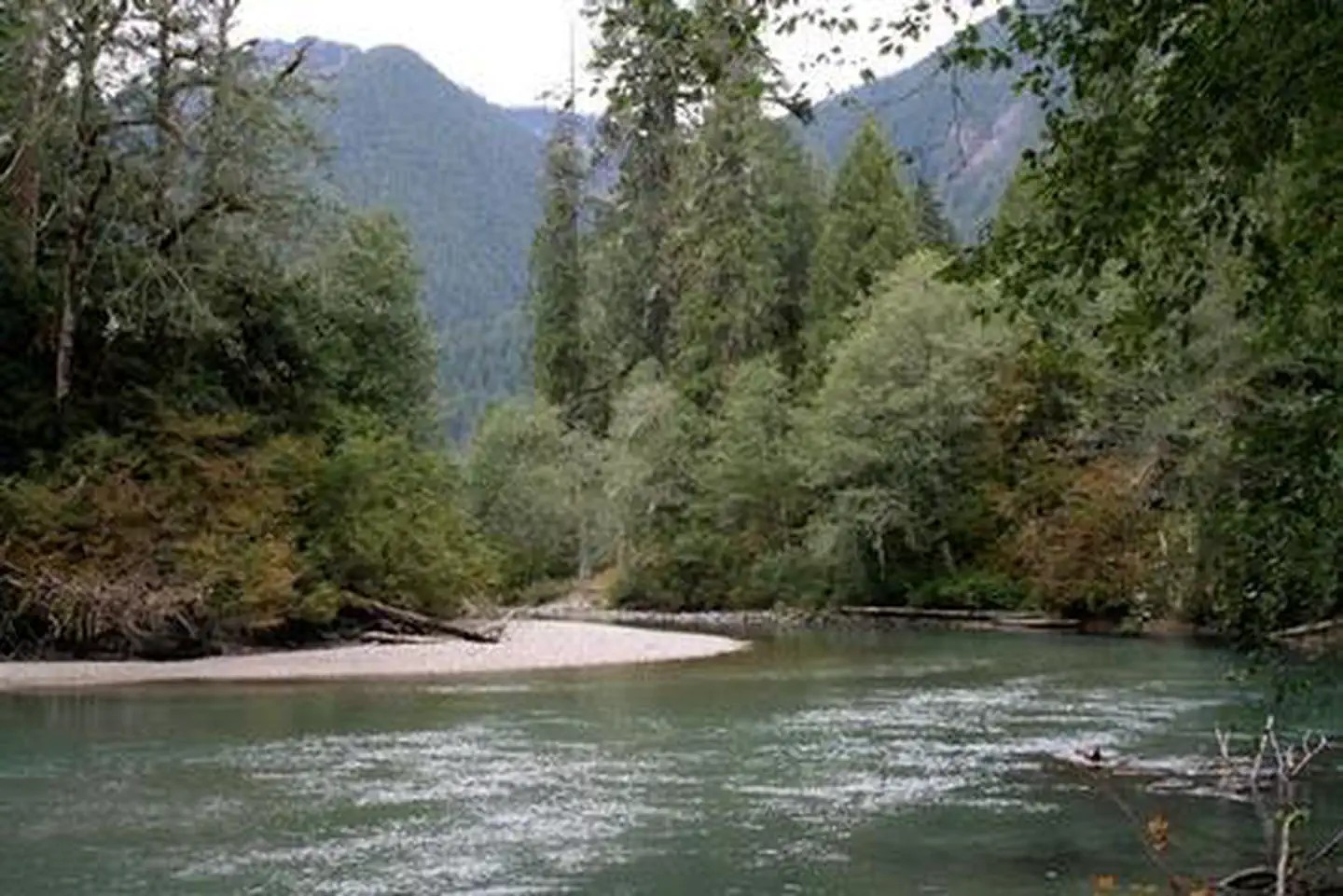
- West side: better for Newhalem, Diablo Lake, Ross Lake overlooks, Colonial Creek, Cascade River Road, Marblemount, Rockport, Concrete, and most first-time west-to-east Highway 20 trips.
- East side: better for Washington Pass, Rainy Pass, Blue Lake, Maple Pass, Cutthroat, Mazama, Winthrop, Twisp, and many larch-season trips.
- Through trips: only make sense when SR 20 is fully open and conditions support the drive. If the highway is closed or disrupted, west-side and east-side plans become separate trips.
Do not treat dispersed camping as the default backup
Dispersed camping is not the same as finding any open pullout. Rules change by land manager, and the North Cascades park complex does not work like surrounding National Forest land. If you are considering dispersed camping, check legality first and have a safer fallback.
What if campgrounds are full?
If the public campgrounds you wanted are full, do not keep refreshing one option and hope the whole trip fixes itself. Decide what kind of backup you actually want.
- If you still want to camp, look at private campgrounds, RV parks, county parks, state parks, or a different side of the corridor.
- If you are arriving late, move toward a hotel, lodge, cabin, or private campground with a more predictable arrival process.
- If the weather is wet or cold, be honest about whether a tent site is still the right choice.
- If your trip depends on a specific trailhead, choose the base that gives you the best morning start rather than the cheapest available bed.
Check before you book or drive
Campground status, reservation rules, road access, fire restrictions, smoke, and seasonal services can change. Before committing to a camping-heavy plan, check current road conditions, official campground status, Recreation.gov availability, and any fire or access alerts that apply to your route.
This matters most for peak summer weekends, shoulder season, larch season, and any trip that depends on SR 20 being open all the way across the mountains.
The simple rule
For a one-night trip, choose the stay type that makes arrival and the next morning easiest. For a two-night trip, choose the stay type that still works if the weather changes or one day of the plan falls apart.
If you are unsure, cabins and hotels are safer for shoulder season, late arrivals, and family trips. Public campgrounds are better when the trip is intentionally built around being outside and you are comfortable managing the extra logistics. RV parks and private campgrounds sit in the middle: less wild, but often much easier to make work.