Rainy Pass North Cascades Guide: Rainy Lake, Lake Ann, Maple Pass, and Trailhead Strategy
Last updated: April 2026
Rainy Pass is the high-elevation trailhead area on SR-20 east of Newhalem, east of Diablo, and before Washington Pass when driving west to east. Use it for Rainy Lake, Lake Ann, or Maple Pass, but do not treat it like a town, service stop, or quick roadside overlook.
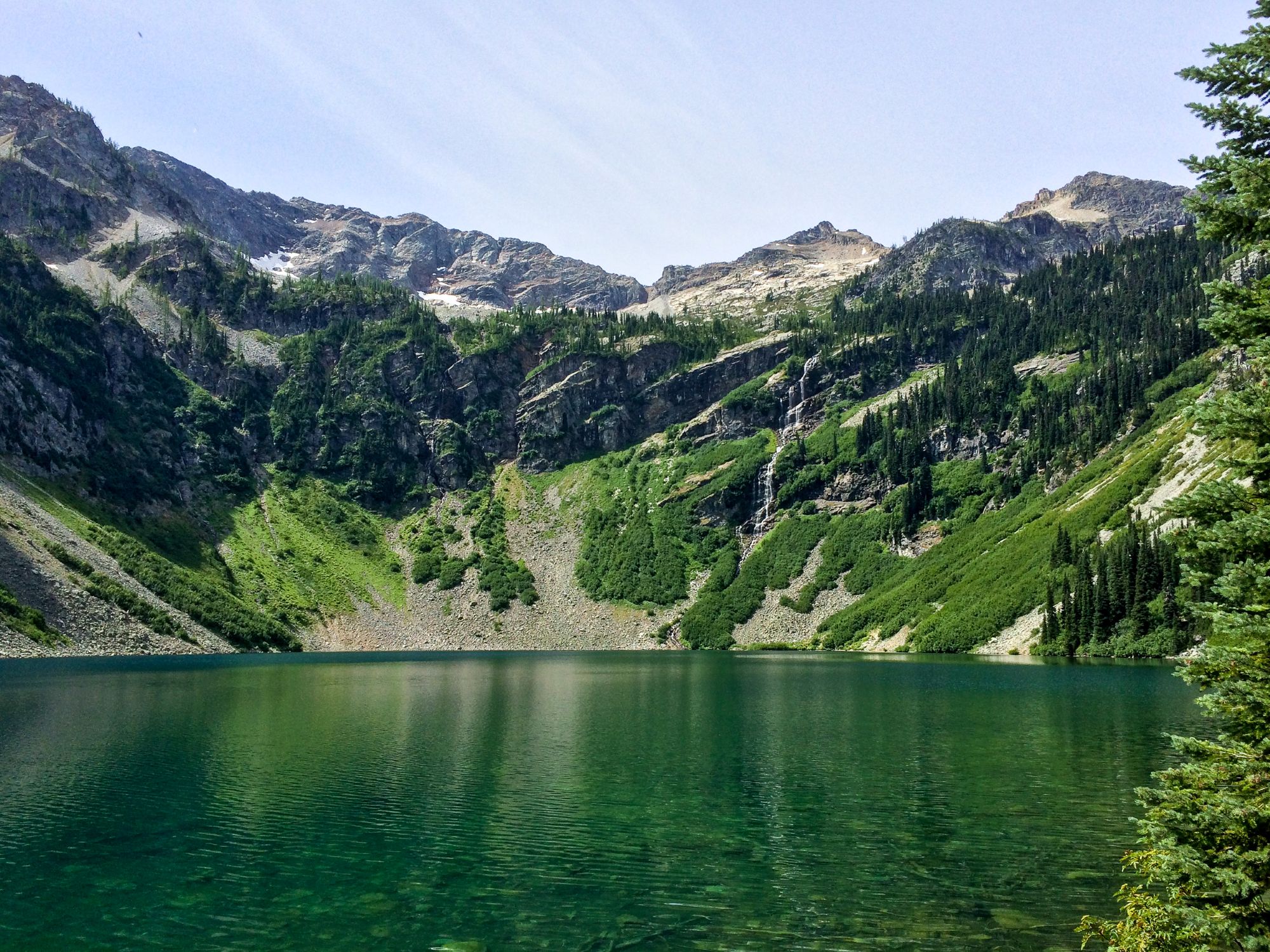
Rainy Lake in the North Cascades near Rainy Pass | CC BY 2.0
Get Rainy Pass and SR-20 planning updates
Quick Decision Guide
Pick Rainy Pass only if you want a trailhead stop. If your group only wants a fast view with minimal walking, keep going east to Washington Pass Overlook instead.
- Short stop or mixed ability: Choose Rainy Lake if SR-20 is open and parking works. It is the easiest Rainy Pass option and starts from the same trailhead area near SR-20 milepost 158.
- Half-day hike: Choose Lake Ann if you want more than Rainy Lake but less commitment than Maple Pass.
- Main hike of the day: Choose Maple Pass only if you are starting early, have stable weather, and are willing to make Rainy Pass the anchor of the day. Check out our full Maple Pass guide.
- Separate moderate hike: Choose Blue Lake if you want a different trailhead east of Diablo and closer to the Washington Pass zone. Do not treat it as part of the Rainy Pass lot. Check out our full Blue Lake Trail guide.
- Late start, poor weather, or tired group: Use Rainy Lake or Washington Pass Overlook. Do not force Maple Pass when the day is already slipping.
What Rainy Pass Actually Is
Rainy Pass is mostly a trailhead and picnic area on the high section of Highway 20. It sits well after Marblemount, after Newhalem, and east of Diablo Lake when driving toward Washington Pass.
The practical job of Rainy Pass is simple: park, use the trailhead facilities if available, and choose a walk or hike. The Forest Service describes the Rainy Pass Picnic Site as a paved forested trailhead with picnic spots and access to Rainy Lake Trail, Lake Ann, and Heather-Maple Pass Loop (Rainy Pass Picnic Site).
Services: Do not drive to the pass expecting gas, food, lodging, or a visitor center. Handle those needs before you pass Marblemount and Newhalem, because Rainy Pass is too far up the corridor to fix basic trip mistakes.
Access: Rainy Pass depends on SR-20 being open through the high country. The site is not accessible during the winter closure of the North Cascades Scenic Highway, and opening dates vary by year (WSDOT opening history).
Choose the Right Stop
Rainy Lake: This is the best Rainy Pass choice for kids, tired travelers, late-day plans, and mixed-ability groups. The trail is paved, reaches Rainy Lake in 1 mile, and has accessible parking and toilet access listed by the park service (Rainy Lake accessibility).
Tip: The paved surface does not mean “always easy.” Snow can cover the trail until late June, so check conditions before using Rainy Lake as an accessibility-dependent plan.
Lake Ann: Choose Lake Ann if you want a real hike without committing to the full Maple Pass Loop. WTA lists Lake Ann from Rainy Pass at 3.4 miles roundtrip with 700 feet of elevation gain (Lake Ann trail details).
Maple Pass: Choose Maple Pass when this is the main event. WTA lists Heather-Maple Pass Loop at 7.2 miles roundtrip with 2,020 feet of elevation gain, so it belongs in a full hiking plan, not a casual stop between Diablo and Washington Pass. Check out our full Maple Pass guide.
Blue Lake: Blue Lake is nearby in the broader high SR-20 zone, but it uses a different trailhead. It is a better fit when you want one moderate out-and-back lake hike instead of the shared Rainy Pass decision point. Check out our full Blue Lake Trail guide.
Washington Pass: Choose Washington Pass Overlook if the group wants the quickest mountain-view stop with the least trail commitment. It beats Rainy Pass when time, daylight, weather, or group energy is the limiting factor. Check out our Washington Pass Viewpoints guide.
Plan A and Plan B
Plan A: If SR-20 is open, weather is stable, and you arrive early enough for parking, make Rainy Pass your trailhead decision. Pick one main objective: Rainy Lake, Lake Ann, or Maple Pass.
Plan B: If parking is full, the group is tired, or clouds are dropping over the high country, do not keep forcing the same plan. Use Rainy Lake if you already parked safely, or shift to Washington Pass Overlook for a lower-commitment stop.
Late-day rule: Rainy Lake is the better fallback than Maple Pass when the day is already running late. Maple Pass needs time, daylight, and enough energy to finish the loop safely.
Group split: If some people want the easy walk and others want the bigger hike, Rainy Pass can work well because Rainy Lake and Maple Pass start from the same trailhead area. Set a clear meeting plan before anyone loses cell service.
Do not try to stack Rainy Lake, Lake Ann, Maple Pass, Blue Lake, and Washington Pass into one casual day. For most 1-day visitors, the smarter plan is one main hike plus one short stop.
Parking, Passes, and Access
Rainy Pass Trailhead is near SR-20 milepost 158. WTA places the Rainy Lake start at the Rainy Pass Trailhead and notes parking on the west side of the highway, with the trail starting at the south end of the lot (Rainy Lake directions).
Parking: This lot serves more than one destination. Rainy Lake walkers, Lake Ann hikers, and Maple Pass hikers can all be competing for the same general trailhead area. Parking fills very fast. If you want to avoid issues, arrive early in the day, especially during peak summer season.
If the lot is full, do not park unsafely along SR-20 or block access. The better move is to switch plans before the parking problem eats the whole day.
A Northwest Forest Pass or accepted recreation pass is required for parking at Rainy Lake, and the Forest Service also lists digital day pass and interagency pass options for the Rainy Pass site (pass details).
Tip: Download maps and save your next stop before Newhalem or Diablo. Once you are near Rainy Pass, do not rely on live service to solve route, weather, or trailhead questions.
Common Rainy Pass Mistakes
- Confusing Rainy Pass with Washington Pass: Rainy Pass is the trailhead choice. Washington Pass is the quick-view choice.
- Calling Rainy Lake “fully easy” without checking snow: The trail is paved, but snow can remain into late June.
- Starting Maple Pass too late: Maple Pass is a main hike, not a side stop after several overlooks.
- Using Blue Lake as Rainy Pass overflow: Blue Lake is nearby, but it has its own trailhead and parking situation.
- Waiting until Rainy Pass to solve supplies: Food, fuel, and lodging decisions need to happen before the high SR-20 corridor.
- Ignoring the closure zone: If SR-20 is closed before the high passes, Rainy Pass, Maple Pass, Blue Lake, and Washington Pass may all be off the table.
Related Guides
Disclaimer: Conditions, road access, parking, snow, smoke, and trail rules can change quickly near Rainy Pass and the high SR-20 corridor. Check current WSDOT, NPS, USFS, weather, and trail information before leaving reliable cell service.