Berry Season and Legal Berry Picking Near the North Cascades Highway
Last updated: July 2026
Berry season near the North Cascades Highway is not one fixed window. Lower west-side berries can start in early summer, while huckleberries and salal are usually more realistic later in summer and into early fall, especially as you move higher toward Rainy Pass, Washington Pass, and the Mazama side.
The main planning rule is simple: know which land manager you are on before you pick. The best berry trip near SR-20 is usually a legal hike or stop where berries are a bonus, not a harvest mission.
Get North Cascades planning updates before your trip so you can adjust for smoke, closures, road access, and seasonal timing.
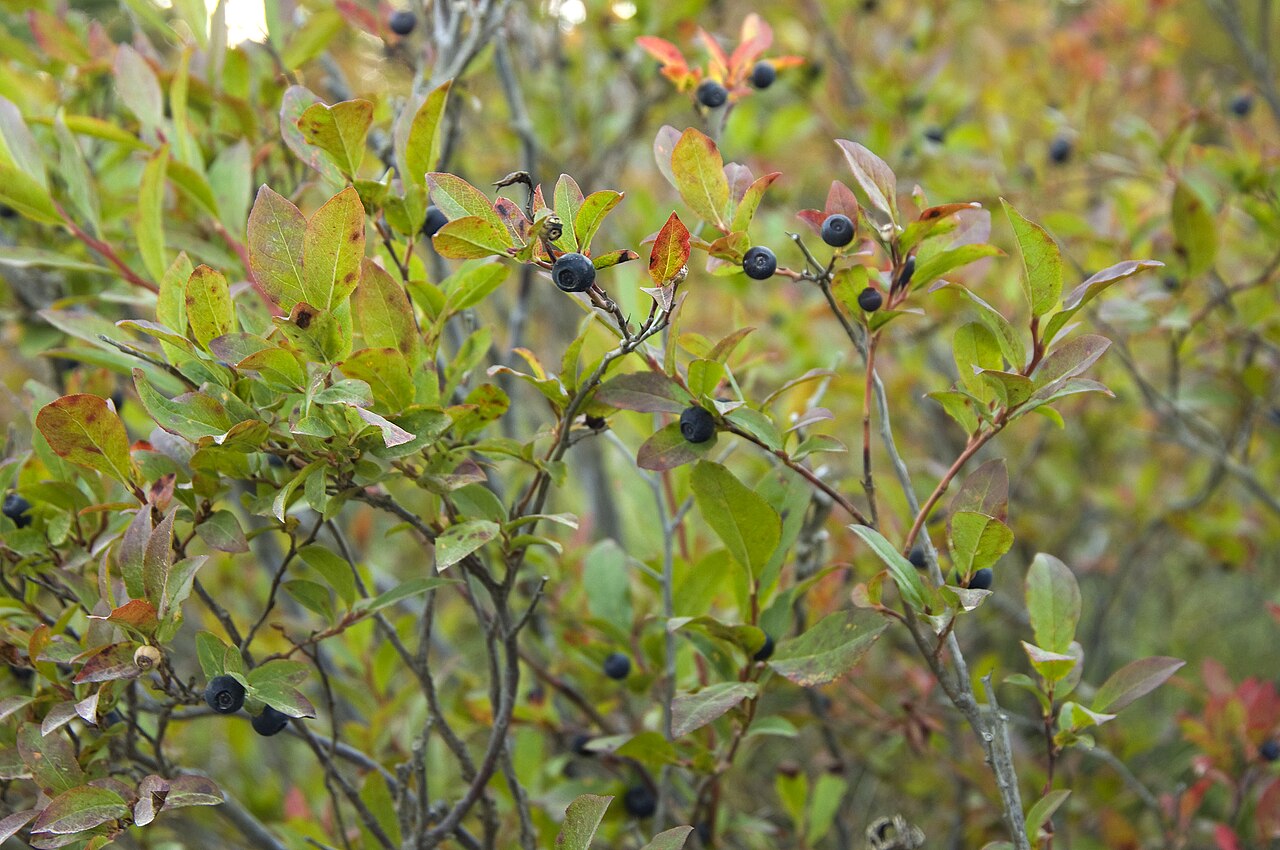
Photo: Wild huckleberries growing on a low forest shrub | U.S. Forest Service
Quick Decision Guide
Best all-around berry window: Late July through September is the most useful window for casual SR-20 visitors. June can work for lower west-side berries, but it is usually too early to expect huckleberries near the high passes.
If you only want a trail snack: Keep it small, pick by hand, and stay within the rule for the land you are on. Inside the North Cascades park complex, edible fruits and berries are limited to one liter, or one quart, per person per day.
If you want to collect more than a handful: Focus on national forest land where the current forest product rules allow personal-use harvest. Do not assume the same rule applies east and west of the pass.
If you are with kids: Look for lower-risk, easy-access habitat such as sunny clearings, forest edges, and low roadside thickets where picking is clearly legal. Avoid fragile high-country meadows and unclear private boundaries.
If smoke, rain, or parking breaks the plan: Treat berry picking as optional. Switch to a short-walk, services, or scenic-stop day instead of driving farther into the corridor looking for berries.
Month-by-Month Timing
Berry timing changes with elevation, snowpack, heat, rain, and the side of the mountains you are on. Use these windows as planning ranges, not promises.
June: Look lower and wetter. This is the better window for salmonberries on the west side, especially in wet forest edges, streambanks, and lower roadside thickets before and around the Marblemount side of the corridor. Wild strawberries can also appear in open low areas, but the yield is usually small.
July: Thimbleberries, blackberries, and salal become more realistic. This is when lower and mid-elevation areas improve, especially sunny clearings, open forest edges, and disturbed road margins. Huckleberries may start in some lower areas, but a casual visitor should not count on them yet near Rainy Pass or Washington Pass.
August: This is the strongest general month. Huckleberries become much more realistic, salal continues, blackberries continue, and higher-elevation areas start to matter. If you are driving east of Diablo toward Rainy Pass, Washington Pass, Cutthroat, or Mazama, this is the month when berry season starts to feel like part of the high-country trip.
September: Higher elevations can still be good for huckleberries and salal, especially earlier in the month. The tradeoff is smoke risk, shorter days, cooler nights, and early weather changes near the passes. If the weather is unsettled, do not chase berries into exposed high-country trailheads.
October: Treat berries as a leftover bonus, not a dependable reason to go. Fall color, larches, smoke cleanup, and early snow risk matter more than berry picking by this point.
Common mistake: People hear “berry season” and aim for one famous high trail too early. Lower west-side berries and high-pass huckleberries do not peak at the same time.
What Berries to Expect
This is a planning guide, not a plant identification guide. Do not eat any wild berry unless you are certain of the identification.
- Salmonberry: One of the earliest useful berries. Look for it in low, wet west-side habitat such as streambanks, wet roadsides, and moist forest edges. Best planning window is usually late May through June.
- Wild strawberry: Possible in open low areas and sunny edges. It is edible but small, so it is better treated as a fun find than a real harvest target.
- Trailing blackberry: A native blackberry that can show up on sunny slopes, open edges, and clearings. It can run from summer into early fall.
- Himalayan blackberry: Common on disturbed lowland edges and roadsides. It is invasive and often easy to find, but roadside dust, ownership, and access make it a poor reason to stop randomly along SR-20.
- Thimbleberry: Often found in sunny clearings, thickets, and open margins. It is usually a mid-summer berry, often more useful in July and August than in early June.
- Huckleberries: The main late-summer berry most visitors hope for. Red huckleberries are more associated with west-side forest habitat, while blue or mountain huckleberry types become more relevant in higher and drier mountain settings. August and September are the main planning months.
- Salal: Common in evergreen understory and forest-floor habitat. It usually ripens from mid-summer into September and is more useful for people who already know what they are looking at.
- Serviceberry: More relevant in drier open woods and east-side settings than in the wet west-side park corridor. Treat it as a Methow-side possibility, not a primary SR-20 target.
- Elderberry and Oregon grape: Mentioned here only as caution berries for casual visitors. Some species or preparations require care. Do not eat these casually from a roadside unless you know the plant and the safe use.
My practical take: For most Highway 20 visitors, the realistic public-guide targets are salmonberry early, thimbleberry and blackberry in mid-summer, and huckleberry or salal later in the season.
Where to Search
Think in habitats, not secret patches. The goal is to notice likely places while you are already on a legal route.
Wet stream edges and low west-side brush: This is where salmonberries make the most sense. Pay attention before and around the Marblemount side of the corridor, especially in lower, wetter forest settings. Do not step into private land or block narrow roads to reach a patch.
Sunny clearings and thickets: Thimbleberries and blackberries are more likely where the forest opens up. Look along legal trail margins, clearings, and disturbed edges. These spots are often better for families than steep high-country trailheads.
Open forest margins and old disturbed areas: Huckleberries often like more light than deep shade. Forest edges, open slopes, old cuts, and some burned or disturbed areas can be better than dark closed-canopy forest.
Shaded evergreen understory: Salal is more of a forest-floor berry. It can be common, but it is not always a quick-pick berry for first-timers. If you do not know the plant well, use a field guide before eating it.
Subalpine edges near the high passes: Later in summer, huckleberry-type berries can become more likely as you move uphill toward Rainy Pass, Washington Pass, and the Mazama approach. This does not mean walking off trail into fragile meadows. Stay on durable surfaces.
Drier east-side openings: Around the Methow side, serviceberry and huckleberry-type habitat become part of the picture. This is also where Okanogan-Wenatchee National Forest rules matter, so check the current permit guidance before collecting.
Corridor Zones
Concrete, Rockport, and the lower Skagit approach: This is the better early-season side for lowland berries, especially salmonberry and blackberry-type habitat. It beats the high passes in June because it is lower and warmer, but the tradeoff is ownership confusion. State parks, county parks, roadsides, and private land do not all follow the same rule.
Marblemount and Cascade River Road: This is the main west-side decision point. It can make sense for people already using Cascade River Road or nearby national forest areas, but road access and jurisdiction matter. Check the Cascade River Road Access Guide before treating that side road as part of the plan.
Newhalem, Diablo, and Ross Lake corridor: This area is better for incidental berries than berry picking as the main activity. The park-complex personal-use limit is small, and the more useful visitor role here is short walks, campgrounds, visitor information, and lake stops.
Rainy Pass: This is a later-season high-country zone. It can be useful for huckleberry timing, but it should not be treated as a berry destination. Parking, pass access, weather, and fragile vegetation matter more than the possibility of berries.
Washington Pass, Blue Lake, Cutthroat, and Maple Pass area: These are high-demand trail zones, not casual berry-picking zones. Berries may be present later in the season, but this area is best used by hikers who already have an early start and a legal plan. Do not park illegally or widen fragile trails to reach berries.
Mazama, Early Winters, and the Methow side: This is the better base if your day is focused east of Washington Pass. It beats Marblemount for early access to Cutthroat, Blue Lake, and the high pass side, but it does not help if your real goal is Newhalem, Diablo, or Cascade River Road. Check Okanogan-Wenatchee forest product rules before collecting.
Baker Lake Road: Use this only if your trip is already about Baker Lake camping, lake access, or a west-side forest detour. It is not a quick fallback once you are deep in the Highway 20 park corridor.
For stop planning before you leave town services, use Food, Fuel, and Services. Berry season can make people stay out longer than planned, and that matters once you are east of Marblemount and Newhalem.
Legal Rules and Sources
The legal rule changes by land manager. Do not use one rule for the whole corridor.
- North Cascades National Park Service Complex: Edible fruits and berries may be gathered for personal use, limited to one liter, or one quart, per person per day. This applies to the park-complex rule, but it does not turn the park corridor into a harvest area.
- Mt. Baker-Snoqualmie National Forest: Wild berries are listed under free-use personal special forest products. The current listed amount is five gallons per year, with permit duration varying by ranger district.
- Okanogan-Wenatchee National Forest: Most forest products require a permit or other authorization. Contact the nearest forest office for current berry or forest-product permit availability.
- Washington State Parks: Recreational harvest of edible fruiting bodies, including berries, is allowed up to two gallons per person per day unless otherwise posted.
- Private, tribal, town, and roadside land: Assume picking is not allowed unless you have permission or a clearly posted public rule that allows it.
Common mistake: A berry patch near a road or parking area can still be on private land, state land, park land, or national forest land. The plant does not tell you the rule.
- NPS Compendium — park-complex personal-use berry limit.
- MBS Forest Products — Mt. Baker-Snoqualmie wild berry permit and amount.
- Okanogan-Wenatchee Permits — east-side forest product permit guidance.
- State Parks Rule — Washington State Parks personal-use limit.
- WDFW Berry Timing — huckleberry, salmonberry, salal, and habitat timing.
- WTA Berry Tips — general elevation timing and current trip-report habit.
- Park Road Conditions — current park road access.
- WSDOT SR-20 — current North Cascades Highway pass status.
- AirNow Smoke — wildfire smoke and air quality check.
Plan A and Plan B
Plan A: late July through September, clear enough air, legal land, and berries as a bonus. Pick a main trip first. That may be a Newhalem and Diablo day, a Rainy Pass stop, a Washington Pass hike, a Mazama-based outing, or a Baker Lake detour. Then look for berries only where the land rule is clear.
Two-hour version: Stay near the stop you already planned. Around Newhalem and Diablo, keep berries incidental under the park limit. Around Marblemount or Mazama, use the stop to check services and rules before heading farther out.
Half-day version: Pair berry season with a short walk, picnic stop, campground stay, or legal forest edge. This works better than driving to a crowded high trailhead just to search for berries.
Full-day version: If SR-20 is open and smoke is acceptable, you can let elevation guide the day. Earlier in the season, think lower and west. Later in the season, higher zones near Rainy Pass, Washington Pass, and the Methow side become more relevant.
Plan B: smoke, rain, closure, or full parking. Do not keep driving deeper just because you hoped for berries. Switch to short walks, services, scenic stops, or a lower-friction backup plan. Check Current North Cascades Conditions and the Seasonal Access Guide before you commit.
Safety: Berry patches attract wildlife. Store picked berries like food, especially at campgrounds and picnic areas. Do not leave berry containers, juice, wrappers, or scented trash loose in camp or in a vehicle where food-storage rules apply.
What I would do: If I were driving west to east, I would handle fuel, food, and bathrooms before leaving Marblemount or Newhalem. Then I would treat berries as a seasonal bonus if the legal setting, parking, and weather line up.
Related Guides
Disclaimer: Berry rules, road access, fire restrictions, smoke, parking, and food-storage requirements can change. Check the official source for the land manager you are visiting before collecting berries, and do not eat any wild plant unless you are certain of its identification.