When North Cascades Campgrounds Are Full: Where to Stay Instead
Last updated: May 2026
If North Cascades campgrounds are full, the trip is not automatically ruined. The right backup depends on when you arrive, whether you need comfort services, and whether your real goal is Newhalem, Diablo Lake, Cascade River Road, Baker Lake, Washington Pass, or just a reliable place to sleep near the SR-20 corridor.
The main mistake is driving east from Burlington, Sedro-Woolley, or Marblemount late in the day with no confirmed place to sleep. If it is Friday evening, Saturday, or your group needs showers, power, a normal check-in, or room for an RV or trailer, stop treating first-come camping as the whole plan.
Get North Cascades road and trip updates
Fast Answer
- Arriving late Friday or Saturday: Book a confirmed room, cabin, private campground, RV site, or public park site before driving deep into the corridor.
- Need showers, power, laundry, or easy check-in: Look at private campgrounds, RV parks, cabins, hotels, or state/county park backups. Most federal campgrounds are not built around comfort services.
- Trying to stay near Newhalem or Diablo Lake: Start with Marblemount, Rockport, Concrete, and public backups on the west side before widening to Burlington or Mount Vernon.
- Trying to hike Blue Lake, Maple Pass, Cutthroat, or Washington Pass: Consider Winthrop or Mazama instead. That turns the trip into an east-side base plan, not a Newhalem or Diablo Lake base plan.
- Everything close is full: Burlington or Mount Vernon are less mountain-like, but they give you more hotels, food, gas, and late-arrival margin.
Verify Before You Drive
Campground status, road access, fire restrictions, and reservation rules can change quickly. Before committing to a backup plan, check NPS camping status, Recreation.gov, North Cascades road conditions, and WSDOT SR-20.
Need a Confirmed Place to Sleep?
If campground uncertainty is becoming the main risk to the trip, switch from campsite hunting to base-area planning. A confirmed night in Marblemount, Rockport, Concrete, Burlington, Mount Vernon, Winthrop, or Mazama is usually better than driving around after dark hoping a site appears.
Should You Keep Trying for a Campground?
Maybe, but only if your timing supports it. North Cascades drive-in campgrounds along SR-20 use Recreation.gov during their reservation seasons, and some campgrounds may operate first-come before or after those seasons.
Newhalem Creek, Goodell Creek, and Colonial Creek are the main park-corridor campgrounds most visitors look for first. They are useful because they keep you close to Newhalem, Diablo Lake, Ross Dam access, short walks, and the scenic highway corridor. They are not good late-night backup plans if you have no confirmed site.
During peak season, some sites may be released far in advance and some closer to the trip date. Some unreserved sites may need to be claimed in person for one night only. That means a campground search can still be worth checking, but it should not be your only plan if you are already inside the trip week.
Practical rule: If you are more than a week out, keep watching Recreation.gov. If you are already inside the trip week, check once, then build a backup. If it is already Friday afternoon, stop treating the campground search as the whole plan.
When to Stop Chasing Campsites
Stop chasing campsites when failure would make the night unsafe, stressful, or miserable. This is most common for late arrivals, families with kids, RV travelers, and visitors who need bathrooms, showers, power, laundry, or a reliable check-in process.
Late arrival: If you are leaving Seattle, Everett, Bellingham, or the airport after work, do not plan around driving past Marblemount and hoping something opens. Cell service becomes less dependable as you move east, and your choices get narrower after Newhalem.
Comfort needs: If anyone in your group needs a shower, electricity, heat, laundry, or a firm arrival process, campground hunting is the wrong problem to solve. Look for lodging, private campgrounds, RV parks, state parks, or county parks instead.
Trip-saving move: Book one backup night if you are unsure. You can still hike, sightsee, and try for a campsite the next day if that still makes sense.
Public Backups That May Work Better Than Federal Sites
If the main federal campgrounds are full, do not automatically assume another small first-come federal campground is the best answer. Public state and county parks can be better backups because they may offer more predictable booking systems and more comfort services.
Rasar State Park (west of Concrete)
Rasar can work as a west-side public backup if your trip is still focused on the Skagit corridor, Marblemount, Rockport, Concrete, or a lower-risk west-side plan. It is not the same as camping inside the park corridor, but it can be a more realistic answer than driving farther east with no confirmed site.
Howard Miller Steelhead Park (Rockport)
Howard Miller Steelhead Park is useful when Rockport or the Skagit River corridor makes sense for the trip. It can also work as a practical backup for travelers who want to stay west of Marblemount rather than keep pushing toward Newhalem after dark.
Pearrygin Lake State Park (east of Washington Pass)
Pearrygin Lake is the strongest east-side public comfort backup if your trip is really about Winthrop, Mazama, Washington Pass, Blue Lake, Cutthroat, or Rainy Pass. It is not a good substitute for staying near Newhalem or Diablo Lake unless you are intentionally changing the whole trip.
Important: These are still real campgrounds and parks with their own booking rules, seasonal patterns, fees, and availability limits. Use them as planned backups, not as guaranteed last-minute saves.
Choose Your Backup by Trip Goal
If your goal is Newhalem, Diablo Lake, or Ross Lake access
Look first at Newhalem-area availability, then Marblemount, Rockport, and Concrete. This keeps you oriented toward the west-side park corridor and avoids turning the trip into a completely different itinerary.
Burlington or Mount Vernon can still work if everything closer is full, but they add more driving. They are best when reliability, food, fuel, and late check-in matter more than mountain atmosphere.
If your goal is Cascade River Road
Look around Marblemount first, then Rockport and Concrete. Marble Creek and Mineral Park can be useful developed public campground options when available, but they are rustic and should not be treated like hotel-style backups.
If your goal is Baker Lake
Baker Lake can be a good campground destination, but it is not a quick substitute for a Newhalem or Diablo Lake base. Use Baker Lake when you are willing to change the trip around the lake, Baker Lake Road, and nearby forest access.
If your goal is Washington Pass, Blue Lake, Maple Pass, or Cutthroat
Consider Winthrop or Mazama instead of trying to force a west-side base. This works especially well for early trailhead starts, larch-season trips, and east-side itineraries.
If your goal is just a reliable night
Choose the place with the most certainty. That may be a hotel in Burlington or Mount Vernon, a cabin or inn in Concrete or Rockport, a private campground, an RV park, or a state/county park with bookable availability.
Backup Cabins and Campsites
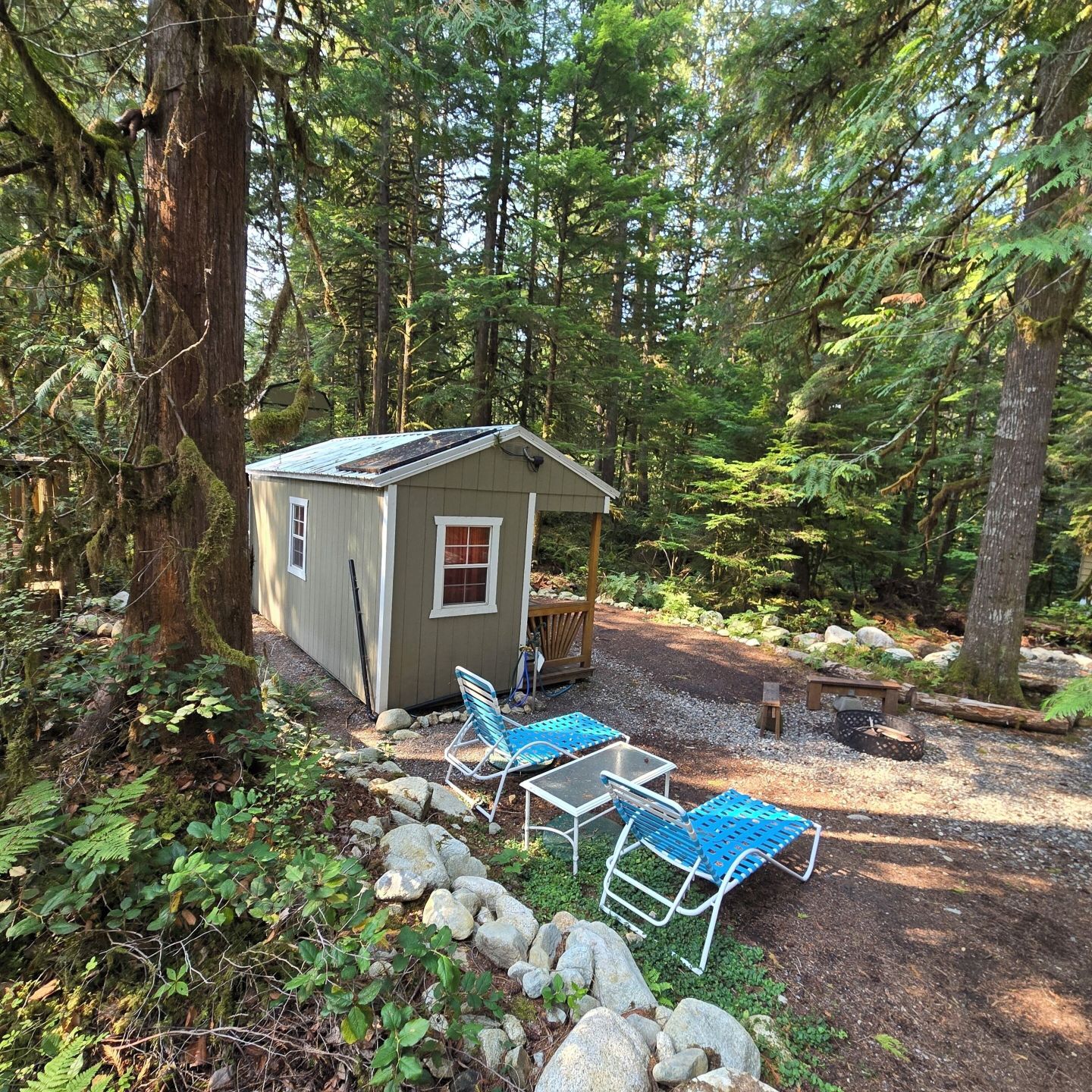
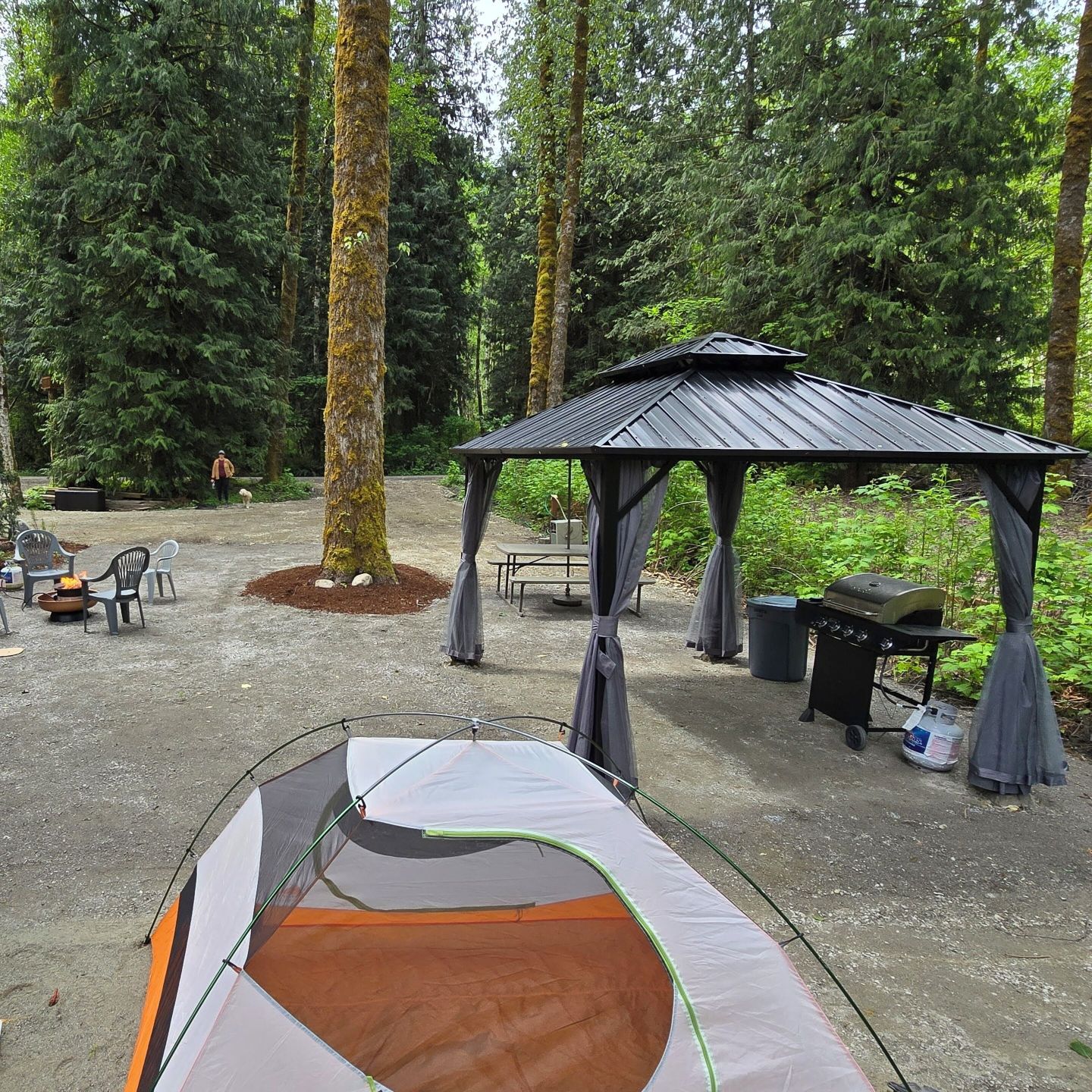
Cascade River Rustic Base Camp
RV and tent-oriented campsite built for car campers and van or RV users, with leveled pads, water hookup, gray-water disposal, and a new outdoor shower.
Best for: RV, van, and tent campers who want a more functional, serviced campsite rather than a cabin.
Tradeoff: this is explicitly not a standard bedded stay - it is essentially a camping setup with only a half-bath.
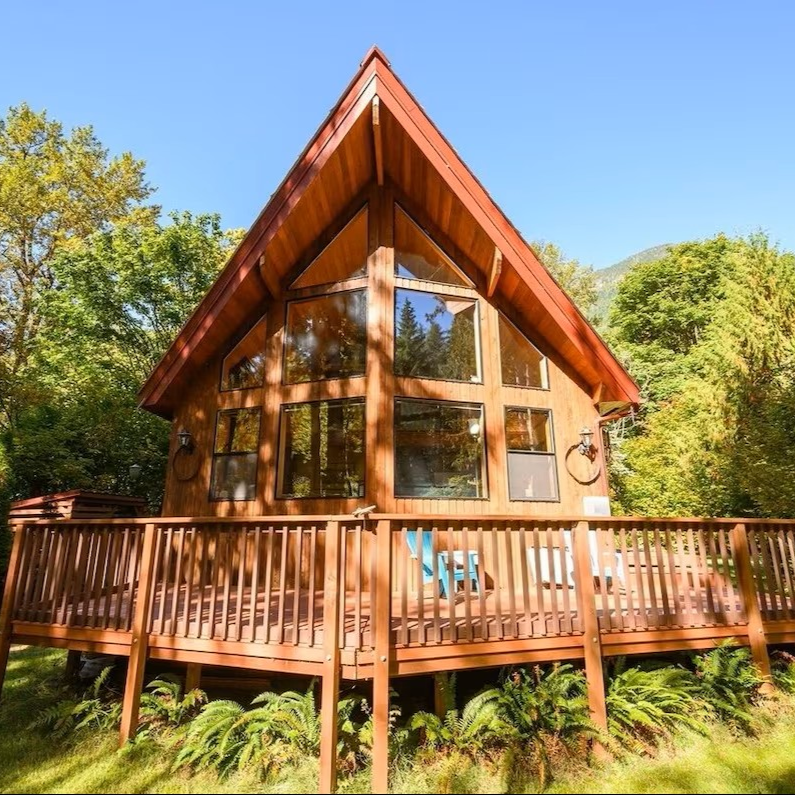
North Cascades Nook Camp
Double-sized off-grid campsite in Cascade River Park suited to tents, RVs, or vans near Little Boulder Creek and the Cascade River.
Sleeps: 8 | Amenities: double-sized campsite, fire pit, gated community setting
Best for: campers who want a straightforward scenic base in Marblemount and do not need cabin comforts.
Tradeoff: there is no bathroom on site - only a nearby porta potty - and the stay is clearly camping-first rather than comfort-first.
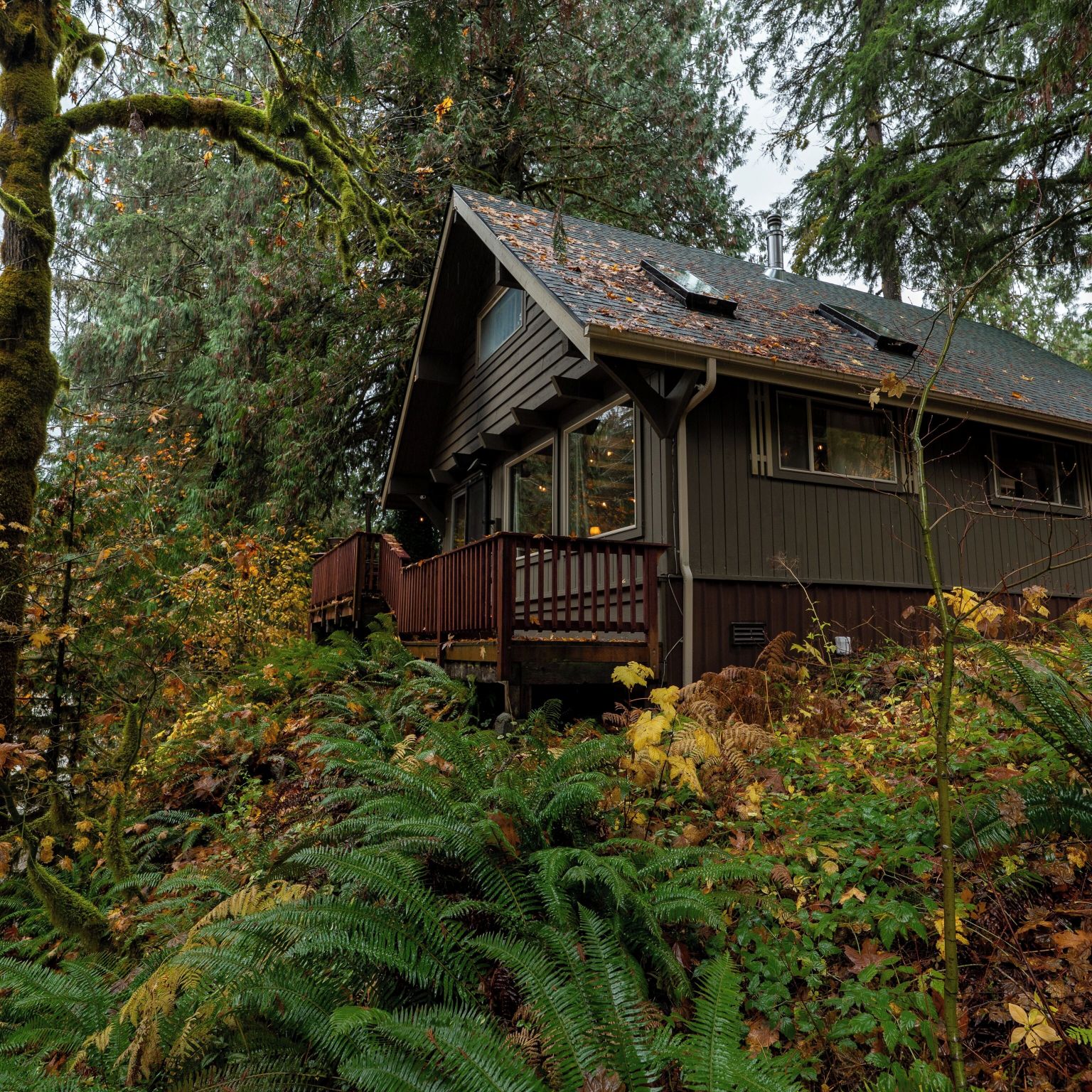
North Cascades River Song
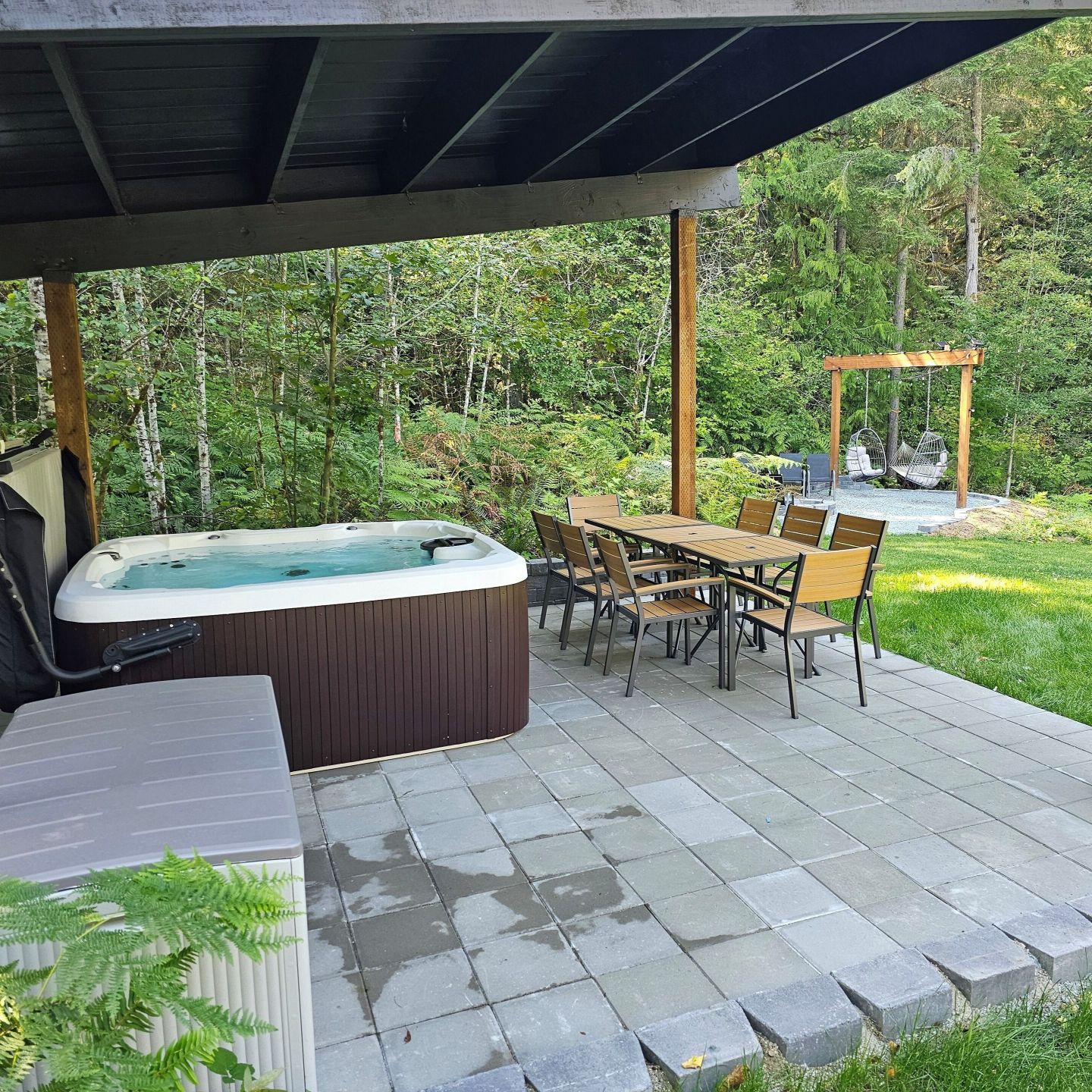
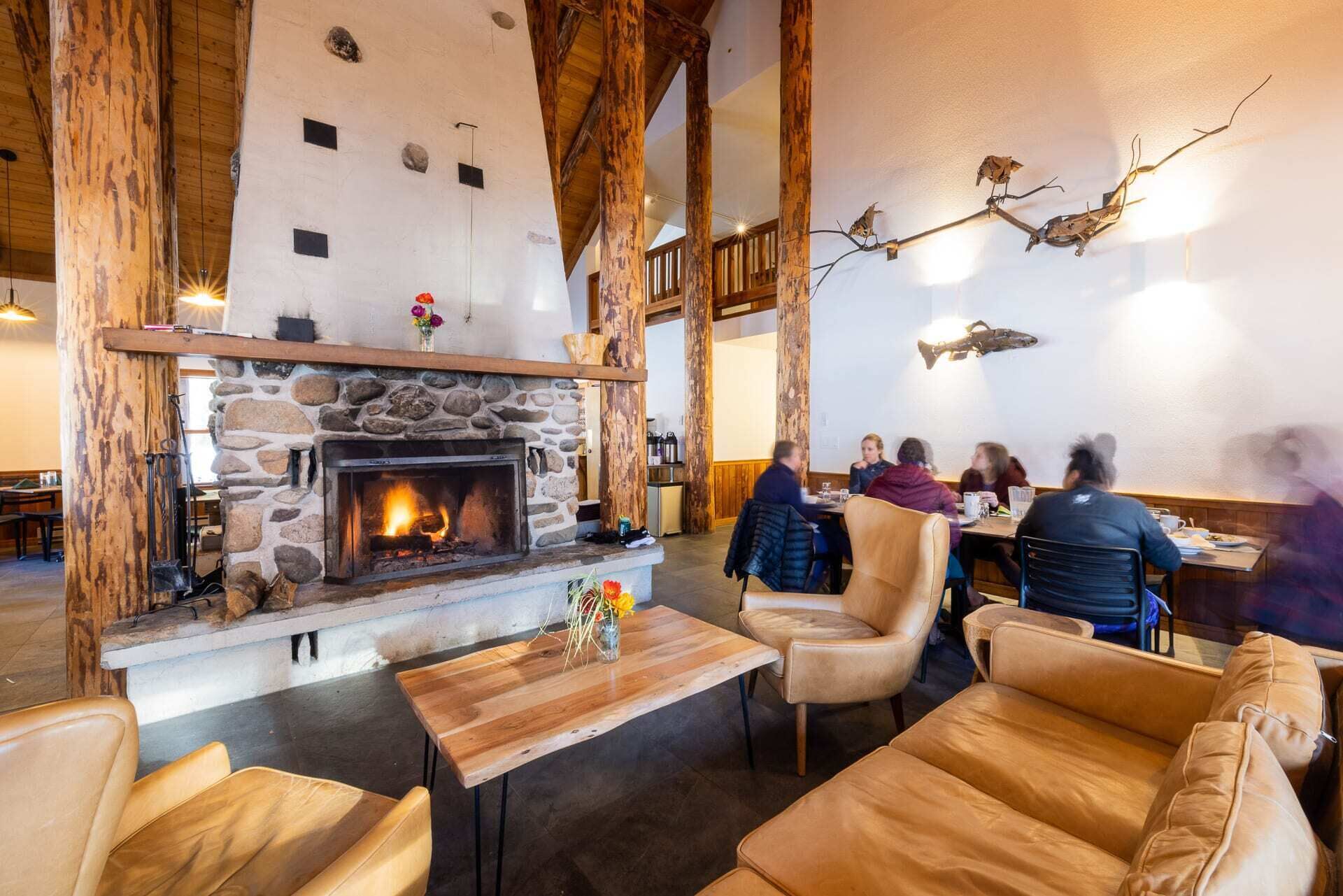
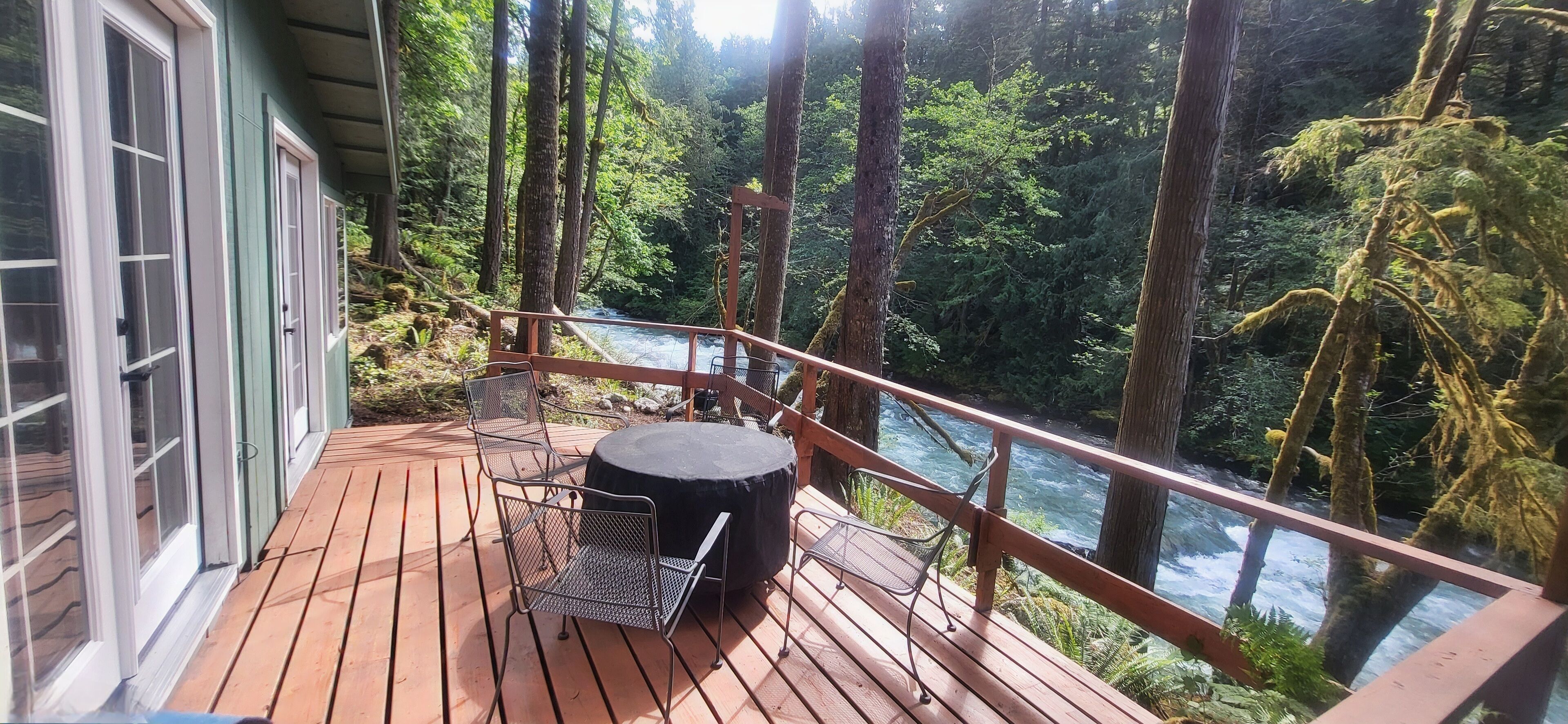
Spacious off-grid riverfront cabin with big Cascade River views, a deck, hot tub, and enough room for families or small groups.
Sleeps: 6 | Amenities: riverfront, hot tub for four, mountain view
Best for: families or friend groups who want a scenic riverfront base with real living space and hot-tub downtime.
Tradeoff: it is off-grid (minimal electricity) and requires caution around the fast river.
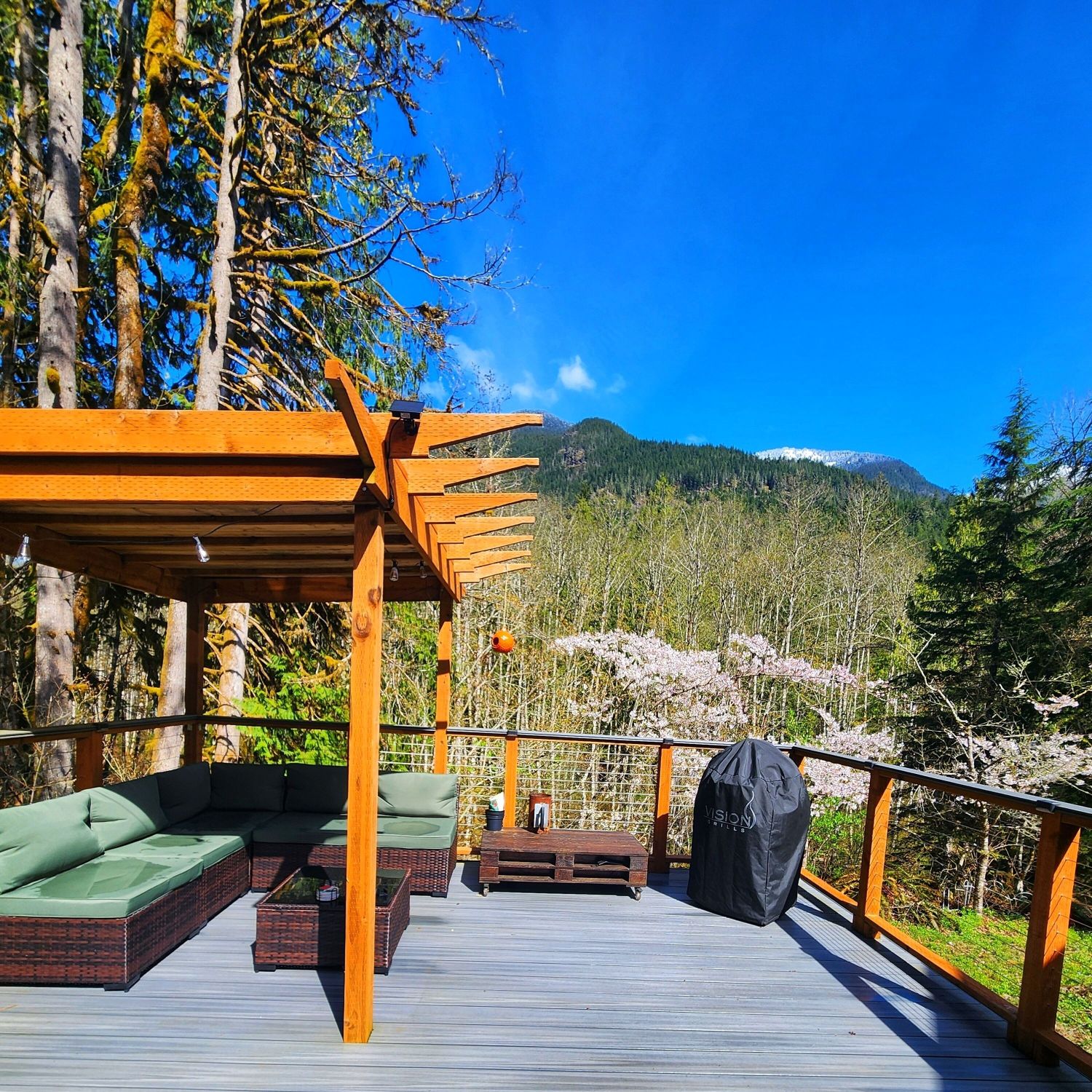
Cascade River Cabin
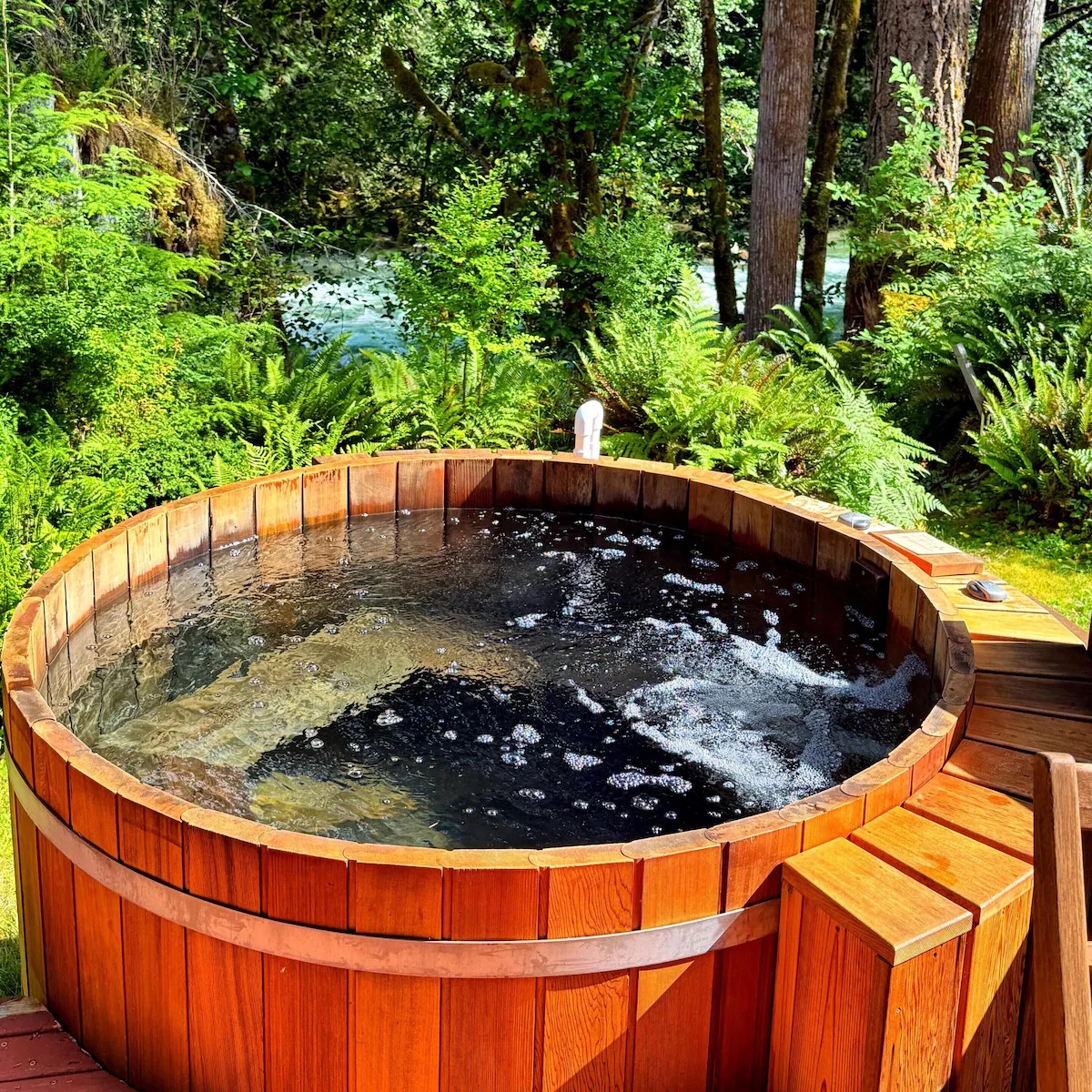
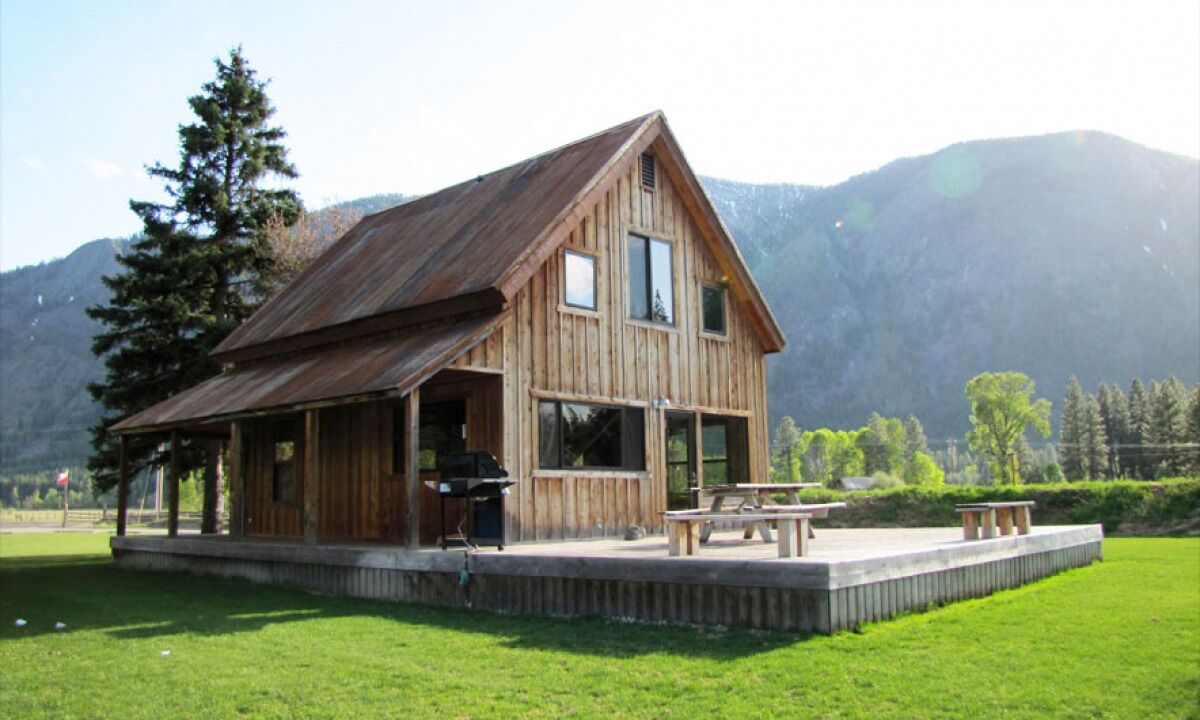
Cozy off-grid cabin tucked into the trees with river views, a deck, and a 3-person wood-fired hot tub.
Sleeps: 7 | Amenities: river view, wood-fired hot tub, deck
Best for: couples, families, or small groups who want a comfortable off-grid cabin with good indoor-outdoor hangout space.
Tradeoff: it is still an off-grid cabin, so the rustic feel is part of the stay rather than something hidden in the fine print.
Misty Mountain Cabin
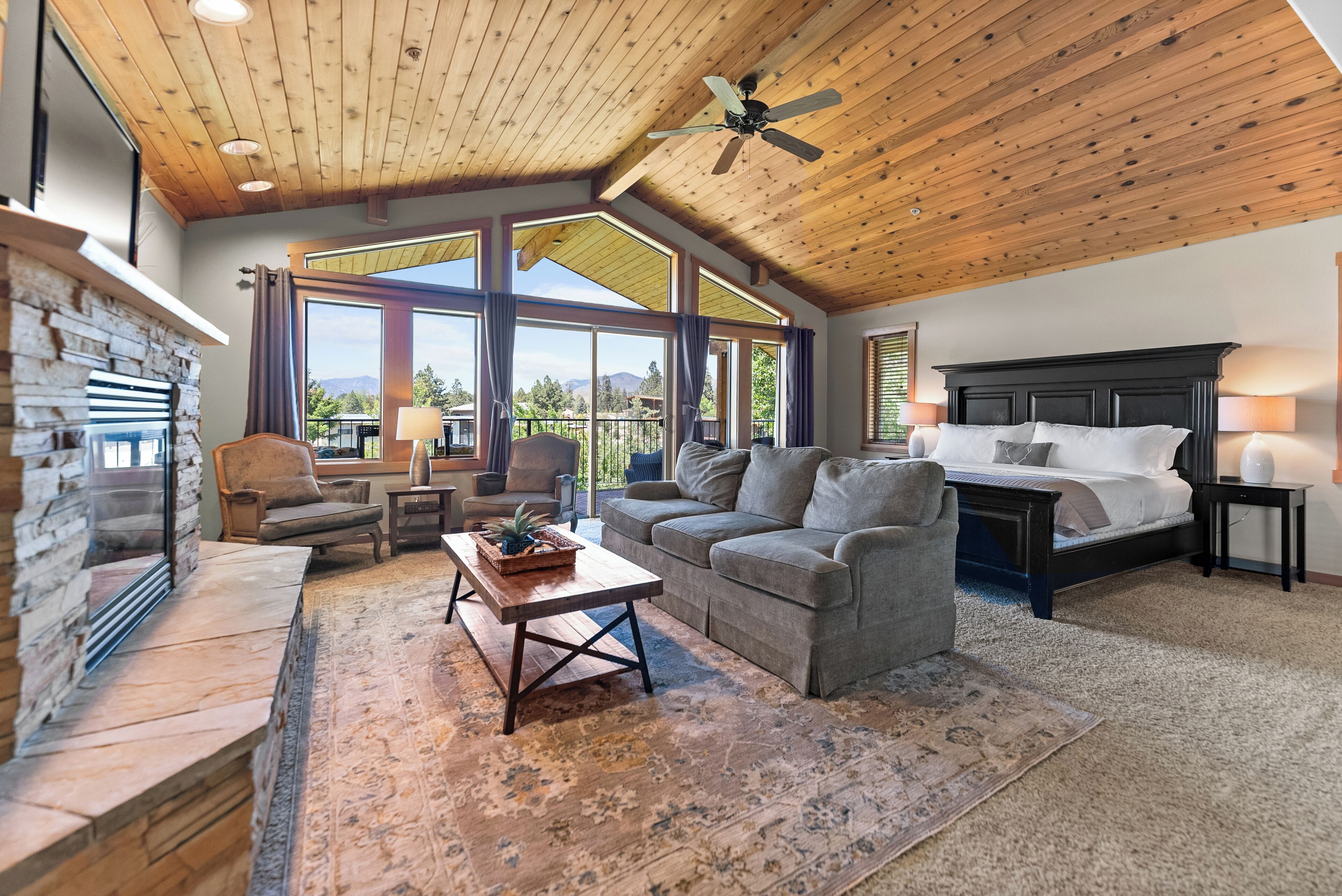
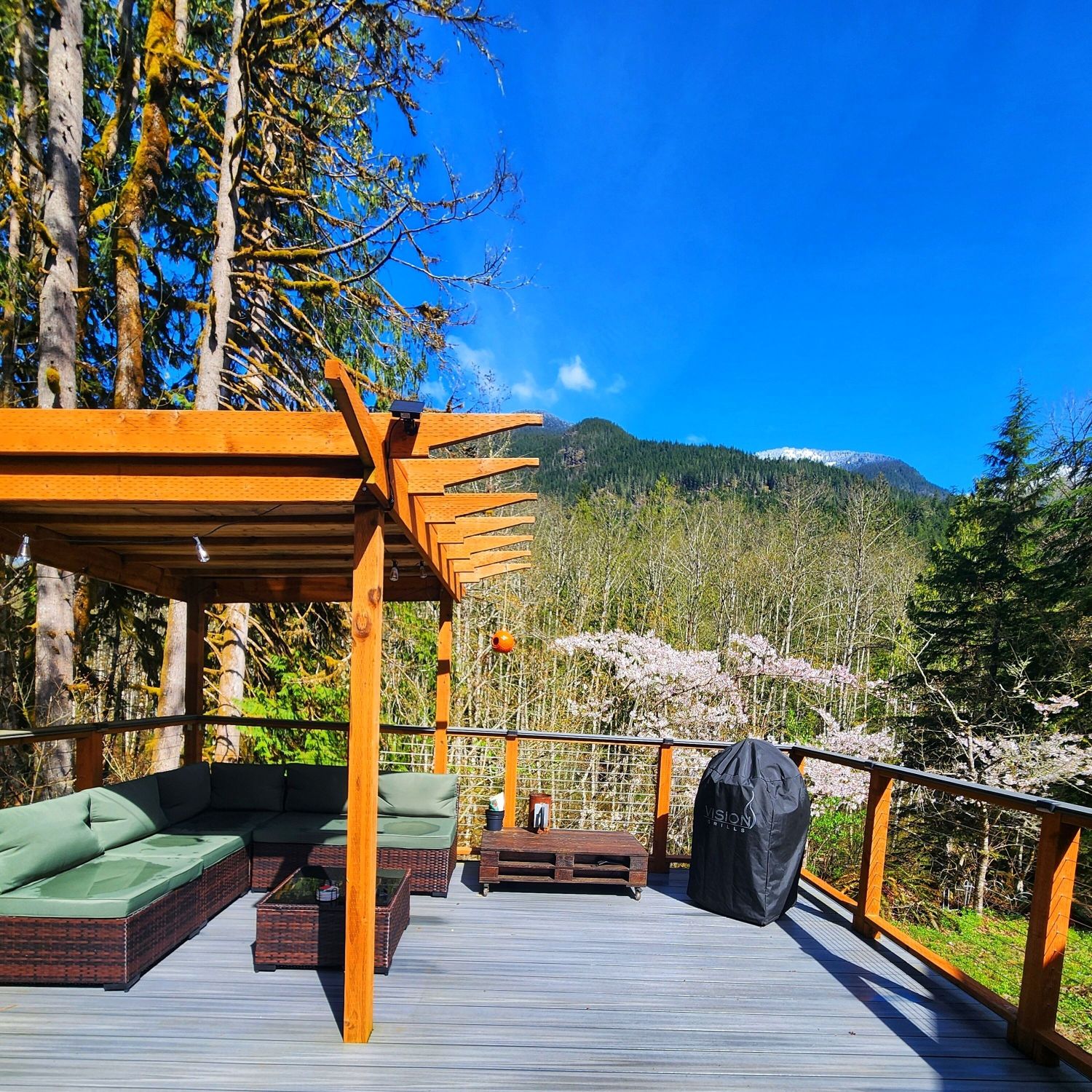
Bright off-grid cabin with strong Lookout Mountain views, a deck, soaking tub, massage chair, and work-friendly layout.
Sleeps: 4 | Amenities: mountain view, soaking tub, massage chair
Best for: a couple or small family that wants a cleaner, brighter cabin feel with mountain views and a few comfort upgrades.
Tradeoff: despite the comfort features, it is still framed as off-grid, so it is not the right pick for someone wanting a conventional fully serviced house.
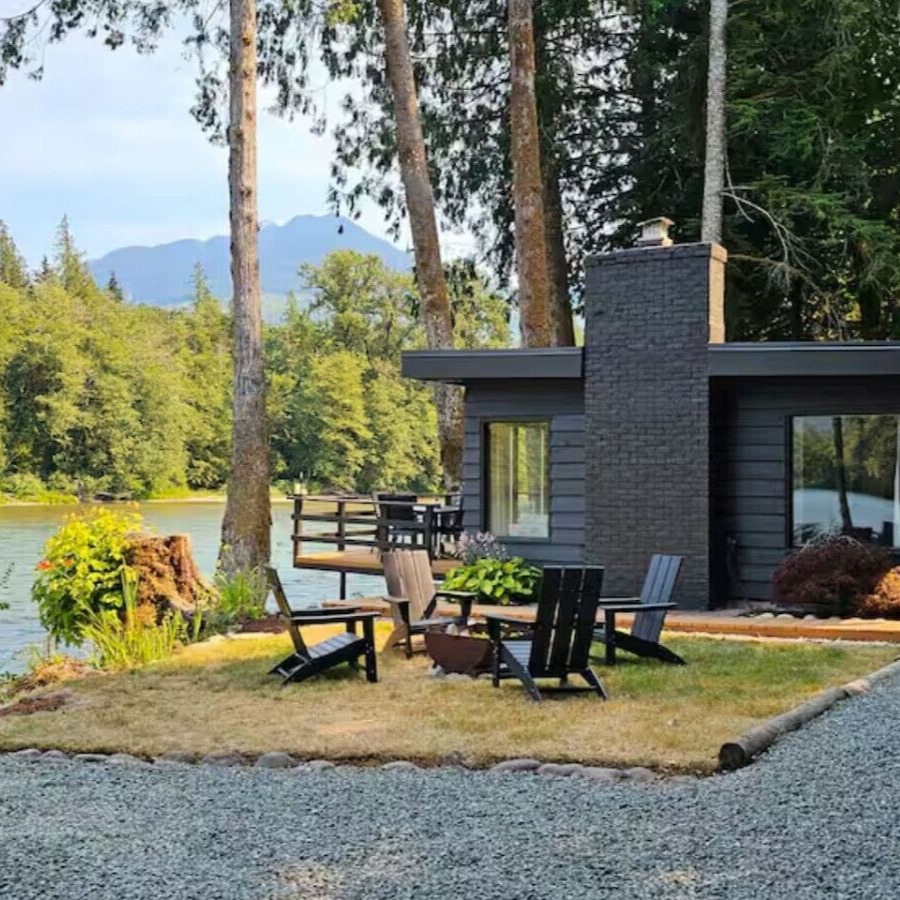
North Cascades Riverhouse retreat - hot tub, sauna
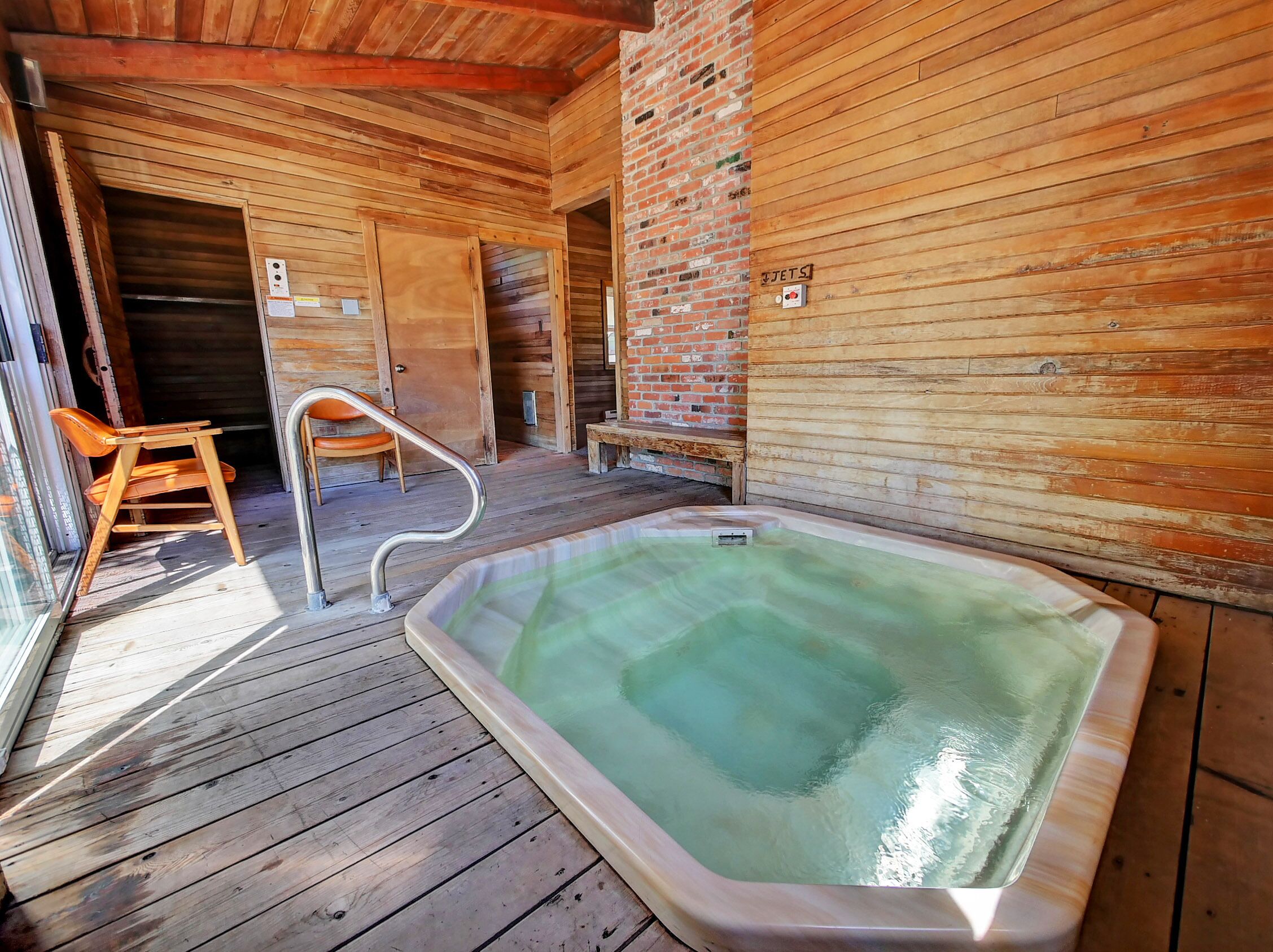
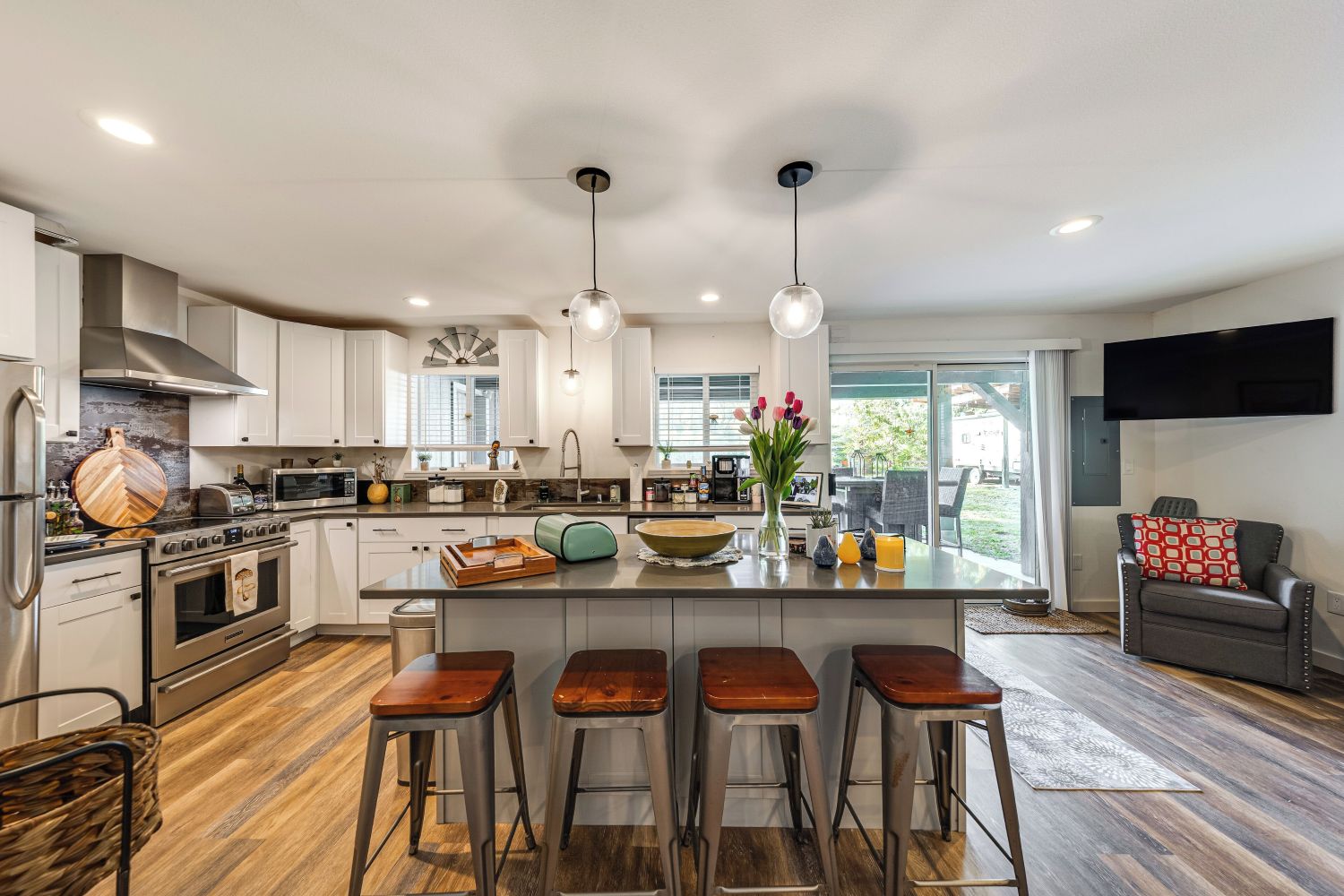
Private Marblemount vacation home positioned as a comfort-focused retreat with hot tub, sauna, kitchen, washer, and pet-friendly features.
Sleeps: 4 | Amenities: hot tub, sauna, kitchen, washer, pet-friendly
Best for: couples or small groups who want a more upscale private-base feel than a motel or standard cabin.
Tradeoff: it offers stronger amenities, but the price jump makes it a meaningfully bigger commitment than the basic Marblemount hotel options.
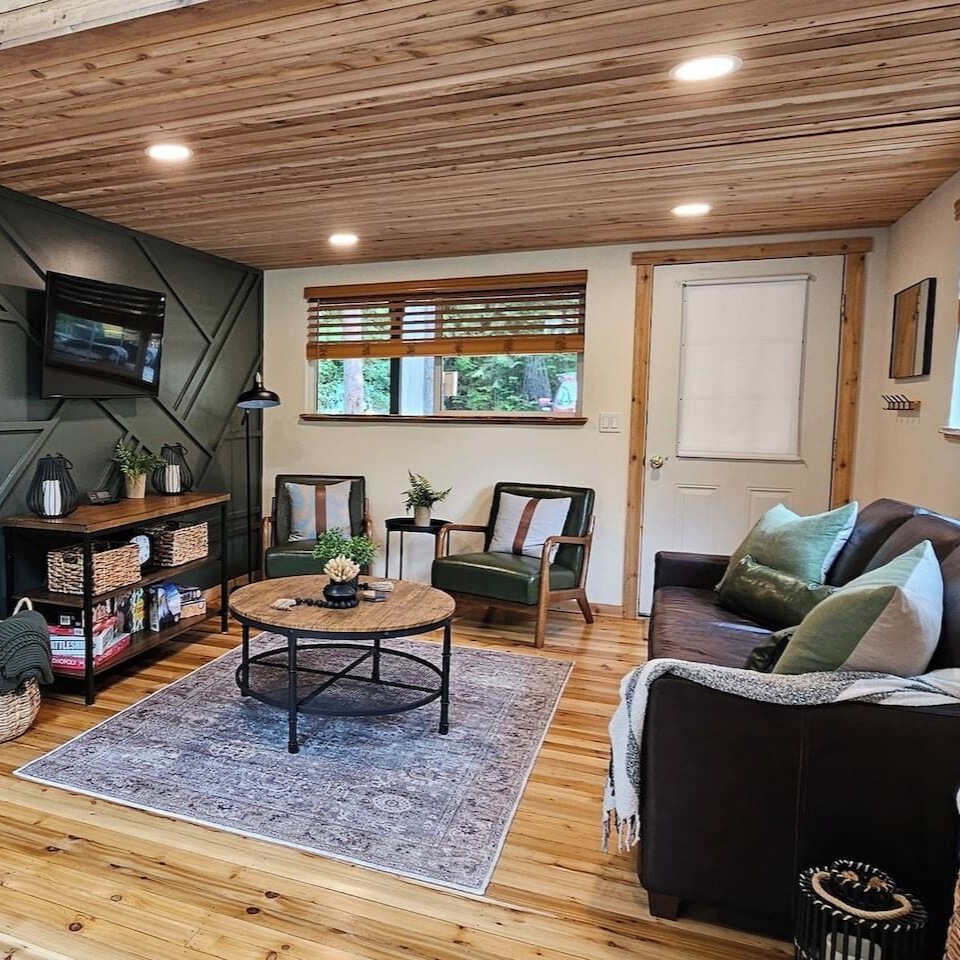
Cascade River Hideaway - Dogs welcome, off-grid
Small off-grid Marblemount cabin with dog-friendly positioning and a private-cabin feel aimed at park-access travelers.
Sleeps: 4 | Amenities: off-grid cabin setting, dog-friendly stay
Best for: visitors who want a simple private cabin near the Cascade River side of the corridor and do not need conventional hotel setup.
Tradeoff: the off-grid positioning is part of the appeal, but it also means less predictability and polish than a standard lodge stay.
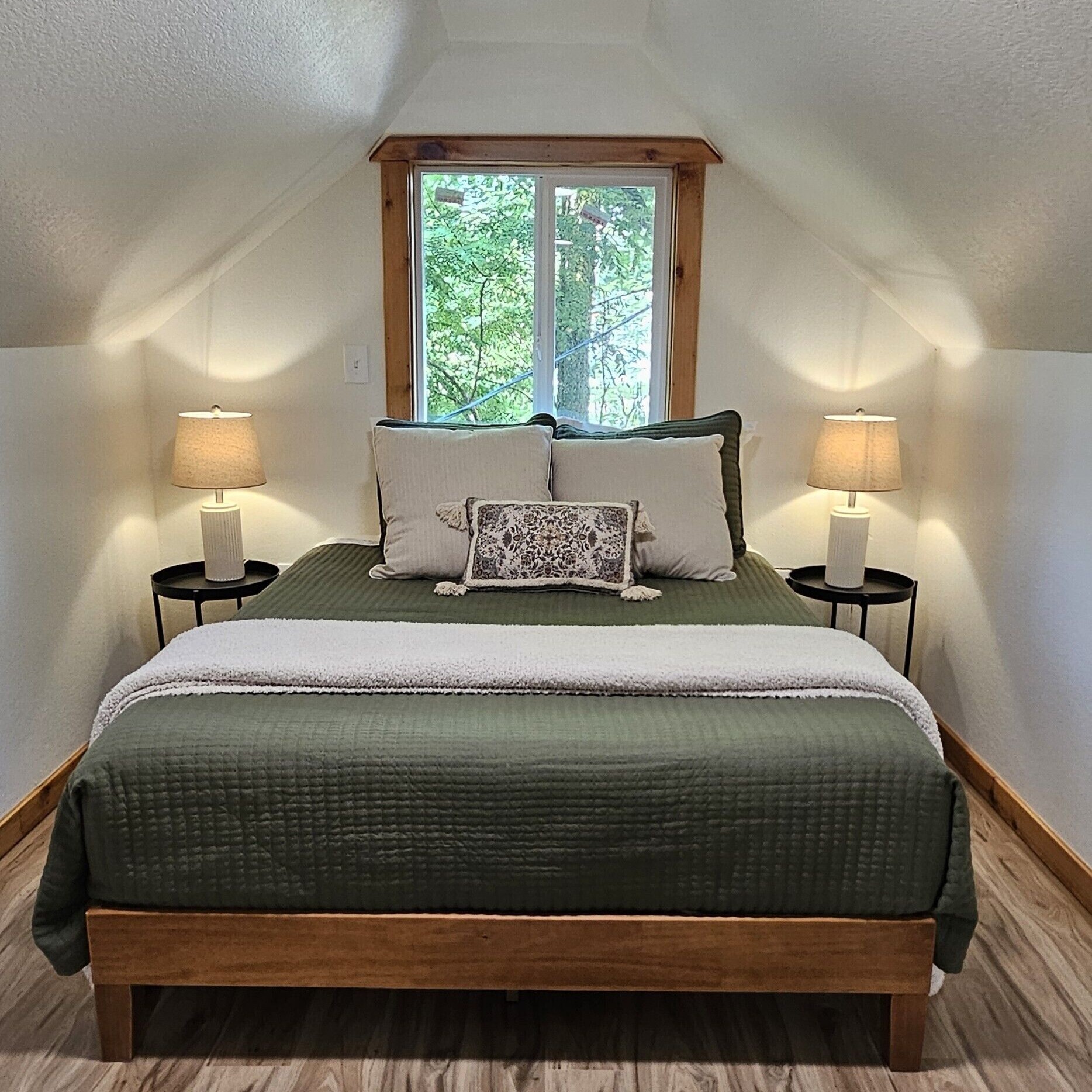
American Alps Cabin - Beach, Riverfront, EV charger, 2B/1Ba, North Cascade, Diablo
Smaller riverfront-style vacation rental marketed around beach access, EV charging, and North Cascades proximity.
Sleeps: 4 | Amenities: beach access, riverfront setting, EV charger
Best for: small groups who want a private stay with riverfront and outdoor positioning rather than a generic room.
Tradeoff: strong setting and amenities help it stand out, but it is still a smaller-format rental rather than a roomy group house.
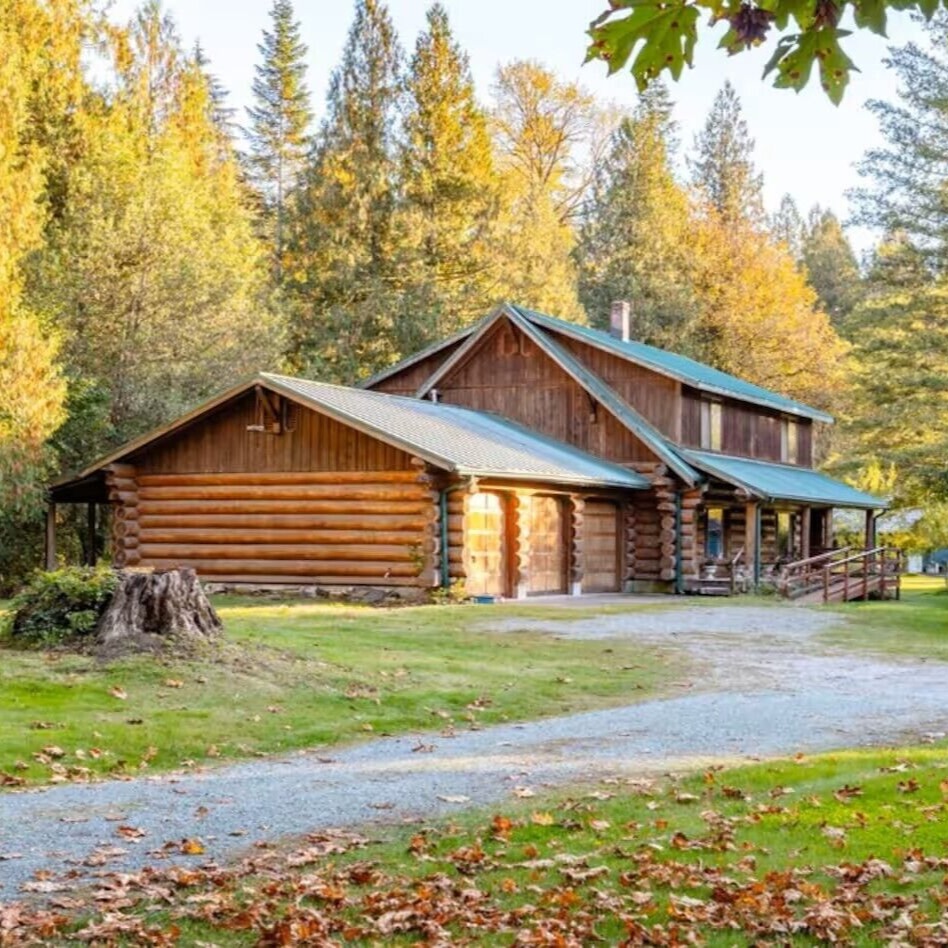
American Alps Lodge: Riverfront, Beach, Hot Tub, EV Charger, Game Room
Large Marblemount-area riverfront house built for bigger groups, with hot tub, EV charging, and game-room positioning.
Sleeps: 14 | Amenities: riverfront setting, beach access, hot tub, EV charger, game room
Best for: families or groups who want a full-property stay with room to spread out.
Tradeoff: the group-friendly setup is the draw, but the total price is much higher than smaller cabins or inns.
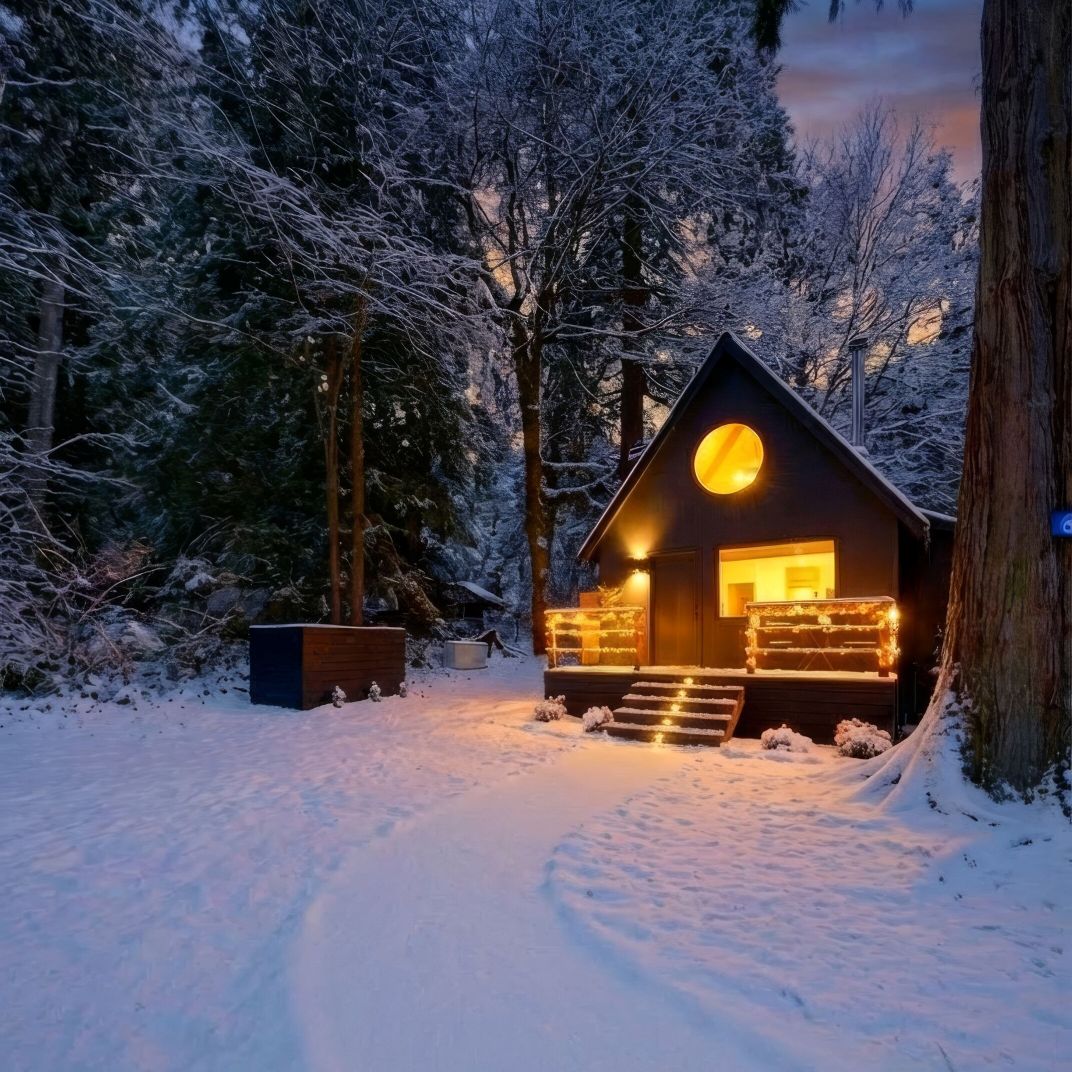
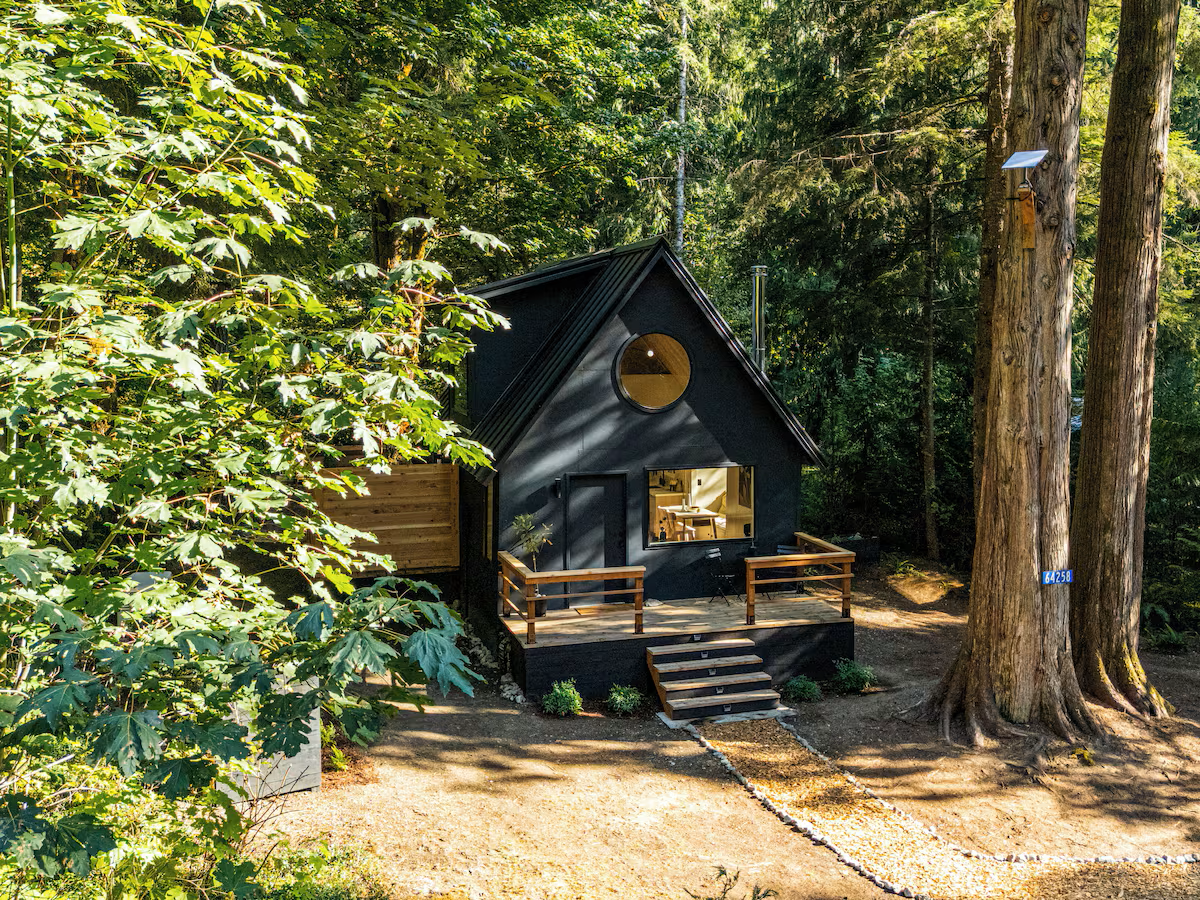
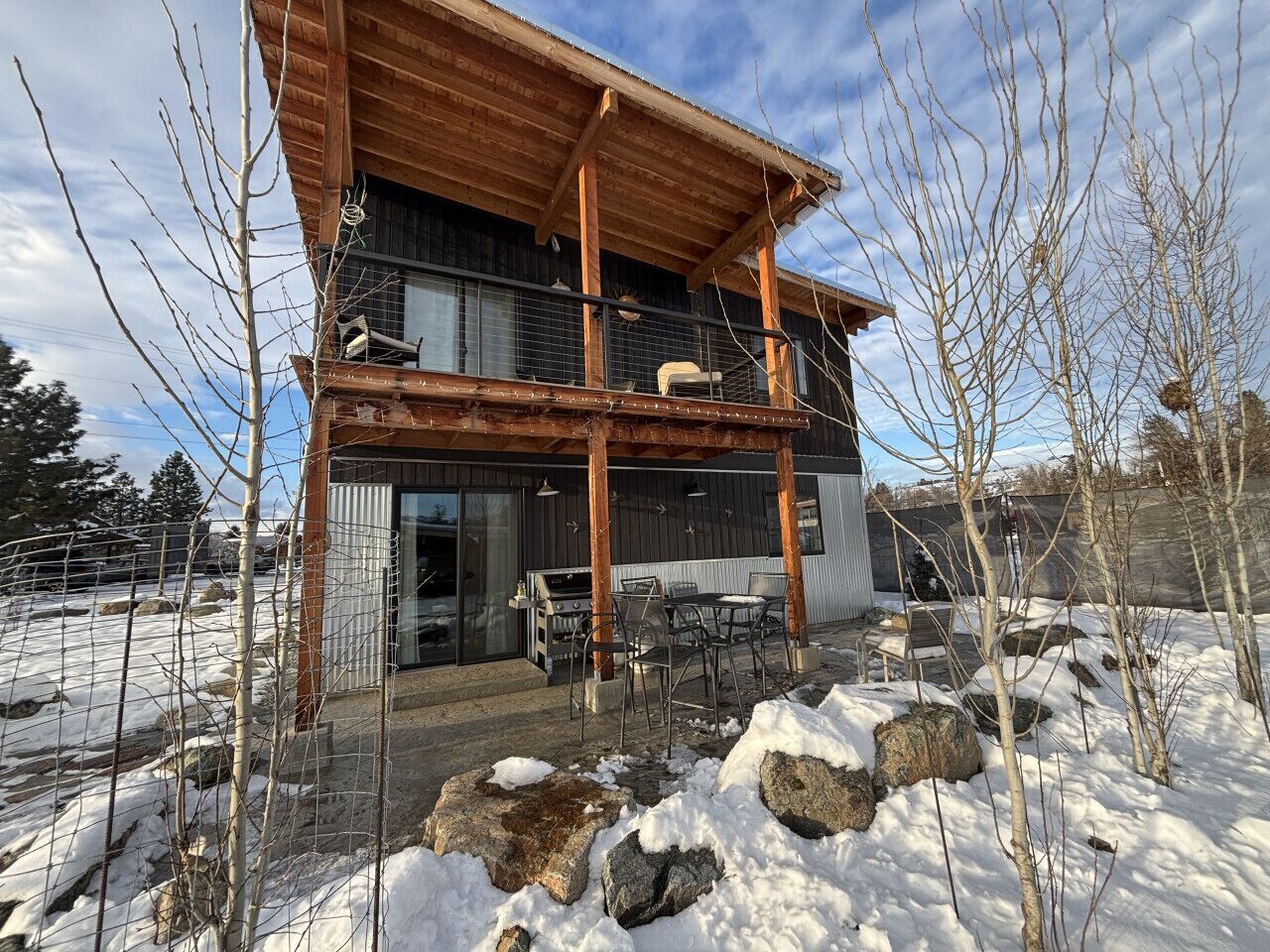
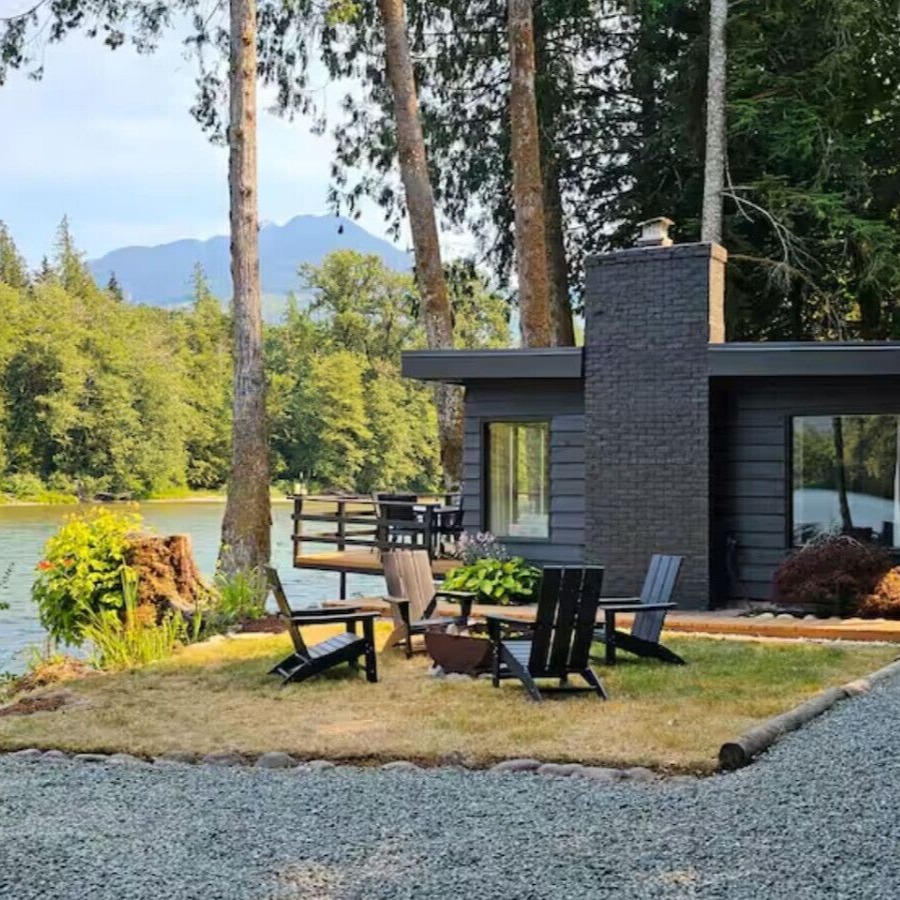
Hike/Fish in the Northern Cascades, stay in a designer luxe Scandi cabin
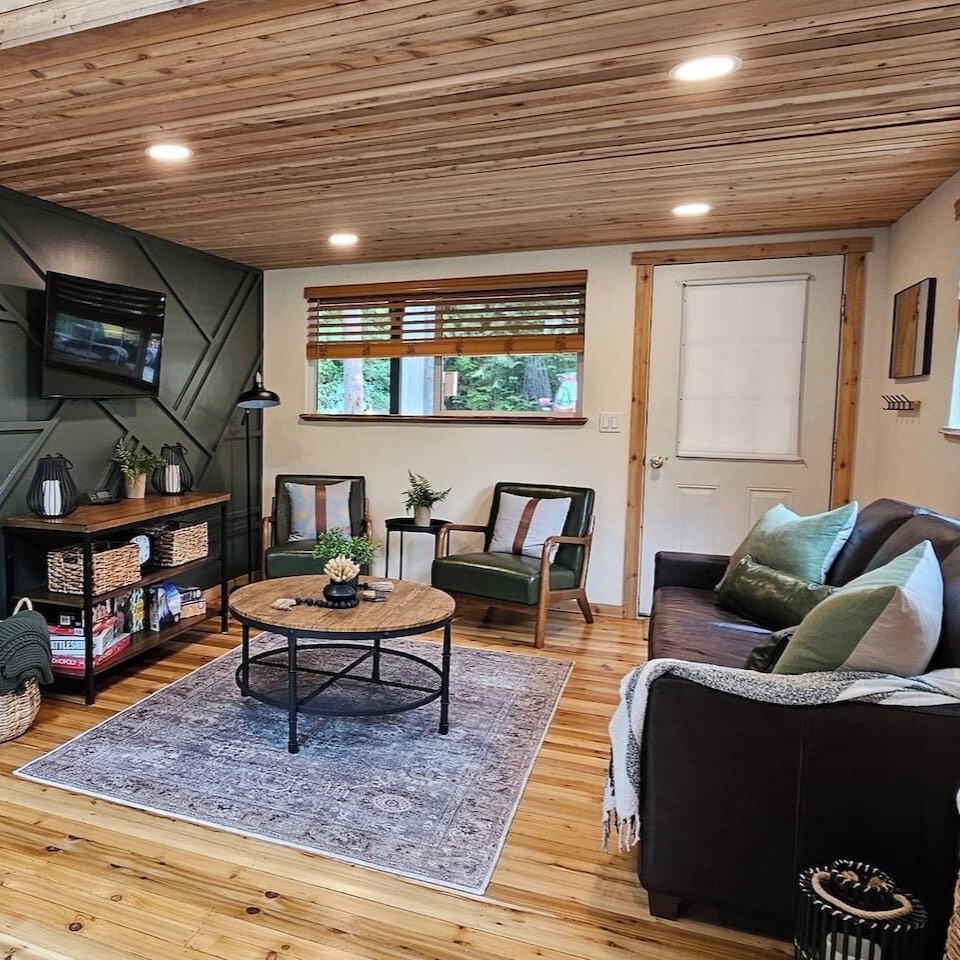
Design-forward Marblemount cabin that leans hard into Scandinavian aesthetic and private-cabin outdoor comfort.
Sleeps: 6 | Amenities: designer Scandi styling, private-cabin setup
Best for: couples or small groups who care about design and atmosphere as much as location.
Tradeoff: the styled, premium feel is the appeal, but it is less of a value play than basic corridor lodging.
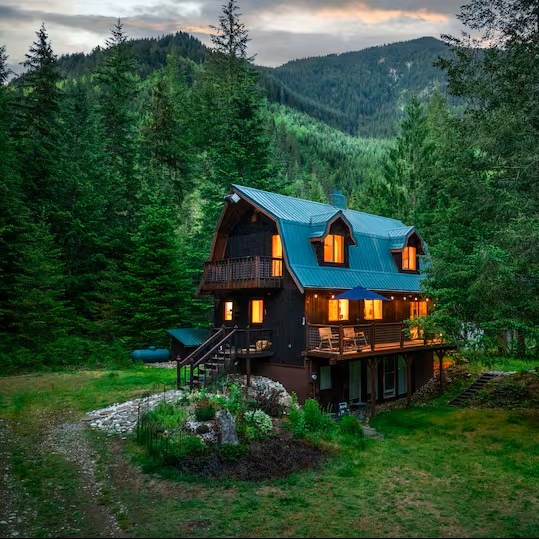
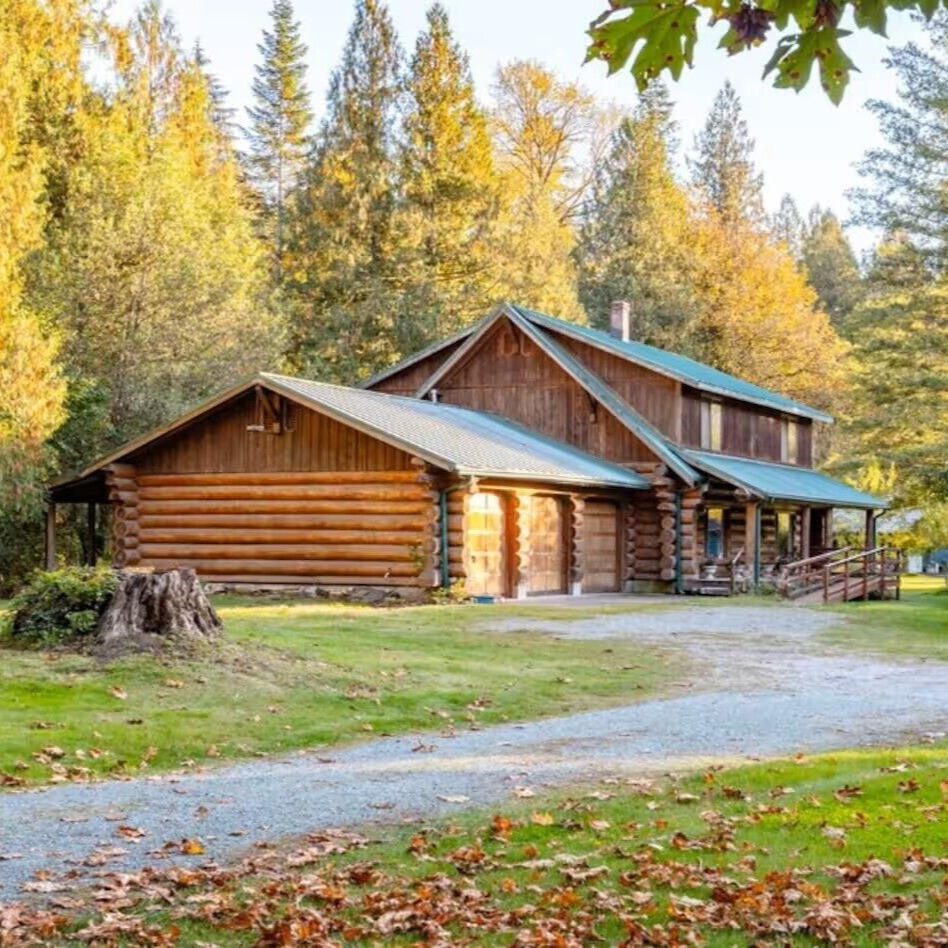
The Lookout
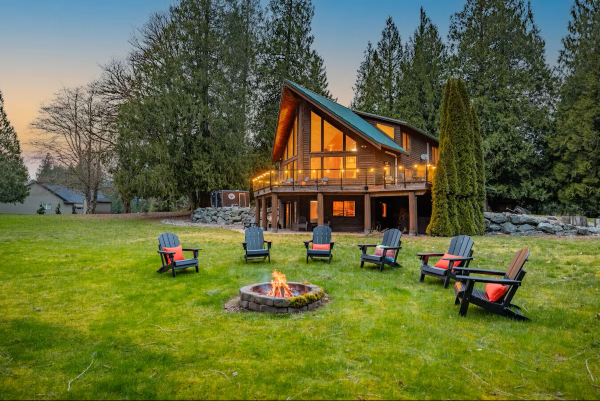
Large private forest retreat on 14 acres with walking trails, a creek, open yard, and multi-level layout for group stays.
Sleeps: 4 | Amenities: 14 acres, private walking trails, creek
Best for: bigger groups or travelers who want privacy, land, and a more secluded retreat feel than a standard cabin.
Tradeoff: it is more of an estate-style property than a simple small cabin, so it may be more house than needed for a basic couple’s trip.
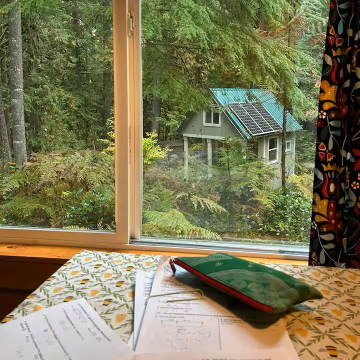
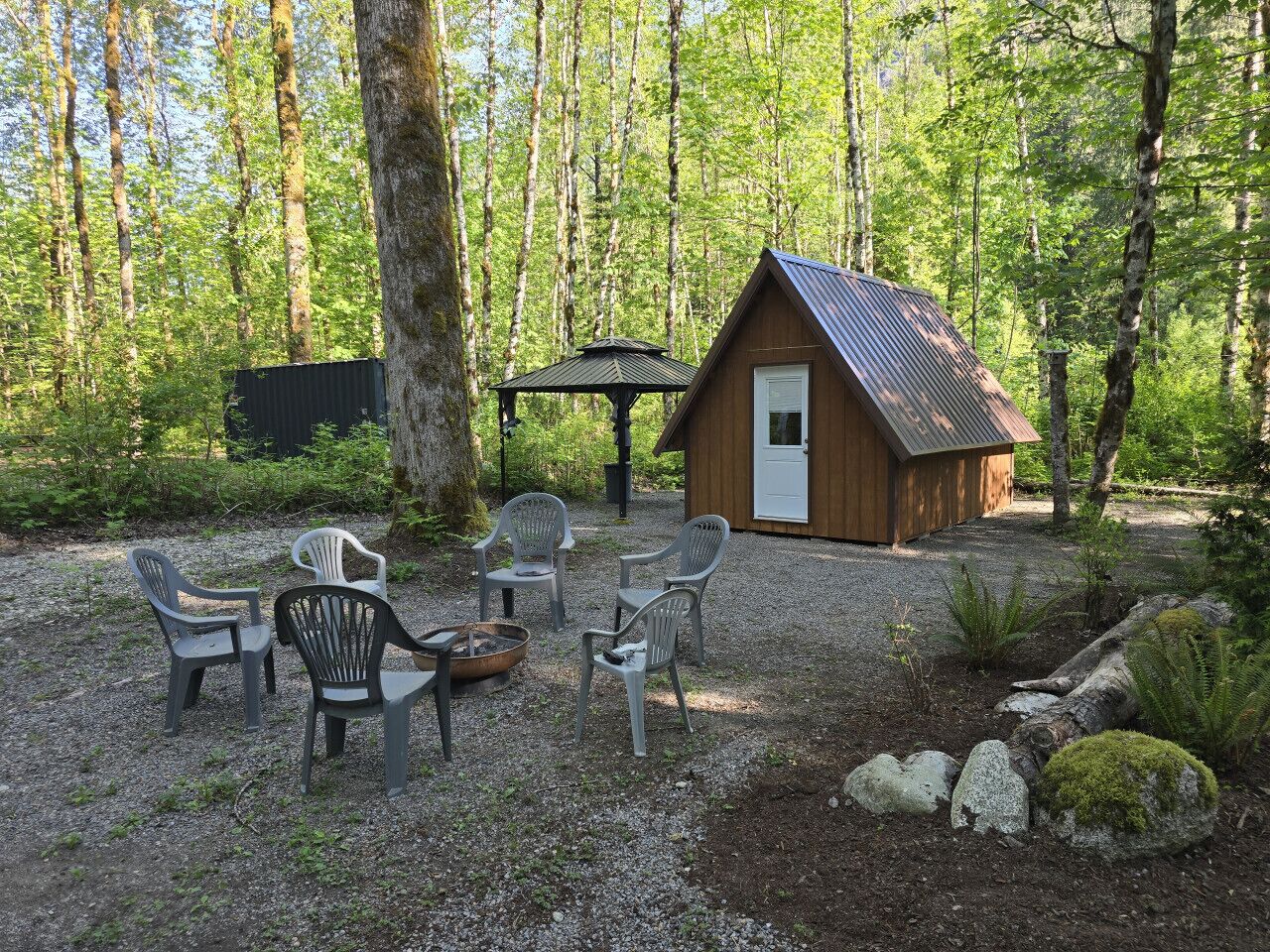
Two tiny cabins for North Cascades adventures
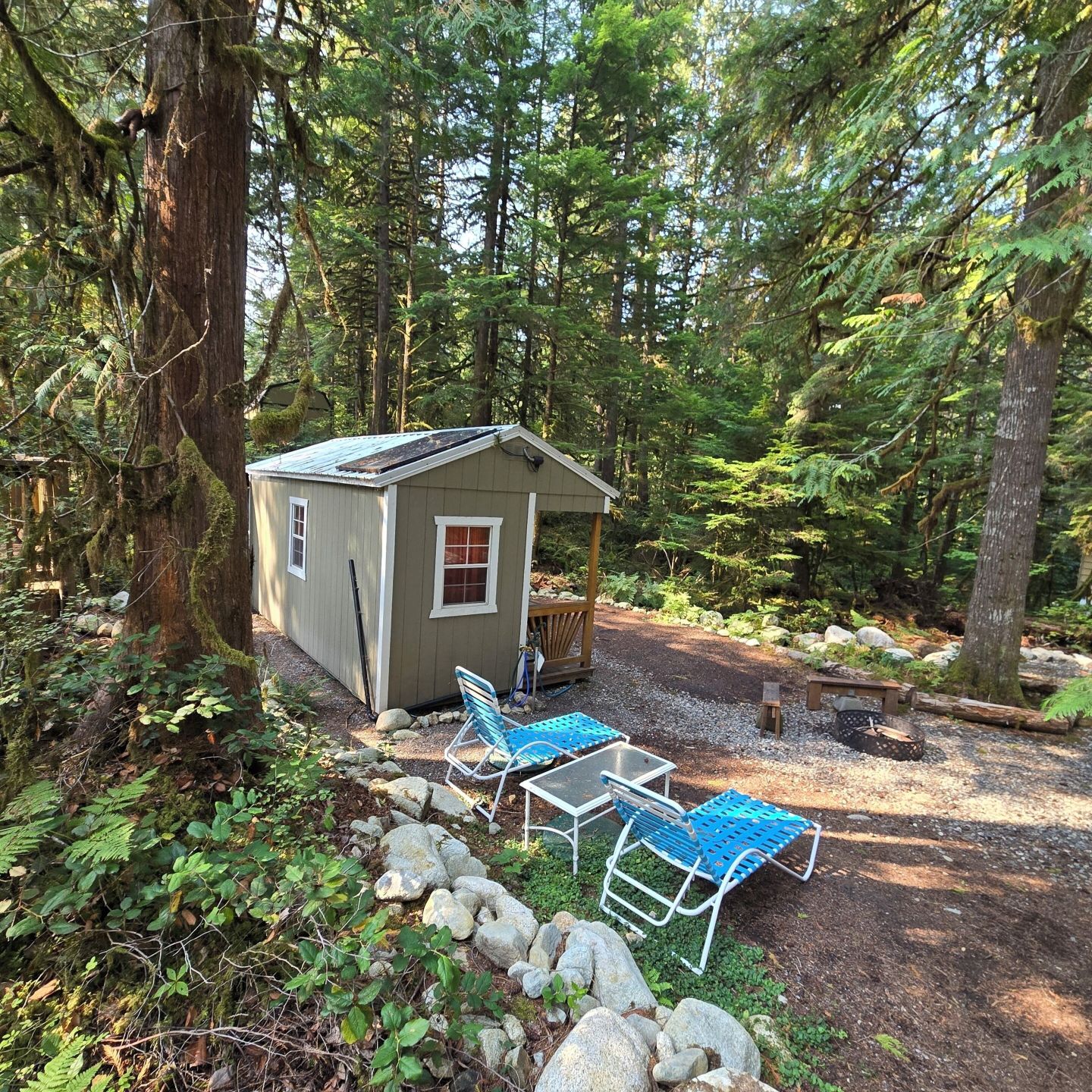
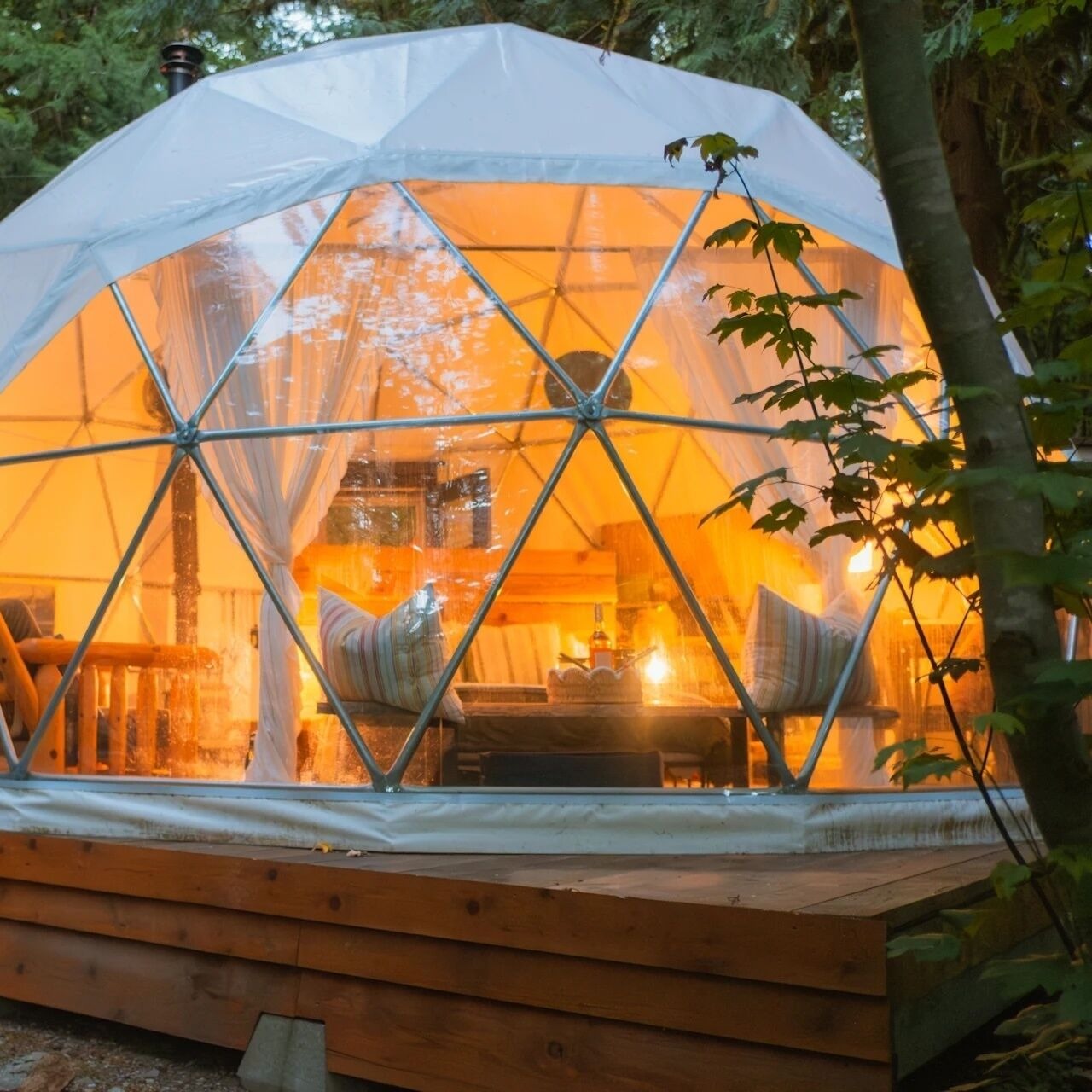
Glamping-style off-grid tiny-home setup with bunk sleeping, outdoor kitchen, hot shower, and bathroom in a separate building.
Sleeps: 6 | Amenities: outdoor kitchen, hot on-demand shower, separate bathroom building
Best for: travelers who want a camping feel without tents and who like the idea of a more creative, communal base camp setup.
Tradeoff: it is not a normal house stay - no wifi, bathroom is in another building, and the setup is more glamping/base-camp than private cabin luxury.
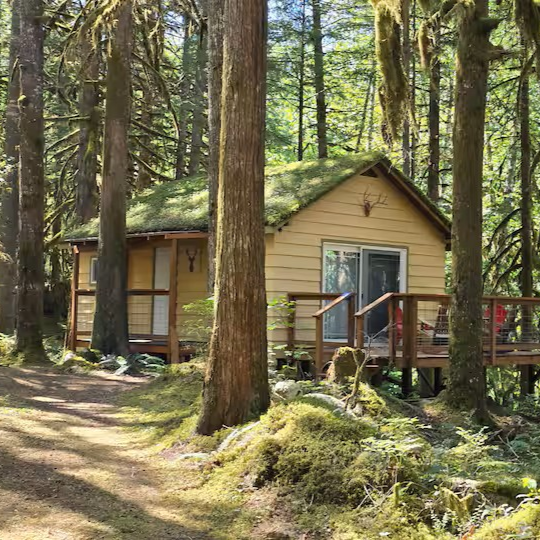
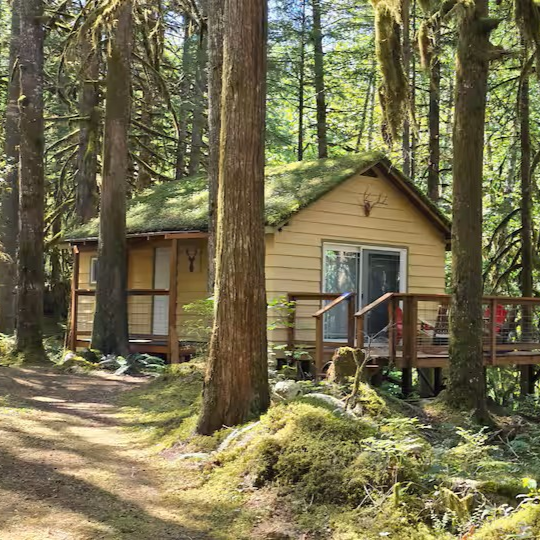
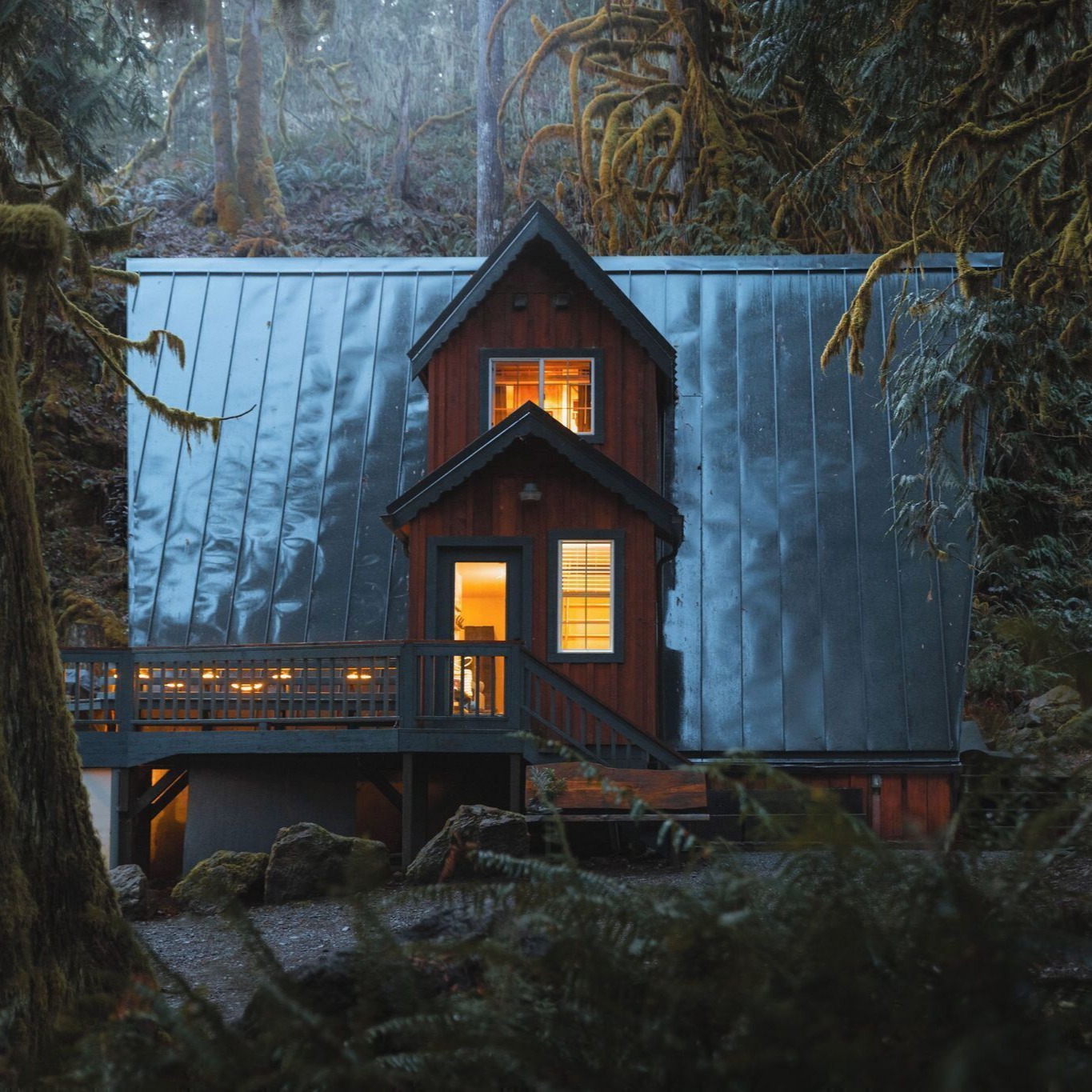
Moss Top Cabin
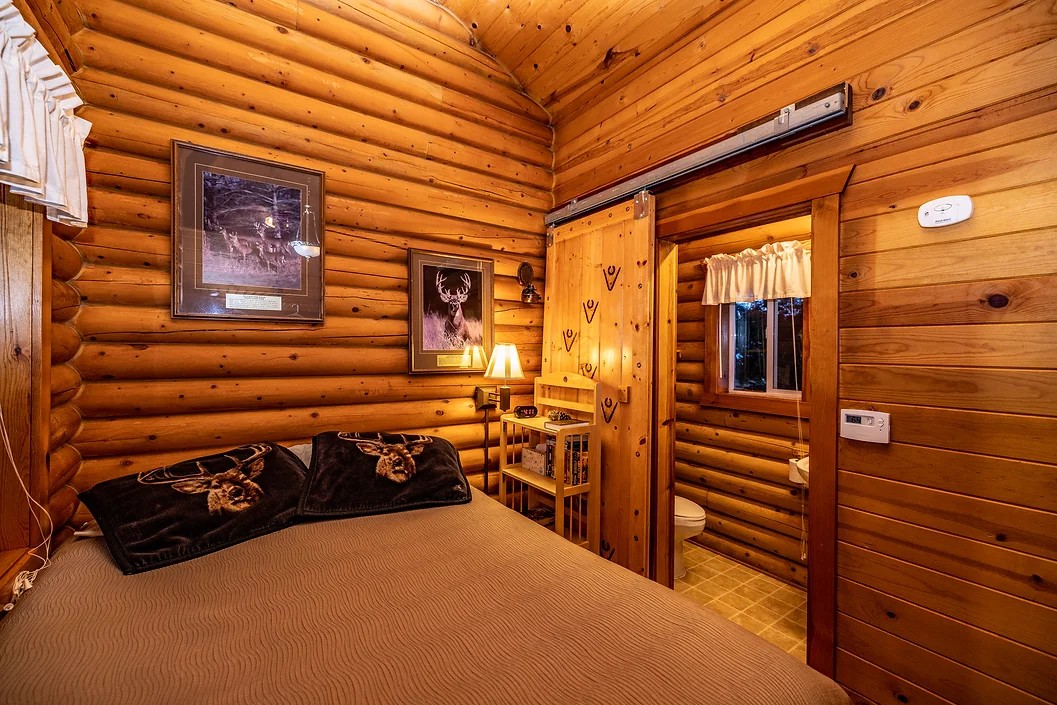
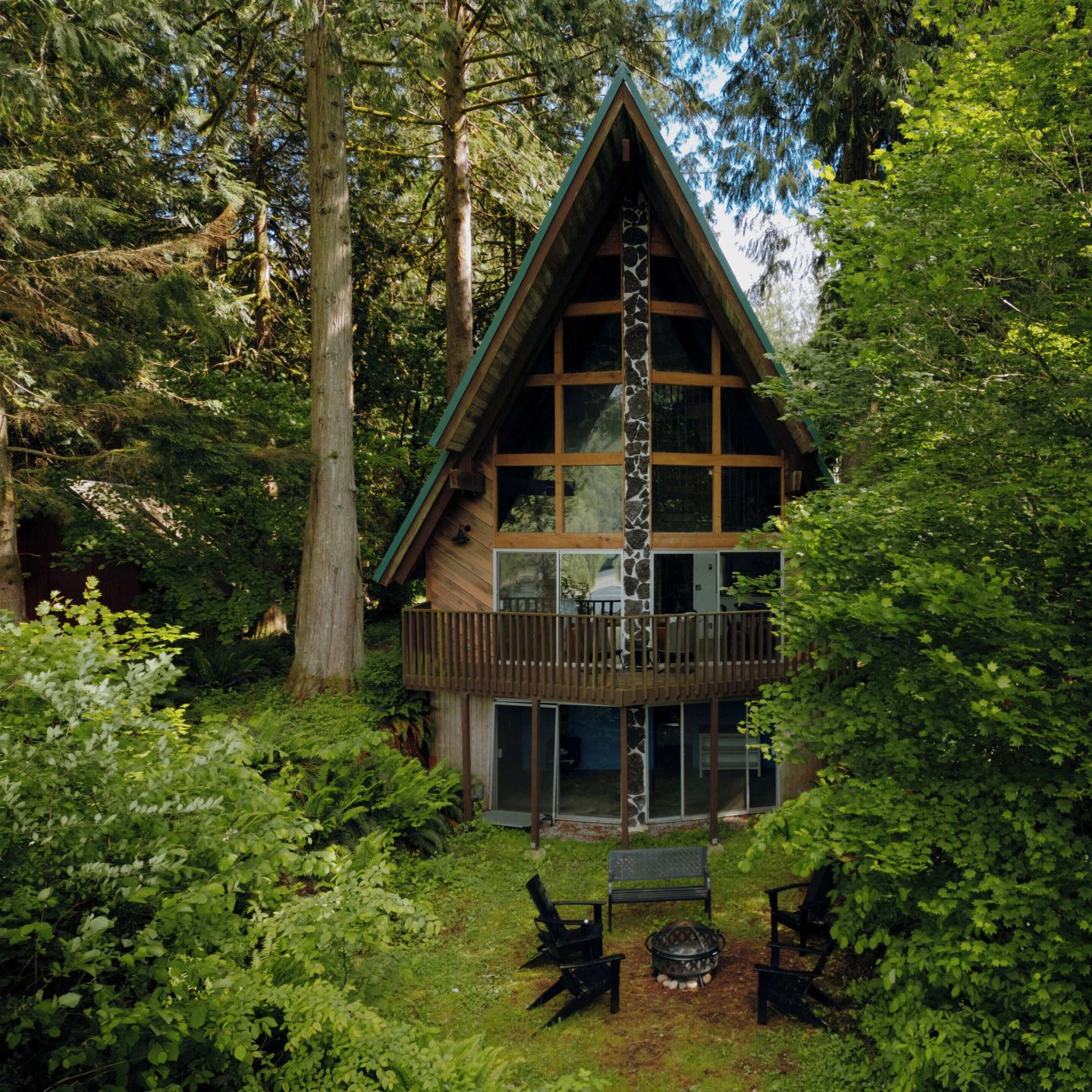
Small forest cabin with a live roof, enclosed deck, propane fire ring, and a strong rustic retreat feel.
Sleeps: 4 | Amenities: live roof, enclosed deck, propane fire ring
Best for: couples or solo travelers who want a genuinely rustic forest stay and are fine leaning into the off-grid experience.
Tradeoff: Electricity and cell service are limited. Drinking water needs to be boiled (or bring your own).
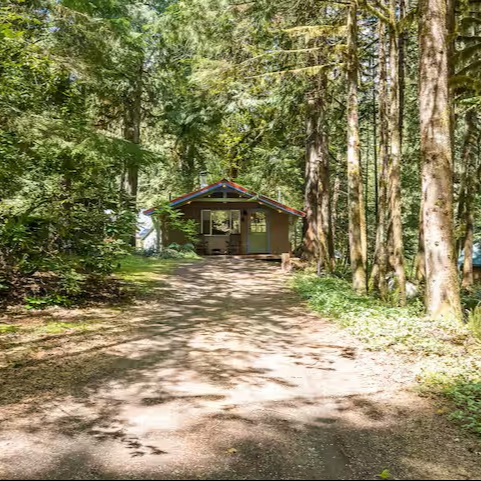
High Ridge Hideaway Cabin
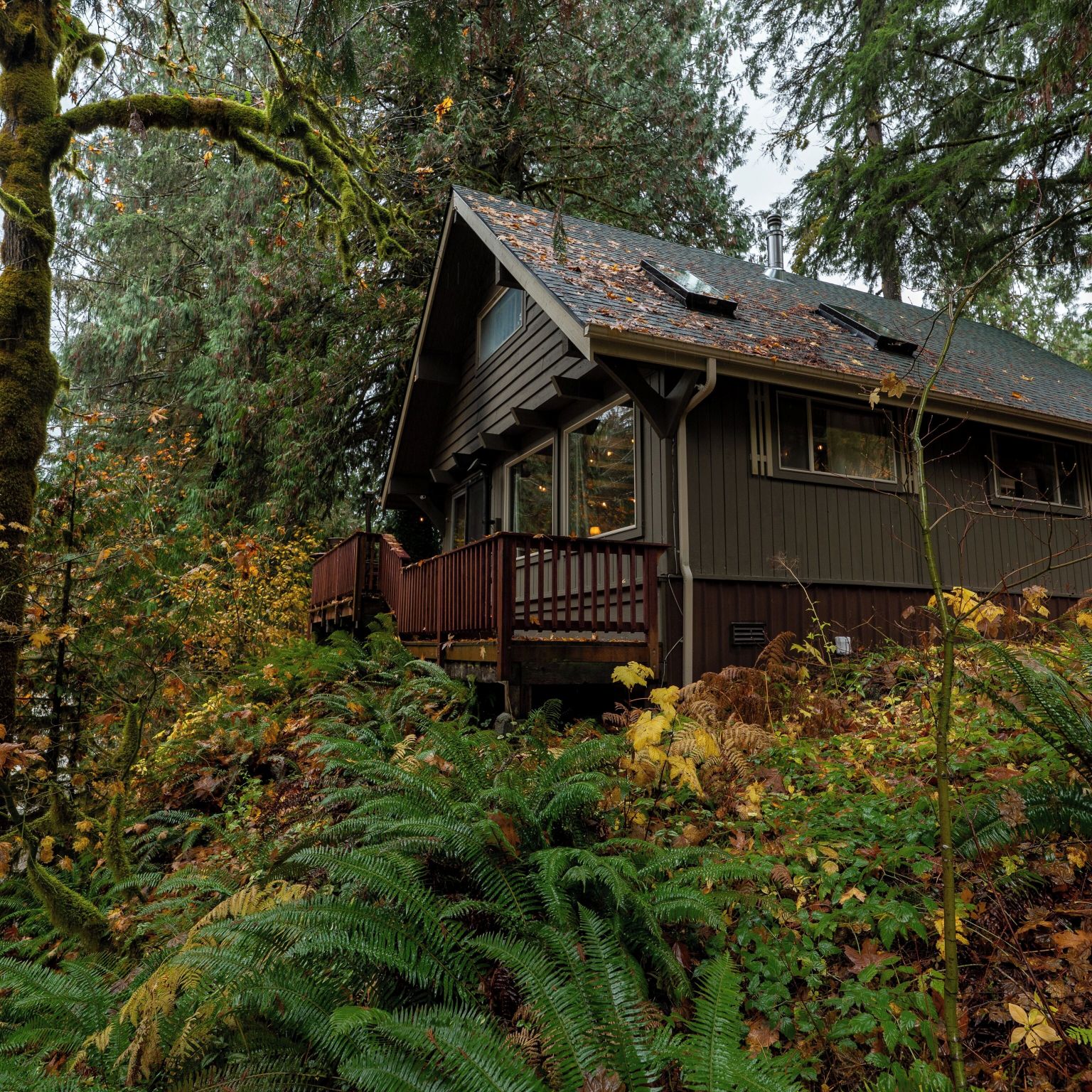
Cozy off-grid cedar-woods cabin near the park with a fireplace, Starlink, and enough modern function to stay connected if needed.
Sleeps: 2 | Amenities: Starlink internet, indoor fireplace, off-grid cabin setting
Best for: couples who want the off-grid cabin vibe without giving up internet, a real kitchen, and a comfortable indoor setup.
Tradeoff: it is still a small off-grid cabin and the power system means some standard appliances like a microwave and toaster are intentionally not included.
Bad Backup Plans
- Driving past Marblemount after dark with no confirmed place to sleep: Your options narrow quickly, cell service weakens, and the campground search becomes less forgiving.
- Treating dispersed camping as an easy fallback: Dispersed camping is not allowed in the park complex, and legal dispersed camping requires knowing the land manager, road conditions, fire rules, waste rules, and whether the site is actually appropriate.
- Assuming first-come means easy: First-come sites can exist, but they may fill early, require in-person claiming, or be limited to one night.
- Using Winthrop without changing the plan: Winthrop is useful for Washington Pass and the Methow. It is not the same as staying near Newhalem or Diablo Lake.
- Using Baker Lake as a casual overflow plan: Baker Lake is a real destination area, not a quick same-place substitute for the SR-20 park corridor.
- Assuming an RV or trailer will fit anywhere: Some public campgrounds are small, rustic, first-come, or better suited to tents and small rigs. Check length limits and site details before driving.
Plan A / Plan B
Plan A: Keep the West-Side North Cascades Trip
Stay in Marblemount, Rockport, Concrete, Burlington, or Mount Vernon. This keeps the trip oriented toward Newhalem, Gorge, Diablo Lake, Ross Lake, and Cascade River Road if access allows.
Good first-day choices from this side include Newhalem, the North Cascades Visitor Center area when open, Gorge and Diablo-area stops, Ross Lake access points, and lower-risk short walks or viewpoints. Do fewer stops if you start from Burlington or Mount Vernon.
Plan B: Shift to Washington Pass and the Methow
Stay in Winthrop or Mazama if your real goal is the high country around Washington Pass. This makes more sense for Blue Lake, Maple Pass, Cutthroat, Rainy Pass, and east-side fall trips.
The tradeoff is that Newhalem and Diablo Lake become less convenient. Check SR-20 before you build this plan, especially in spring, late fall, winter, or after storms.
Plan C: Stop Trying to Camp
If availability, weather, road access, darkness, or group comfort is becoming the problem, book lodging and salvage the trip around scenic stops, short walks, food, services, and a simpler next-day plan. A confirmed night is better than a technically cheaper but uncertain plan that fails after dark.
What to Check Before Committing
- Road access: Check WSDOT SR-20 and North Cascades road conditions before assuming a west-to-east through-drive works.
- Campground status: Check NPS, Recreation.gov, Washington State Parks, county park pages, or the relevant private campground before driving.
- Services: Confirm where you will get fuel, food, ice, firewood, and water before you pass the main service towns.
- Fire and smoke: Check restrictions and air quality before building a plan around public land camping, campfires, or exposed high-country stops.
- Check-in rules: If you are booking lodging, cabins, RV parks, or private campgrounds, confirm late-arrival instructions before you lose cell service.