What to Book Before a North Cascades Trip
Last updated: April 2026
Before driving Highway 20 through the North Cascades, book your overnight base first. Lodging, campgrounds, guided trips, rafting, and some boat-related plans can disappear before your hike list is even finished.
The biggest mistake is treating the North Cascades like a place where you can just show up and solve everything inside the park. Build the base first, then choose stops that fit your arrival time, road access, weather, and then make backup plans.
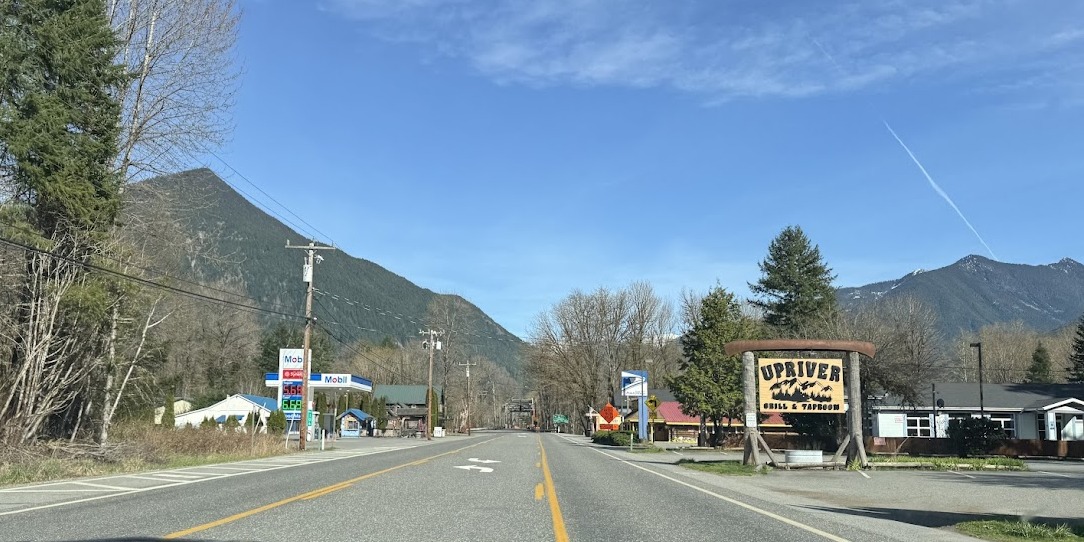
Photo: SR-20 entering Marblemount - © 2026 CascadesFieldGuide.com. All rights reserved.
Get North Cascades road, trail, and planning updates by email
Quick Decision Guide
If you only book one thing: book where you will sleep. Choose lodging, a cabin, private stay, RV park, or campground before fine-tuning hikes.
- Weekend trip: book lodging or camping first. Friday evening arrivals are the highest-risk plan if you do not already have a place to stay.
- Camping trip: check Recreation.gov before assuming a site will be available. A campground plan is not complete until you know whether the campground is open, reservable, or first-come.
- Family or comfort-focused trip: book lodging, a cabin, or a private campground before choosing hikes. Showers, food, and late check-in matter more than shaving a few minutes off a trailhead drive.
- Weather or road-risk trip: build a Plan B before you leave. Have a west-side plan near Marblemount or Newhalem and an east-side plan only if SR-20 is open across the passes.
Book first: lodging, campgrounds, private RV/camp sites, guided day trips, rafting, Ross Lake logistics, and backcountry permits.
Book next: self-guided audio tours, backup lodging (refundable), and any scheduled activity that would change the whole day if it sold out.
Check before leaving: SR-20 status, campground status, weather, trailhead pass needs, visitor center hours, and whether you have food, gas, ice, and firewood handled before heading east of Marblemount.
Decide day-of: exact viewpoints, short walks, picnic stops, and which hike fits the parking, weather, daylight, and your overnight base.
Book the Overnight Base First
The overnight base should come before the hike list. This is the part of the trip that can actually fail.
West side: Marblemount is the practical launch point before the park corridor. It works best if your plan includes Newhalem, Diablo Lake, Ross Lake overlooks, Cascade River Road, or an early start from the west side.
Marblemount is useful because it sits before the corridor gets thinner. It is not useful because it has unlimited lodging, restaurants, or supplies. Book early if you need a real bed, a cabin, or a predictable family base.
Before Marblemount: Concrete, Rockport, Sedro-Woolley, and Burlington give you more normal services. The tradeoff is that you start farther west, so early trailhead starts are harder.
After Newhalem: lodging becomes much more limited along the main SR-20 park corridor. Newhalem is helpful for information, campgrounds, short walks, and Skagit-area stops, but it is not a full-service resort town.
East side: Winthrop and Mazama make more sense if the trip is built around Washington Pass, Maple Pass, Blue Lake, or the east side of SR-20. The tradeoff is that this plan depends more heavily on the pass being open and useful for your route.
Tip: If you are arriving after work from Seattle, do not make your first night depend on finding a campsite after dark east of Marblemount. Book lodging, a private campground, or a known campsite before you leave home.
Campgrounds Need a Backup
North Cascades camping is not one single system. NPS campgrounds, national forest sites, private campgrounds, RV parks, and dispersed options all work differently.
NPS campgrounds: The main SR-20 park campgrounds include Newhalem Creek, Goodell Creek, Colonial Creek North, Colonial Creek South, and Gorge Lake. Drive-in campgrounds along SR-20 use Recreation.gov during reservation seasons, and some may operate first-come before or after those windows (NPS camping details).
A first-come campground is not the same as a reliable late-arrival plan. It may work on a quieter weekday. It is a weak plan for a Friday night or Saturday arrival in peak season.
Before Newhalem: Newhalem Creek and Goodell Creek are useful because they keep you close to the west-side park corridor without committing to the full drive east. They are still campgrounds, not backup hotels.
East of Diablo: Colonial Creek is better for travelers who want to be deeper in the SR-20 corridor near Diablo Lake. The tradeoff is that you are farther from Marblemount services if you forgot supplies.(Colonial Creek details).
Do not let a campsite reservation trick you into thinking the rest of the trip is solved. Some Recreation.gov campground pages note that showers, electrical hookups, firewood, ice, gas, and other services are not available in the park complex, with nearest services listed in Marblemount
Private campgrounds and RV parks: These are worth booking if you need showers, hookups, easier arrival, or a less fragile family plan. They are also the right backup when NPS campground reservations are gone.
Tours and Activities to Book Ahead
Book structured activities before you drive. The corridor is long, cell service is limited, and the best options are not something you should try to arrange from a pullout east of Newhalem.
Guided day trips from Seattle: These are best for visitors who do not want to rent a car, plan the route, or manage timing. The tradeoff is less flexibility once the day is set.
Self-guided audio tour: This is a good middle option for people driving themselves on SR-20. It adds structure without locking you into a group schedule. Download it before leaving strong service, especially if your route continues east of Marblemount or Newhalem.
Skagit River rafting: Book rafting ahead if it is a core part of the trip. The Upper Skagit is not a casual “decide when we get there” add-on, especially if your day already includes lodging check-in, campground setup, or a long SR-20 drive. Triad River Tours lists Upper Skagit rafting under a special use permit through North Cascades National Park (Triad rafting details).
Diablo Lake and Skagit Tours: These are scheduled experiences, not roadside stops. Seattle City Light presents Skagit Tours with North Cascades Institute, and availability can vary by season (Skagit Tours).
Ross Lake logistics: Ross Lake Resort has no direct road access. It is a hike-in or boat-access plan, not a normal roadside lodging stop. If your trip depends on Ross Lake lodging, water taxi, boat rental, or portage service, arrange that before you build the rest of the day (Ross Lake boating).
Passes, Permits, and Road Checks
North Cascades planning gets confusing because “no entrance fee” does not mean “no pass or permit anywhere.” Separate the park entrance, trailhead parking, campground booking, and backcountry camping.
Park entrance: There is no entrance fee for North Cascades National Park Service Complex (fees and passes).
Trailhead parking: Some nearby national forest trailheads and day-use sites require a recreation pass. The Discover Pass is for Washington state-managed lands and is not valid on national forest lands (forest passes).
Backcountry permits: If you are sleeping in the wilderness, handle permits early. Backcountry permits are required year-round, and reservation details run through the park and Recreation.gov process (wilderness permits). The Marblemount Ranger Station is open durign the summer for in-person permits.
SR-20 access: Check the road before leaving, especially if your plan depends on crossing Rainy Pass, Washington Pass, or reaching Winthrop from the west. WSDOT tracks North Cascades Highway opening and closure information (SR-20 history).
Cell service: Do not rely on mobile data once you are deep in the corridor. Park information notes that cellular data service is minimal and typically only available around Newhalem (basic information).
Tip: Download maps, reservation confirmations, audio tours, pass receipts, and backup lodging directions before you leave the west-side towns.
Food, Fuel, and Service Reality
Food and fuel are not the exciting part of the trip, but they are where many short North Cascades plans get sloppy.
Before Marblemount: Handle normal errands in Sedro-Woolley, Burlington, Concrete, or Rockport if you need a wider margin. This is the safer choice for groceries, dinner timing, fuel, and late-arrival flexibility.
At Marblemount: Treat Marblemount as the west-side checkpoint. This is where you should pause and ask: Do we have gas, food, water, ice, firewood if allowed, and a clear overnight plan?
After Newhalem: Do not assume the corridor will solve missing supplies. Newhalem is useful for information and access to nearby stops, but it is not a town where you can count on broad lodging, groceries, gas, and restaurant choices.
For campers: A campsite reservation does not include a supply plan. Bring what you need before heading east of Marblemount, especially if you are sleeping at Newhalem, Goodell Creek, Colonial Creek, or farther along SR-20.
For late arrivals: Eat before you get too deep into the corridor, or bring dinner. A tired Friday-night drive gets worse when the food plan is “we will figure it out later.”
Plan A and Plan B
Plan A: Your base is booked and SR-20 is open for your route
Choose hikes and stops that fit your sleeping location. If you are staying before or near Marblemount, build around Newhalem, Diablo Lake, Ross Lake overlooks, or Cascade River Road if conditions allow. If you are staying east near Mazama or Winthrop, build around Washington Pass, Maple Pass, Blue Lake, or east-side stops.
Plan B: Campgrounds are full
Shift to private campgrounds, RV parks, cabins, or lodging before you leave home. Do not drive east of Marblemount hoping every campground problem will fix itself.
Plan B: Weather changes
Drop the hike that depends on clear views or high-elevation conditions. Use shorter stops near Newhalem, Diablo Lake, Gorge Creek, or lower-elevation west-side options instead.
Plan B: SR-20 access changes
If the full west-to-east crossing is not workable, keep the trip on the side you can reach safely. A west-side trip can still use Marblemount, Newhalem, Rockport, and Concrete. An east-side plan can still use Winthrop, Mazama, and Washington Pass only if that side is accessible for your route.
Plan B: Parking fails
If the main trailhead is full, do not waste the day circling. Move to a planned second-choice stop. For popular Washington Pass hikes, that backup should already be chosen before you leave strong cell service.
Related Guides
This guide is for trip planning only. Road status, campground operations, tours, permits, weather, fire restrictions, and services can change. Check official sources before leaving, especially if your trip depends on SR-20 access, a specific campground, or a scheduled activity.